
Tools
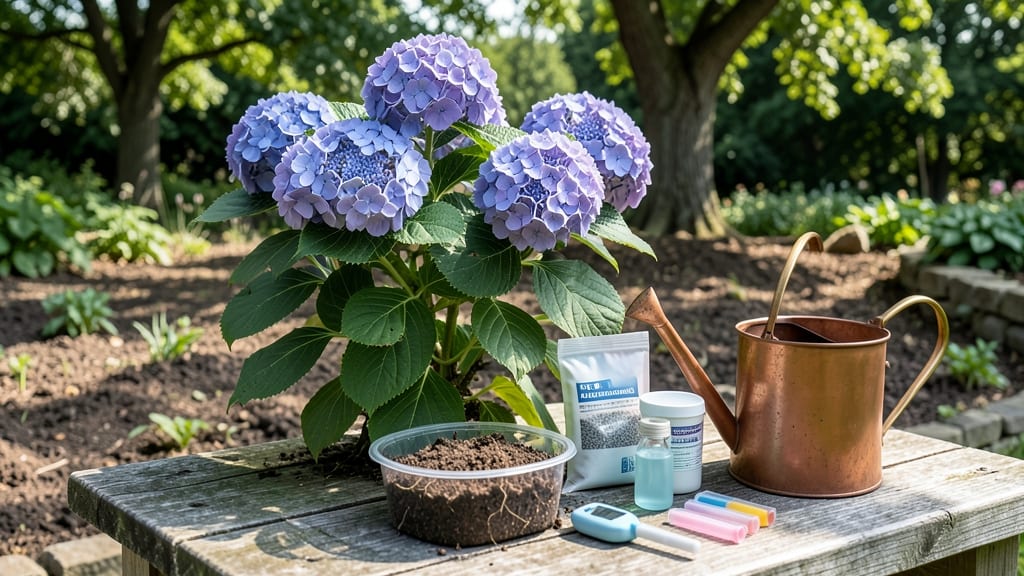
Soil pH in gardening determines how well plants absorb essential nutrients, with ideal ranges varying by crop type—most vegetables perform best in slightly acidic to neutral soil (6.0–7.0), while acid-loving plants like blueberries thrive in highly acidic conditions (4.5–5.5). Regular pH testing and amendments keep your garden flourishing.
Understanding soil pH is like tuning your garden's radio station—each plant has its own frequency for optimal growth. 🌱 For example, tomatoes and peppers need that neutral 6.0–7.0 range to access phosphorus and calcium, while rhododendrons and hydrangeas crave the lower end (4.5–5.5) to unlock iron and manganese.
The pH scale isn't just numbers; it's a balancing act that affects microbial life in the soil too—too high or low, and beneficial bacteria struggle to break down organic matter.
I always test my garden beds twice a year, especially after heavy rains or when I notice yellowing leaves (a classic sign of pH-related stress).
Simple soil tests from your local garden center make this easy, and amendments like lime (to raise pH) or sulfur (to lower it) can work wonders when applied correctly.
What's fascinating is how pH influences plant behavior beyond just nutrient uptake. For instance, blueberries won't produce fruit unless the soil stays acidic—this isn't just about nutrients, but about triggering the plant's natural flowering cycles.
Meanwhile, lawn grasses often struggle in alkaline soil (above 7.0), which locks out vital iron, causing that dreaded yellowing. The key is matching your plants' needs to your soil's current pH, then making gradual adjustments over time.
Most gardeners find that a little prevention (like adding compost annually) goes a long way toward maintaining that perfect balance.
💡 In This Article
- How Soil pH Impacts Nutrient Uptake and Plant Health
- Adjusting Soil pH for Different Garden Plants: Step-by-Step Guide
How soil pH impacts nutrient uptake and plant health
Soil pH acts like a gatekeeper for nutrients, determining which minerals become available to plant roots. At pH 6.0-7.0, most essential nutrients like phosphorus, calcium, and magnesium dissolve optimally in soil water.
But when pH drifts too high (alkaline) or low (acidic), nutrients either bind too tightly to soil particles or become soluble toxins. For example, iron becomes nearly inaccessible to plants in alkaline soil above 7.5, causing that telltale yellowing between leaf veins—what gardeners call chlorosis.
This happens because iron forms insoluble compounds at high pH, locking it away from roots.
The science gets even more interesting when you consider how pH affects microbial life. Beneficial bacteria and fungi that decompose organic matter thrive in slightly acidic to neutral conditions (6.0-7.0). These microbes release nutrients in forms plants can absorb, creating a symbiotic relationship.
In extreme pH conditions, microbial populations decline sharply, reducing nutrient cycling. For instance, mycorrhizal fungi—critical for phosphorus uptake—struggle in soil below 5.0 or above 8.0. The result? Plants starve even when nutrients appear abundant in soil tests.
What's fascinating is how plants respond physiologically to pH stress. Blueberries, for example, won't produce fruit unless soil stays acidic (4.5-5.5) because their flowering triggers depend on proper manganese availability. At higher pH, manganese becomes locked away, and the plant simply won't flower.
Meanwhile, tomatoes in alkaline soil may develop blossom-end rot—a calcium deficiency symptom—because calcium carbonate forms at high pH, making calcium less available despite being present in the soil. The plant's ability to uptake nutrients becomes a high-stakes balancing act.
Visual symptoms often reveal pH problems before soil tests do. In alkaline conditions, you might see stunted growth with purple stems (phosphorus deficiency) or weak stems that snap easily (calcium deficiency). Acidic soil can cause brown leaf edges (magnesium deficiency) or poor root development.
The key is recognizing these early warning signs—yellowing leaves aren't always about watering!—and knowing which nutrients become scarce at different pH levels. For instance, iron deficiency (chlorosis) is far more common in alkaline soils, while manganese toxicity can occur in highly acidic conditions.
Here's what happens at the molecular level: Nutrient availability follows a bell curve based on pH. For example, phosphorus peaks at 6.5-7.0 but becomes nearly undetectable to plants at 5.0 or 8.0.
Calcium follows a similar pattern, while iron and manganese become more available as pH drops below 6.0. This explains why acid-loving plants like azaleas and gardenias thrive in acidic soils—they've evolved to efficiently uptake iron and manganese that other plants can't access.
The pH scale isn't just numbers; it's a chemical puzzle that determines which nutrients become plant food and which remain locked away.
Most gardeners don't realize that pH affects more than just nutrients—it influences soil structure too. Acidic soils tend to have finer particles that compact easily, while alkaline soils often develop hardpan layers that restrict root growth.
The ideal pH creates a perfect storm: nutrients dissolve just enough to be accessible, microbial life thrives to recycle organic matter, and plant roots can explore the soil freely.
When you adjust pH, you're not just changing numbers—you're creating the perfect environment for your plants to flourish from the ground up. 🌱