
Tools
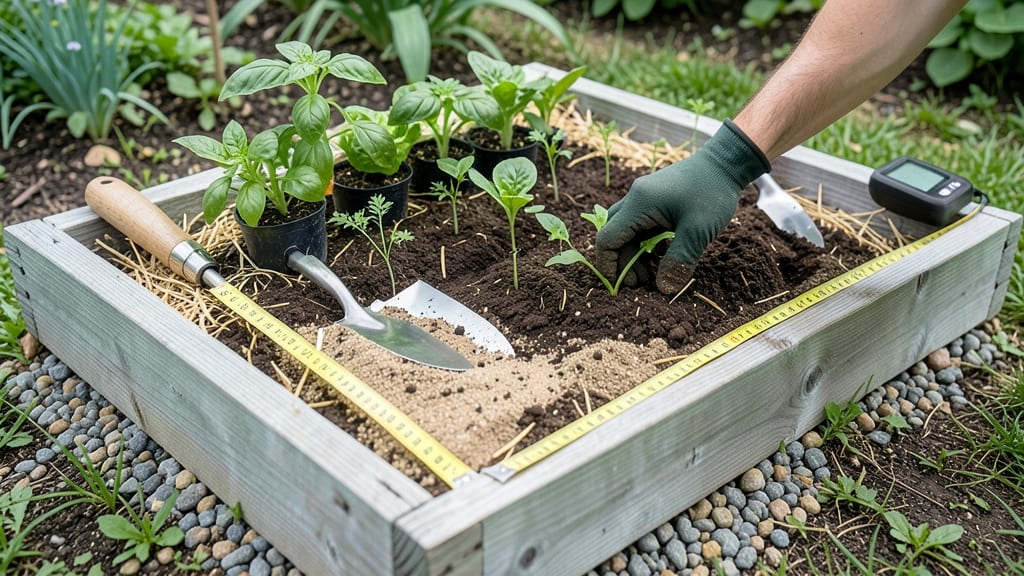
The right raised garden bed soil depth is the secret to stronger roots, better drainage, and bigger harvests—so don’t guess if you’re building or refreshing yours.
Struggling to decide how deep your raised garden bed should be? The right soil depth isn’t just about aesthetics—it’s the foundation for healthy roots, better drainage, and a thriving harvest. Get the science-backed answer to avoid costly mistakes.
Most plants need at least 6-12 inches of loose, fertile soil to grow well, but deeper beds (up to 18 inches) give heavy feeders like tomatoes or corn the room they need. Too shallow, and you’ll end up with stunted growth or poor drainage.
In this guide, I’ll break down the ideal depth for different plants, how to layer your soil for maximum nutrients, and common mistakes that ruin your bed before the first seed goes in.
Ideal raised garden bed soil depth: science-backed guidelines for root growth
When building a raised garden bed, the soil depth isn’t just about filling space—it’s about creating a thriving ecosystem for your plants. Research shows that a minimum 6-12 inch soil depth is essential for most vegetables, herbs, and flowers.
This depth provides enough room for root expansion, prevents soil compaction, and ensures proper drainage. Without adequate depth, roots become crowded, leading to stunted growth and poor nutrient uptake.
Think of your raised bed like a layered cake: each layer—from the topsoil to the bottom drainage layer—plays a critical role. The top 6 inches are where most roots thrive, while the additional 6-12 inches allow for deeper-rooted plants like tomatoes or carrots.
Without this depth, you risk root binding, where roots circle the bed’s edges in search of nutrients, weakening the plant’s stability.
Here’s the science: roots need oxygen, water, and nutrients to grow. A 12-inch depth ensures roots can explore beyond the surface, accessing moisture and nutrients deeper in the soil profile. This is especially critical in drought-prone areas or during hot summers when surface soil dries out quickly.
Shallow beds also compact faster, reducing porosity and making it harder for roots to penetrate.
For example, carrots and potatoes need at least 12 inches of loose soil to grow straight and avoid forking. Even shallow-rooted herbs like basil or thyme benefit from deeper beds because they develop stronger root systems when not competing for space.
The extra depth also helps regulate soil temperature, keeping roots cooler in summer and warmer in winter.
If you’re growing deep-rooted plants like asparagus or artichokes, consider extending your bed to 18-24 inches. These plants need years to establish, and shallow beds will leave them struggling.
For most home gardens, however, a 12-inch depth strikes the perfect balance between practicality and performance. It’s deep enough for the majority of vegetables while keeping construction manageable.
Another key factor is soil composition. A mix of topsoil, compost, and perlite creates an ideal loose, airy medium. Avoid filling your bed with pure garden soil—it compacts easily and lacks the organic matter needed for root growth.
Instead, layer 2-3 inches of compost at the bottom, followed by a 6-inch layer of topsoil, and top with another 4 inches of finished compost. This “lasagna method” mimics natural soil layers and encourages root penetration.
Proper drainage is non-negotiable. Without it, roots suffocate and diseases like root rot take hold. Always include a 1-2 inch drainage layer at the bottom using gravel, coarse sand, or broken pottery pieces.
This layer prevents waterlogging while allowing excess moisture to escape. Test your bed’s drainage by filling it with water—if it drains within 30 minutes, you’re good to go.
Finally, remember that soil depth isn’t static. As you harvest crops, the soil settles and compacts over time. Plan for 1-2 extra inches of settling to ensure long-term success. Top-dress with fresh compost annually to replenish nutrients and maintain loose, fertile soil.
With the right depth and care, your raised bed will become a powerhouse for bigger yields and healthier plants.
Ready to dig deeper? Start by measuring your bed’s current depth—if it’s under 6 inches, it’s time to rebuild. Your plants (and your harvest) will thank you for the extra space to thrive! 🌱
How to adjust soil depth for different plants: a root-zone guide
Not all plants need the same soil depth in your raised garden bed. While the standard 6-12 inch depth works for most vegetables, some plants—like corn or squash—thrive with deeper root zones.
Understanding these differences helps you customize your bed for maximum growth and yield. Let’s break down how to adjust soil depth for different plant types without overcomplicating the process.
Start by assessing your plants’ root systems. Shallow-rooted herbs like basil or thyme only need 6-8 inches of soil, while deep-rooted vegetables such as tomatoes or carrots require 12-18 inches.
For flowers, most perennials benefit from 12+ inches of soil to establish strong root systems. The key is balancing depth with drainage and nutrient availability.
📌 Numbered Highlights: Adjusting Soil Depth for Different Plants
- For herbs and greens, maintain 6-8 inches of soil with added compost for nutrients.
- Extend depth to 12-18 inches for tomatoes, peppers, and carrots to support deep roots.
- Add sand or perlite to the bottom layer for heavy clay soils to improve drainage.
- For corn or squash, aim for 18-24 inches of soil depth to accommodate large root systems.
- Layer compost and topsoil in 4-inch increments to create a nutrient-rich profile for all plants.
Layering is your secret weapon for adjusting soil depth without digging deep. Start with a 2-inch layer of coarse sand or gravel at the bottom to improve drainage, especially if your soil is heavy or compacted.
Next, add a 4-inch layer of compost to boost nutrients, followed by a 6-inch layer of topsoil. This method ensures your plants get both the depth and nutrients they need while preventing waterlogging.
Don’t forget about mulching—a 2-3 inch layer of organic mulch on top helps retain moisture and regulate soil temperature. For deep-rooted plants, consider adding a 6-inch layer of well-rotted manure mixed into the soil to provide long-term nutrients.
This approach mimics natural soil profiles and gives your plants the best chance to thrive.
If you’re unsure about your plants’ root depths, check the seed packet or plant tag for recommendations. For example, radishes only need 6 inches of soil, while asparagus requires 12-18 inches to establish properly.
Adjusting your raised bed’s depth based on these guidelines ensures you’re not wasting space or resources on plants that don’t need it.
Finally, monitor your plants’ growth and adjust as needed. Yellowing leaves or stunted growth may signal insufficient root space or poor drainage. In these cases, consider adding more compost or amending the soil with organic matter to improve its structure.
With the right soil depth, your raised garden bed will become a powerhouse for healthy, productive plants. 🌱