
Planting
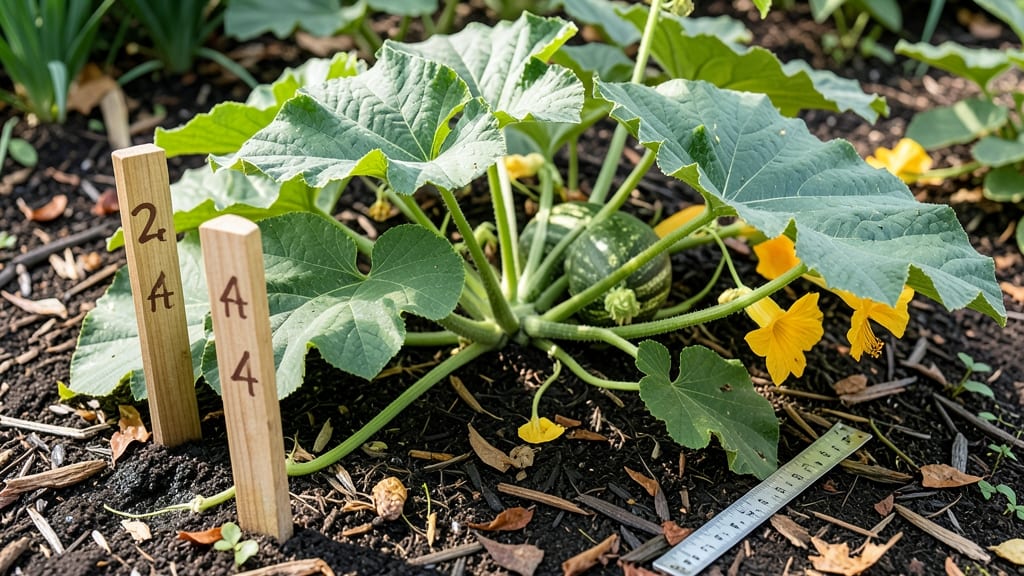
Proper squash spacing in garden makes the difference between a chaotic jungle of vines and a thriving, high-yield harvest 🎃.
Struggling to fit squash into your garden without sacrificing yield? Proper spacing and vertical trellising can transform your compact plot into a high-output squash haven—while keeping plants healthy and pests at bay.
If you’ve ever watched summer squash sprawl uncontrollably or winter squash compete for sunlight, you know how quickly things go wrong. The right spacing prevents disease, improves airflow, and ensures every plant gets the resources it needs to produce.
Below, I’ll break down the exact spacing rules for different squash varieties, how to train them vertically for space-saving growth, and the common mistakes that kill yields—so you can maximize every square foot of your garden.
Optimal squash spacing guidelines by variety for maximum yield
Getting the right squash spacing in your garden isn't just about fitting more plants—it's about ensuring each variety thrives. Crowded squash plants compete for nutrients, leading to poor fruit development and increased disease risk. Meanwhile, proper spacing improves airflow, which is critical for preventing fungal issues like powdery mildew.
Whether you're growing summer squash like zucchini or winter squash like butternut, understanding your plant's mature size and growth habit will make all the difference.
Squash plants fall into two main categories: bush types (compact and rounded) and vining types (sprawling and long). Bush varieties, like bush zucchini or bush acorn squash, stay contained within a few feet, making them ideal for small gardens or containers.
Vining types, such as spaghetti squash or hubbard squash, can spread 10 feet or more, requiring ample space or vertical support. Even within these categories, spacing needs vary by variety—so let's break it down to maximize your harvest.
Proper spacing isn't just about yield—it directly impacts plant health. When squash vines are too close, humidity lingers, creating the perfect conditions for powdery mildew and downy mildew. Overcrowded plants also struggle to develop strong stems, leading to fruit rot when heavy squash ripen. On the flip side, giving plants enough room encourages robust growth, stronger stems, and higher-quality fruit. For example, a zucchini plant with 2 feet of space will produce larger, healthier squash than one crammed into a 1-foot radius.
| Variety Type | Spacing (inches) | Rows Spacing (feet) | Notes |
|---|---|---|---|
| Bush Summer Squash (e.g., zucchini, yellow crookneck) | 18-24" | 3-4' | Compact, high-yielding; harvest frequently to encourage production. |
| Bush Winter Squash (e.g., acorn, delicata) | 24-36" | 4-5' | Larger fruit; needs more space for vine development. |
| Vining Summer Squash (e.g., straightneck, pattypan) | 36-48" | 5-6' | Use trellises to save space; prune vines to control spread. |
| Vining Winter Squash (e.g., butternut, spaghetti, hubbard) | 48-72" | 6-8' | Large vines; ideal for trellising or hill planting. |
| Container-Grown Squash (e.g., bush zucchini) | 12-18" | N/A | Use 5-gallon containers; prune aggressively to limit vine growth. |
For bush squash varieties, like bush zucchini or bush acorn squash, aim for 18-36 inches of space between plants. These compact varieties are perfect for small gardens or urban plots where space is limited.
Place them in a grid pattern with 3-5 feet between rows to ensure adequate airflow. If you're growing bush summer squash, like zucchini, you can get away with slightly tighter spacing (18-24 inches) because they produce smaller fruit and have a shorter growing season.
When it comes to vining squash varieties, such as butternut squash or spaghetti squash, you'll need to give them more room to sprawl. These varieties can spread 10 feet or more, so plan for 3-6 feet of spacing between plants.
If your garden is small, consider using vertical trellises to guide the vines upward, saving valuable ground space. For example, butternut squash can thrive with 48 inches of spacing when trained on a trellis, while hubbard squash may need up to 72 inches if left to vine freely.
One of the biggest mistakes gardeners make is assuming all squash varieties have the same spacing needs. For instance, zucchini and yellow crookneck squash (both summer squash) can be planted closer together (18-24 inches), but butternut squash or hubbard squash require significantly more space.
If you're growing multiple varieties, group them by their spacing needs to avoid overcrowding. For example, plant all your bush
How vertical trellising saves space and boosts squash growth
Tight on garden space but dreaming of a bountiful squash harvest? Vertical trellising is your secret weapon—transforming sprawling vines into upward-growing powerhouses. By training squash varieties to climb, you’ll save 70%+ of garden space while improving airflow, reducing disease, and even increasing fruit quality.
Plus, trellised squash stays cleaner and easier to harvest!
Not all squash varieties play well with trellises, though. Vining types like zucchini and spaghetti squash thrive vertically, while bush varieties like pattypan may struggle. I’ll walk you through the best materials, setup steps, and pruning tricks to maximize your yield without sacrificing plant health.
Step-by-Step Vertical Trellis Setup for Squash
- 1 Choose the right trellis: Use 6-foot tall T-posts with gallon-sized mesh bags or wooden lattice panels for support. For heavy winter squash, opt for sturdy metal cages or bamboo stakes.
- 2 Plant seeds near trellis: Sow seeds 6-12 inches from the trellis base, ensuring 2-3 plants per trellis for adequate support. Use compost-rich soil to encourage strong root growth early on.
- 3 Train vines upward: Once vines reach 12 inches tall, gently weave them through trellis openings. Use soft plant ties or old fabric strips to secure stems without damaging them.
- 4 Prune for airflow: Remove side shoots that grow below the trellis to improve circulation and sunlight. Focus on keeping 2-3 main vines per plant for optimal fruit production.
- 5 Support heavy fruit: Use small slings or mesh pockets to hold winter squash like butternut or acorn. This prevents vines from snapping under weight.
- 6 Harvest strategically: Pick summer squash every 2-3 days to encourage more production. For winter squash, let fruits mature fully on the vine before harvesting.
Pro tip: Water at the base of trellised squash to avoid damaging vines or washing away loose soil. A drip irrigation system works wonders for keeping plants consistently moist without overhead spray. I’ve found that trellised squash also ripen faster because they receive unobstructed sunlight from all angles.
If you’re growing heirloom varieties like Delaware Blue Hubbard, expect even more dramatic results—these squash can weigh 20+ pounds when trellised properly! Just remember to reinforce trellises as vines thicken, especially during peak growing months (June-August).
With vertical trellising, your squash won’t just save space—they’ll thrive in ways you never imagined. Try it this season and watch your compact garden become a high-yielding squash paradise! 🎃