
Tools
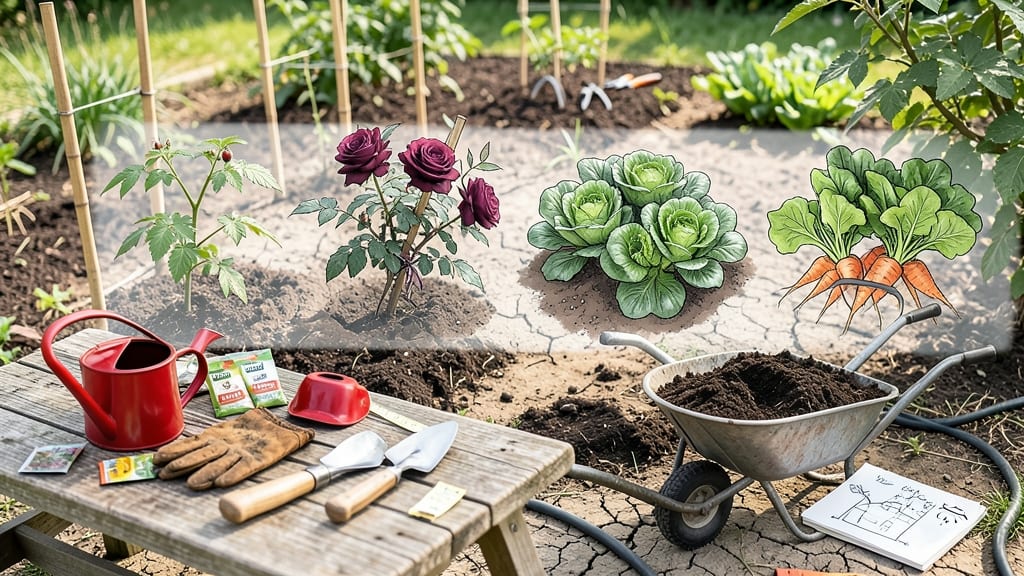
Gardening steps that turn your patch of dirt into a thriving garden start with a few simple choices—soil, sunlight, and timing—that make all the difference.
Transforming your backyard—or even a small balcony—into a thriving garden doesn’t require a green thumb, just a strategic plan. Whether you’re growing veggies, herbs, or flowers, the right steps save time, money, and frustration while keeping your plants happy and healthy.
From testing your soil to picking the perfect spot, I’ll walk you through the essential gardening steps that work for beginners and pros alike. No fancy tools or expensive setups—just proven methods to get you growing with confidence.
By the end, you’ll have a zero-waste planting system that’s easy to maintain, adapts to your space, and delivers results without the guesswork. Let’s get started!
Seasonal gardening steps: prep checklist for planting success
Starting a garden isn’t about luck—it’s about strategic planning and seasonal timing. Whether you're in a temperate zone with four seasons or a tropical climate with year-round warmth, understanding the right steps for gardening ensures your plants thrive without wasting resources.
The key is preparing your soil, selecting the right plants, and following a timeline that matches your local growing conditions.
I’ve broken down the essential month-by-month tasks to keep your garden productive and sustainable. From soil testing in early spring to mulching in late fall, each step builds on the last.
Even in cold regions, where frost dates dictate planting windows, these steps adapt to protect your investment and maximize yields.
🌱
Let’s start with early spring, the perfect time to assess your garden’s health. Begin by testing your soil pH—most vegetables thrive between 6.0 and 7.0. If your soil is too acidic or alkaline, amend it with lime (to raise pH) or sulfur (to lower pH).
This step alone can double your plant’s nutrient uptake and reduce waste from failed crops.
Next, focus on composting—the backbone of sustainable gardening. Mix kitchen scraps like fruit peels and coffee grounds with yard waste like grass clippings. By late spring, your compost should be ready to enrich planting beds, providing free fertilizer and improving soil structure.
For tropical climates, compost decomposes faster due to heat, so turn it weekly.
In summer, shift to water conservation—the hottest months demand deep watering to encourage strong root systems. Use mulch (straw or wood chips) to retain moisture and suppress weeds. If you’re in a drought-prone area, consider drought-tolerant plants like lavender or succulents to cut back on irrigation needs.
As fall approaches, prepare for next year by planting cover crops (like clover or winter rye) to prevent erosion and add nitrogen to the soil. In colder regions, extend the growing season with row covers or cold frames.
Even in tropical zones, fall is ideal for planting leafy greens like kale or spinach.
Finally, winter is your time to reflect and plan. Clean up debris to prevent pests, sharpen tools, and sketch next year’s garden layout. Store seeds in a cool, dry place, and repurpose old containers as seed starters. This quiet season sets the stage for a zero-waste, high-yield garden come spring.
🌿
Zero-waste gardening techniques: how to reduce waste at every step
Gardening doesn’t have to mean generating waste—from yard trimmings to plastic packaging. With a few smart zero-waste habits, you can turn scraps into resources and slash your environmental footprint.
Start by composting kitchen scraps like fruit peels and coffee grounds, which enrich soil instead of filling landfills. Even cardboard egg cartons can seed-starting pots!
Another game-changer is rainwater harvesting. Collecting rainwater in barrels or barrels cuts down on municipal water use while giving plants the pH-neutral hydration they love. Pair this with biodegradable mulches like straw or wood chips, which break down naturally and retain moisture—no synthetic waste in sight.
Here’s a quick breakdown of zero-waste gardening steps to implement today:
Zero-Waste Gardening Steps
- Compost food scraps and yard waste
- Use rain barrels for irrigation
- Choose biodegradable pots for seedlings
- Plant native species to reduce water needs
- Buy plastic pots or synthetic mulch
- Waste water with sprinklers (use drip systems)
- Toss yard clippings in the trash
- Use chemical fertilizers (opt for compost)
For packaging alternatives, skip single-use plastic pots and opt for paper or coconut fiber pots that decompose. Even seed packets can be reused—store them in jars or repurpose them as mini planters. When selecting plants, prioritize perennials over annuals to avoid yearly replanting waste.
Finally, repurpose garden tools creatively. Old wooden pallets make great raised beds, and broken terracotta pots can become self-watering planters. Every scrap has a second life in a zero-waste garden!
With these sustainable swaps, you’ll cut waste while creating a healthier ecosystem—your plants (and the planet) will thank you. 🌱