Tools
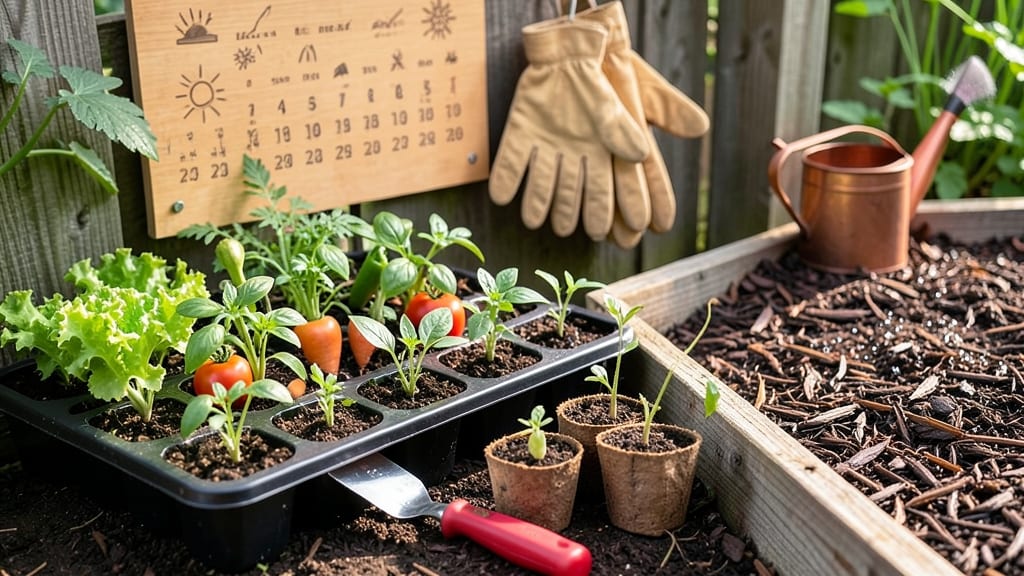
A well-planned vegetable garden planting schedule is the key to unlocking a bountiful harvest all season long, no matter where you live.
Struggling to keep your vegetable garden thriving year-round? A well-planned planting schedule tailored to your heat zone is the secret weapon every gardener needs to maximize yields and avoid costly mistakes.
Whether you're in a chilly Zone 3 or a balmy Zone 10, timing makes all the difference between a thriving plot and a flop.
Too early, and frost will nip your seedlings before they even get started. Too late, and the heat will rob your plants of energy before they can produce.
The right schedule ensures your cool-season crops like lettuce and spinach get planted when the soil is cool, while your warm-season favorites like tomatoes and peppers go in after the last frost.
Below, I break down how to read your local frost dates, match them to your zone, and create a custom planting timeline that keeps your garden productive from spring through fall.
You'll learn which vegetables to plant in early spring, which can handle a late frost, and how to time your succession plantings for continuous harvests.

How to determine your heat zone and create a custom planting timeline
Creating a thriving vegetable garden starts with understanding your USDA heat zone and frost dates. These two factors determine when to plant cool-season crops like lettuce and peas versus warm-season favorites such as tomatoes and peppers.
Without this knowledge, you risk planting too early or too late, leading to wasted seeds and stunted growth.
Your heat zone tells you the average number of days with temperatures above 32°F, while frost dates reveal your last spring frost and first fall frost. Together, they create the foundation for your custom planting timeline.
For example, gardeners in Zone 5 have a shorter growing season than those in Zone 8, meaning different crops thrive in each location.
Start by finding your USDA heat zone using the USDA Plant Hardiness Zone Map. Simply enter your ZIP code to discover your zone number. Next, check your average frost dates from the National Oceanic and Atmospheric Administration (NOAA) website.
These dates help you calculate how many frost-free days you have each year.
Once you know your zone and frost dates, divide your growing season into three key periods: early spring, late spring to summer, and early fall. Each period supports different types of vegetables.
For instance, cool-season crops like kale and spinach thrive in early spring, while warm-season crops such as cucumbers and squash need the heat of summer.
Here’s a quick reference to get started: Plant cool-season crops 4-6 weeks before your last frost date, while warm-season crops should go in the ground 2-3 weeks after your last frost. Adjust these timelines slightly based on your specific microclimate—shady spots or windy areas may need extra care.
🌱
With your heat zone and frost dates in hand, create a seasonal planting calendar tailored to your garden. Start by listing cool-season crops like broccoli and carrots for early spring and late fall. Then, add warm-season crops such as bell peppers and eggplants for summer.
For example, in Zone 6, you might plant lettuce in early April and again in late August for a fall harvest. Meanwhile, tomatoes should go in the ground after the last frost, around mid-May. This staggered approach ensures a continuous supply of fresh vegetables throughout the growing season.
Don’t forget to account for succession planting, which involves sowing new seeds every 2-3 weeks for crops like radishes and bush beans. This technique maximizes your harvest and prevents gluts of produce all at once.
Keep a garden journal to track what works best in your specific zone and adjust your timeline as needed.
Finally, use row covers or cold frames to extend your growing season in cooler zones. These tools can push your last frost date back by several weeks, allowing you to plant earlier or harvest later.
For instance, a simple floating row cover can protect spinach from a late frost in Zone 5, giving you an extra month of harvest.
By mastering your heat zone and planting timeline, you’ll transform your garden into a year-round productivity powerhouse. Happy planting! 🌿
Monthly planting calendar by heat zone: what to plant when for maximum harvests
A well-timed planting schedule transforms your garden from seasonal chaos to a year-round harvest powerhouse. Each heat zone (3-10) has unique windows for planting cool-season crops like lettuce and warm-season favorites such as tomatoes.
My calendar below shows exact months for direct sowing and transplanting, plus succession planting tips to avoid gaps in your harvest.
For example, in Zone 5, you can start spinach and peas as soon as soil thaws (March), while Zone 9 gardeners plant cucumbers and beans in February. The key? Matching your last frost date with each plant's cold tolerance—and this table makes it effortless.
Succession planting is my secret to non-stop harvests. For leafy greens like lettuce or spinach, sow new seeds every 2-3 weeks after your first planting. Root vegetables such as carrots and radishes thrive with staggered plantings too—just leave 1-2 inches between rows for easy thinning.
In warmer zones (9-10), you can even plant cool-season crops in fall for winter harvests. For example, broccoli and cabbage planted in September will mature by December in Zone 9. Use row covers to protect tender greens from light frosts and extend your season.
Pro tip: Always check your local frost dates—they can vary by 1-2 weeks even within the same zone. Adjust your schedule by 10-14 days earlier or later based on your microclimate. A garden journal helps track what works best each year.
Start with just 3-5 varieties per season to avoid overwhelm. For instance, try one cool-season crop (spinach), one warm-season staple (tomatoes), and one succession plant (radishes). This keeps your garden manageable while still delivering diverse harvests all year.