Planting
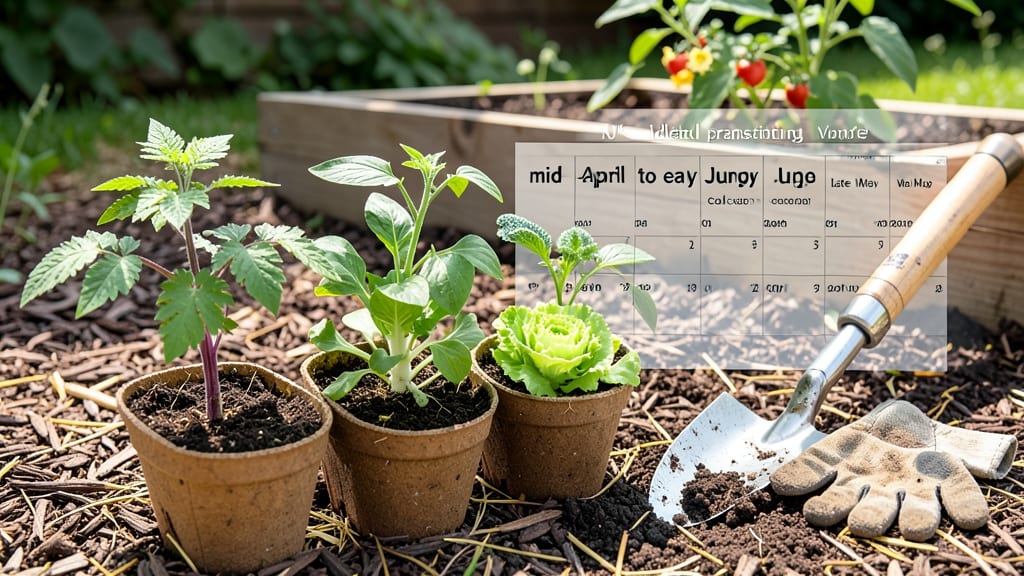
Planting a vegetable garden in New Jersey at the right time means the difference between a thriving harvest and a frost-nipped disappointment.
New Jersey’s unpredictable spring frost and variable soil temperatures can turn even the most eager gardener into a second-guesser—planting too early risks frost damage, while waiting too long shortens your growing season.
But with the right timing, you can maximize yields and enjoy homegrown veggies from spring to fall. Whether you’re growing cool-season greens like lettuce or warm-season favorites like tomatoes, knowing when to plant is the key to a productive garden.
Below, I’ll break down the best months for planting by crop type, soil temperature guidelines, and how NJ’s unique climate zones affect your schedule. You’ll also discover how to adjust for coastal vs. inland areas and use local resources to fine-tune your planting strategy.
NJ frost dates and soil temperature guidelines for planting vegetables
New Jersey’s USDA Zones 6b and 7a mean gardeners must balance frost dates with soil warmth to avoid stunted growth or frost damage. The average last spring frost ranges from mid-April (coastal areas) to early May (inland), while the first fall frost typically arrives between late October and mid-November.
These dates shift yearly, so always check the NJ Agricultural Experiment Station’s frost predictions for real-time updates.
Soil temperature is just as critical as air temperature. Most cool-season vegetables like lettuce and peas thrive when soil reaches 40–50°F, while warm-season crops such as tomatoes and peppers need 60–70°F to germinate.
A soil thermometer (available for $10–$20) is your best tool for precision—stick it 2–3 inches deep to check warmth before planting.
Here’s how NJ’s microclimates affect planting: Coastal regions (e.g., Cape May, Shore areas) experience delayed last frosts due to ocean moderation, while inland zones (e.g., Sussex County) warm up 1–2 weeks earlier.
This means your planting window could vary by 10–14 days depending on location. For example, spinach might be safe to direct-sow in early April inland but wait until mid-April near the coast.
| Region | Avg. Last Spring Frost | Avg. First Fall Frost | Soil Temp. for Cool-Season Crops (°F) | Soil Temp. for Warm-Season Crops (°F) | Planting Adjustment Tip |
|---|---|---|---|---|---|
| Coastal (e.g., Cape May, Shore) | Mid-April | Late October | 40–50°F | 65–70°F | Wait 1–2 weeks longer for warm-season starts. |
| Inland (e.g., Sussex, Hunterdon) | Early May | Mid-November | 40–50°F | 60–65°F | Start warm-season crops 1–2 weeks earlier. |
| Central (e.g., Trenton, Newark) | Late April | Early November | 40–50°F | 60–68°F | Use row covers for early starts if frost threatens. |
To extend your growing season, use row covers or cold frames to protect seedlings from late frosts. These tools can push your last spring planting date by 2–3 weeks and delay the first fall frost by 10–14 days.
For example, I’ve successfully grown kale into December in my raised beds using a floating row cover—just remove it during the day to prevent overheating.
For warm-season vegetables, wait until the soil is consistently 60°F+ before planting. Test this by placing a soil thermometer in the ground for 3 consecutive days. If your soil is still cold, opt for container gardening—pots warm up faster and give you control over temperature.
I’ve had great success with pepper seedlings in 5-gallon buckets on a sunny patio, transplanting them outdoors only after Memorial Day.
Fall planting is trickier in NJ due to unpredictable frosts. Aim to sow cool-season crops like broccoli or radishes by mid-August to harvest before winter. Use the "50°F soil rule"—if the ground stays above this temperature, your plants will thrive.
For a second fall harvest, try fast-maturing varieties like bush beans or turnips, which can be planted as late as early September in most of NJ.
Pro tip: Bookmark the NJ Weather and Climate Network for real-time soil and air temperature data. Their free alerts notify you of frost warnings, so you can cover vulnerable plants or harvest before damage.
I also set a reminder for Mother’s Day weekend (mid-May) as a safe benchmark for planting tomatoes and peppers in most of NJ—this gives you a 150-day growing season before the first frost.
If you’re unsure about your local frost dates, check with your county extension office. For example, Rutgers Cooperative Extension offers free gardening guides tailored to your region, including soil test kits and frost date maps. Their experts can also recommend NJ-adapted vegetable varieties that thrive in your specific microclimate.
Remember: Soil temperature > air temperature when it comes to germination. Even if the air is warm, cold soil will stall seedling growth. For instance, cucumber seeds
Best months to plant popular NJ vegetables by crop type (cool vs. warm season)
New Jersey’s cool-season and warm-season vegetables thrive on precise timing to avoid frost damage and maximize yields. Cool-season crops like lettuce and peas prefer spring and fall planting, while warm-season favorites like tomatoes and peppers need soil temperatures above 60°F to germinate successfully.
Understanding these windows ensures a continuous harvest from early spring through late fall.
For cool-season vegetables, start seeds indoors 4-6 weeks before the last expected frost (typically mid-April in most of NJ). Warm-season crops, however, should wait until after the last frost (usually mid-May inland, late May near the coast) and soil temperatures consistently reach 60°F+.
Succession planting—sowing seeds every 2-3 weeks—extends harvests and prevents gluts.
🌱 Key Planting Times for NJ Vegetables
- March-April: Cool-season crops like lettuce, spinach, and peas. Direct sow carrots and radishes when soil reaches 40°F.
- April-May: Onions and broccoli transplants. Start cabbage seeds indoors for late spring planting.
- May-June: Warm-season stars like tomatoes, peppers, and cucumbers. Wait until soil is 60°F+ and nights stay above 50°F.
- June-July: Succession plant beans, zucchini, and summer squash. Sow basil and okra for late-season harvests.
- August-September: Fall cool-season crops—plant lettuce, kale, and radishes 8-10 weeks before first frost (mid-October inland).
NJ’s humidity and variable weather demand extra care. Warm-season crops like tomatoes often suffer from blossom end rot or early blight if planted too early. Use row covers or black plastic mulch to warm soil faster in spring.
For cool-season crops, extend harvests by planting hardy varieties like Winter Density lettuce or Tendergreen spinach, which tolerate light frosts.
Succession planting is your secret weapon. For example, sow bush beans every 2 weeks from June through July to enjoy a steady supply. Similarly, radishes mature in just 30 days, making them perfect for quick rotations. Interplant fast growers like radishes with slower carrots to maximize space and time.
Don’t overlook fall planting—it’s just as productive as spring! Broccoli and cauliflower planted in August can yield into November if protected with frost cloth. Even kale tastes sweeter after a light frost, making it a fall favorite.
Just remember: soil prep is key—amend beds with compost before planting to improve drainage and fertility.
Pro tip: Use a soil thermometer to monitor temperatures. Cool-season crops need 40-50°F soil, while warm-season varieties require 60°F+. If spring soil stays cold, opt for container gardening—pots warm up faster and give you control over planting timing.
With these strategies, your NJ vegetable garden can thrive year-round! 🌿