
Tools
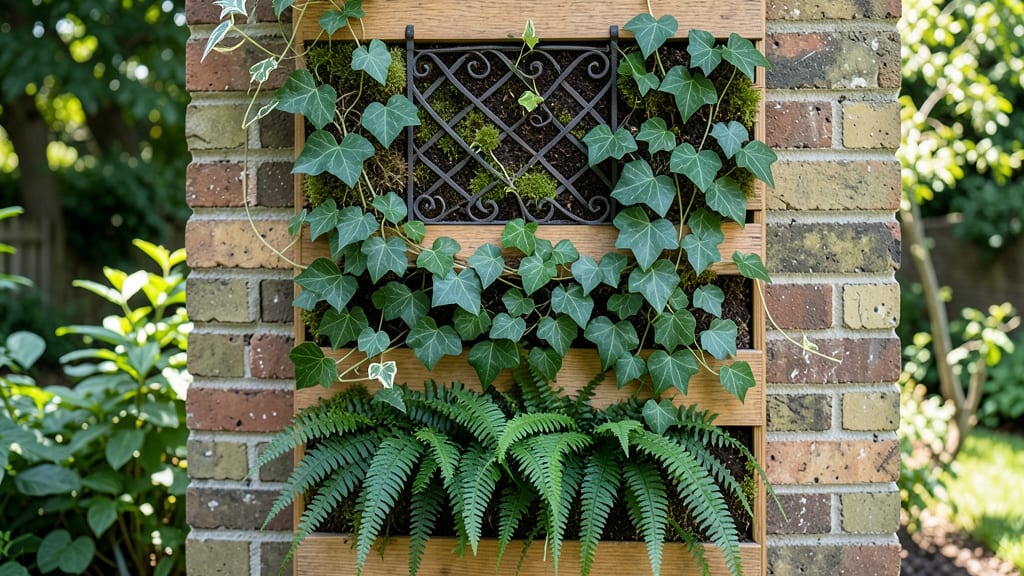
An outdoor wall garden transforms even the tiniest patio or balcony into a thriving green space 🌿—no sprawling yard required.
Picture this: your morning coffee beside a wall bursting with herbs, flowers, and maybe even a few veggies, all without sacrificing a single square foot of your outdoor area. That’s the magic of vertical gardening, and it’s easier to set up than you think.
Whether you’re working with a bare concrete wall or a rustic wooden fence, the right structure—think trellises, hanging pockets, or modular planters—can turn any surface into a lush, functional garden. The best part? You’ll save space and water while keeping pests at bay.
In this guide, I’ll walk you through designing a layout that works for your space, picking the right plants for vertical growth, and keeping everything lush with minimal effort. Let’s get started!
How to design a functional outdoor wall garden layout for small spaces
Transforming limited outdoor space into a lush, functional garden doesn’t require sacrificing square footage—vertical wall gardens are the game-changer for urban gardeners and small-space enthusiasts alike.
Whether you have a tiny balcony, narrow yard, or patio, a well-planned wall garden outdoor can maximize your growing potential while adding beauty and functionality. The key lies in strategic planning: choosing the right wall type, assessing sunlight exposure, and selecting the perfect structural materials to support your plants.
Before diving into designs, consider your space constraints and goals. Are you growing herbs for cooking, vibrant flowers for aesthetics, or a mix of edibles and foliage? Each choice impacts your wall garden layout.
For example, herbs like basil and thyme thrive in shallow pockets, while trailing vines like nasturtiums need vertical support. Start by measuring your wall or designated area—even a 3-foot-high space can yield impressive results with the right approach.
Step-by-step guide to designing your outdoor wall garden:
Choose Your Wall Type
Decide between living walls (plants integrated into the wall surface) or modular systems (pockets, trellises, or pallets). Living walls require professional installation but offer seamless aesthetics, while modular systems are DIY-friendly and budget-friendly. For beginners, start with fabric pockets or wooden pallets—they’re easy to customize and repurpose.
Assess Sunlight Exposure
Observe your wall’s sunlight patterns throughout the day. Full sun (6+ hours) suits tomatoes, peppers, and herbs, while partial shade (3-6 hours) works for ferns, ivy, and some succulents.
Use a sunlight tracker app to map exposure. If your space gets harsh afternoon sun, opt for shade-tolerant plants like coleus or sweet potato vine.
Select Structural Materials
Choose materials based on durability and aesthetics. Trellises (metal or wood) are ideal for climbing plants like jasmine or cucumbers. Pallets (reclaimed wood) work for herbs and leafy greens, while fabric pockets (like GrowBag systems) are lightweight and portable.
For balconies, consider hanging planters or wall-mounted gutters filled with soil.
Plan Plant Placement
Group plants by water needs and growth habits. Place heavy feeders like tomatoes at the bottom of trellises, while lightweight vines like nasturtiums can trail upward. Leave 1-2 inches between plants for airflow. For a low-maintenance design, mix drought-resistant succulents with moisture-loving herbs.
Install Drainage and Irrigation
Ensure your system has proper drainage to prevent root rot. Drill holes in pallets or use self-watering pockets to retain moisture. For automated care, install a drip irrigation system or use a smart watering timer. Place a tray or saucer beneath modular units to catch overflow.
Once your structure is in place, focus on aesthetic layers to create visual interest. Combine textures like trailing ferns, spiky succulents, and lush herbs for depth. Add small solar-powered lights or decorative pebbles to enhance the look.
For balconies, use vertical planters with cascading flowers to draw the eye upward. Remember, the goal is to create a functional yet beautiful space that reflects your personal style.
Don’t overlook the importance of seasonal adjustments. Swap out winter-hardy plants like pansies for summer blooms such as petunias or marigolds. Rotate edibles like bush beans or lettuce every few weeks to maximize yield.
With a little creativity, your wall garden outdoor can evolve year-round, offering fresh produce, fragrant herbs, and stunning visuals—no matter how small your space.
Start small if you’re new to vertical gardening. A 3-foot-wide section with 5-6 plants is manageable and allows you to refine your approach. Over time, expand your design as confidence grows. The beauty of wall gardens is their adaptability—whether you’re growing food, flowers
Best outdoor wall garden plants for vertical growth and low maintenance
Creating a vibrant outdoor wall garden doesn’t mean sacrificing beauty or productivity. The right vertical plants can thrive with minimal space while adding color, texture, and even fresh herbs or veggies to your urban oasis.
I’ve curated a selection of hardy, low-maintenance plants that excel in vertical setups, from trailing vines to drought-tolerant succulents, perfect for balconies, patios, or fences.
For urban gardeners, choosing plants that tolerate partial shade and require minimal watering is key. Many of these options also double as edible greens, making your wall garden both functional and decorative.
Below, I’ve outlined the best performers, categorized by growth habits and care needs, so you can pick the perfect mix for your space.
If you’re working with limited sunlight, opt for partial-shade lovers like ivy or lettuce, which thrive in 4-6 hours of indirect light. For sun-drenched walls, nasturtiums and basil will flourish, while drought-resistant sedum requires almost no water once established.
I recommend mixing edible plants with ornamental ones—like pairing thyme with clematis—to create a functional and visually appealing vertical display.
One of my favorite fast-growing options is nasturtium, which not only adds vibrant blooms but also deters pests like aphids. Its trailing habit makes it perfect for hanging pockets or trellises.
For herb lovers, basil is a must—it grows quickly and can be harvested continuously for cooking. Just ensure it gets at least 6 hours of sunlight daily to prevent leggy growth.
For urban environments, prioritize plants that tolerate wind and pollution, like thyme or sedum. These low-maintenance stalwarts require minimal pruning and can handle occasional neglect better than fussy annuals.
If your wall garden faces north, consider shade-tolerant ferns or creeping fig for lush, green coverage without high sunlight demands.
To keep your vertical garden thriving, I suggest grouping plants with similar water and sunlight needs together. For example, place succulents and herbs near the top where they can catch rainwater, while trailing vines like clematis can cascade downward.
Regularly trim overgrown foliage to encourage bushier growth and prevent blockages in your irrigation system.
With the right mix of low-maintenance plants, your outdoor wall garden will become a self-sustaining ecosystem that adds value to your space without the hassle. Start small, experiment with combinations, and watch your vertical garden transform into a lush, productive haven. 🌿