
Tools
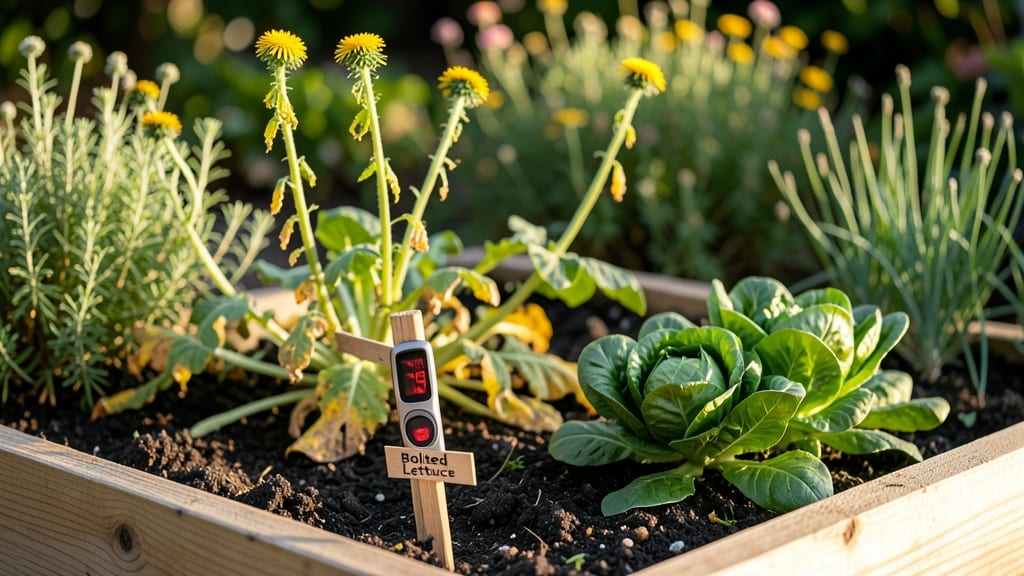
What does bolted mean in gardening? When plants bolt, they rapidly produce a tall flower stalk instead of growing leaves or edible parts, typically caused by heat stress, improper timing, or environmental factors. This premature flowering diverts energy away from harvestable growth, especially affecting leafy greens like kale and herbs such as cilantro.
Bolting happens because plants prioritize reproduction over leaf or stem growth when they sense stress signals. 🌱 For example, cool-weather crops like spinach may bolt if exposed to sudden heat waves, while herbs like basil often bolt when days grow longer.
Understanding your region's climate zones helps predict when bolting might occur, so you can adjust planting schedules or use shade cloth to delay it.
This process isn't just about timing—it's also tied to plant hormones. Ethylene and abscisic acid trigger bolting when plants detect environmental changes, like drought or overcrowding. 💧 The key to preventing bolting lies in maintaining consistent moisture, rich soil, and proper spacing between plants.
For instance, succession planting every 2-3 weeks can extend your harvest window by always having fresh, young plants that haven't experienced stress.
💡 In This Article
- Why Plants Bolt: Stress Triggers and Biological Reasons
- Preventing Bolting in Leafy Greens and Herbs
Why plants bolt: stress triggers and biological reasons
When plants bolt, they're essentially switching gears from growing leaves or edible stems to producing flowers—a survival strategy hardwired into their DNA. This shift happens because plants detect environmental stress signals through specialized proteins called photoreceptors that respond to light intensity and temperature.
For example, leafy greens like lettuce have a built-in mechanism that triggers bolting when day lengths exceed 14 hours (common in late spring), while herbs like cilantro bolt when exposed to temperatures above 75°F for extended periods.
The biological trigger involves two key hormones: ethylene and abscisic acid. Ethylene acts like a chemical alarm system, signaling the plant to prioritize reproduction when it senses drought or physical damage.
Abscisic acid, meanwhile, accumulates in response to water stress, further accelerating the bolting process. 🌡️ What's fascinating is how quickly this shift occurs—some plants can produce a 2-foot-tall flower stalk in just 7-10 days once bolting begins, completely redirecting their energy from leaf production to seed development.
Age plays a critical role too. Most vegetables have a finite "harvest window" before they naturally bolt—typically 30-60 days for fast-growing greens. When plants reach this biological threshold, their internal clock tells them it's time to reproduce, regardless of external conditions.
Overcrowding exacerbates this by creating competition for resources, forcing plants to accelerate their life cycle. I've seen basil plants bolt in just 4 weeks when grown too densely, compared to 8-10 weeks when properly spaced.
Even subtle factors like soil fertility can influence bolting. Plants grown in nitrogen-rich soil may delay bolting slightly, but this is a double-edged sword—excess nitrogen can lead to soft, floppy growth that's more susceptible to heat stress. The sweet spot is a balanced NPK ratio (5-10-10) with consistent moisture.
For instance, spinach varieties like 'Bloomsdale Long Standing' are bred to tolerate slightly warmer conditions than 'Winter Bloomsdale', making them better choices for regions with marginal heat tolerance.
What most gardeners don't realize is how light quality affects bolting. Plants use red and far-red light wavelengths to gauge their surroundings—long days with more red light accelerate bolting, while shade cloth that filters 30-50% of light can delay it by 2-3 weeks.
This is why row covers work so well—they don't just provide shade, but also alter the light spectrum the plants receive, tricking them into thinking it's still cool season.
Consider this: A single heat wave above 85°F can trigger bolting in heat-sensitive crops like arugula, even if all other conditions are ideal. The plant's survival instinct overrides its growth pattern because, in nature, extreme heat often signals the end of the growing season.
Understanding these biological triggers helps explain why some plants bolt predictably in certain climates while others seem to bolt randomly—it's rarely just "bad luck."