
Tools
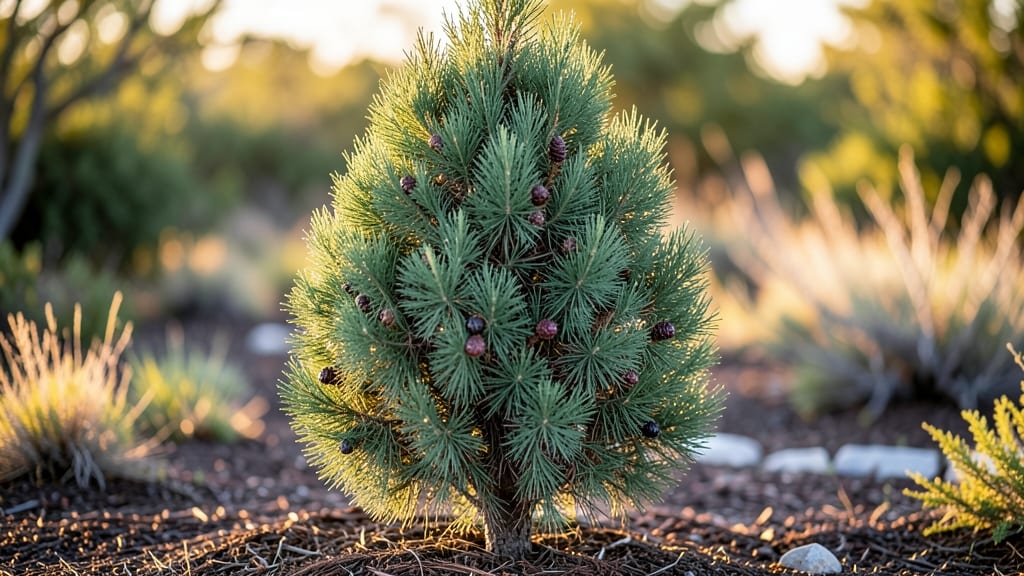
Houston's garden zone is 9a, with winter lows between 20°F and 25°F (-6.7°C to -3.9°C), creating ideal conditions for tropical and subtropical plants to thrive year-round.
Houston's warm climate isn't just about summer heat—it's the mild winters that define Zone 9a gardening. 🌿 The city's humidity and coastal influence mean plants that would struggle in colder zones can flourish here, while the occasional light frost keeps some tropical varieties from becoming completely invasive.
This unique balance lets gardeners grow everything from citrus trees to hibiscus bushes without worrying about harsh freezes. The key is choosing plants that can handle both the summer's intensity and the rare winter chill.
What makes Houston's zone particularly interesting is how urban areas can create microclimates. Downtown's concrete jungle stays warmer than suburban neighborhoods, while coastal areas near Galveston Bay experience more moderate temperatures.
These variations mean you might need to adjust planting zones by a half-step (like 9a to 9b) depending on your exact location within the metro area.
💡 In This Article
- Understanding Houston’s USDA Zone 9a Climate Factors
- Best Plants to Grow in Houston’s Zone 9a
Understanding Houston’s USDA Zone 9a climate factors
Houston's classification as Zone 9a stems from its unique blend of subtropical heat and humidity, where average winter lows hover just above freezing (20-25°F/-6.7°C to -3.9°C). This mildness prevents hard freezes, allowing plants like citrus and bougainvillea to thrive year-round.
The city's proximity to the Gulf of Mexico creates a moderating effect—coastal breezes prevent extreme temperature swings that would stress tropical species in inland areas.
The humidity factor is critical here. Houston averages 70-80% relative humidity year-round, which means plants must be able to handle both moist air and occasional summer droughts. This creates a challenge for gardeners: selecting varieties that tolerate both high moisture and intense sun exposure.
For example, while palm trees flourish in this climate, they require consistent watering during dry spells to prevent browning fronds—a clear sign of heat stress.
Urban heat islands play a surprising role too. Downtown Houston can be 5-10°F warmer than suburban areas due to concrete surfaces and lack of vegetation. This means gardeners in downtown might safely grow Zone 9b plants (like mango trees) that would struggle slightly in cooler suburban microclimates.
Conversely, coastal areas near Galveston Bay experience more moderate temperatures, sometimes bordering Zone 8b characteristics.
What most people overlook is how these factors interact with soil. Houston's clay-heavy soil retains moisture but compacts easily, requiring amendments like compost to improve drainage. This is why drought-resistant natives like Texas Sage (Leucophyllum frutescens) thrive—they've adapted to both our heat and poor soil conditions.
The key takeaway? Plant selection must account for all these variables simultaneously.
Seasonal variations add another layer. While winters are mild, brief cold snaps can still occur—especially in January-February—which is why even Zone 9a plants benefit from light frost protection. I've seen citrus trees survive Houston winters unprotected, but their leaves often show frost damage until they've hardened off properly.
This demonstrates how microclimates within yards (like south-facing walls) can create pockets where tender plants might survive slightly colder conditions.
For practical application, this means gardeners should:
- Group plants by water needs (e.g., succulents near drought-tolerant natives)
- Use mulch to regulate soil temperature swings between day and night
- Monitor coastal vs. inland plant hardiness differences when sourcing varieties
The bottom line? Houston's Zone 9a status isn't just about temperature numbers—it's about understanding how these climate factors create a delicate balance where tropical plants can thrive with minimal winter protection. 🌿