
Advice
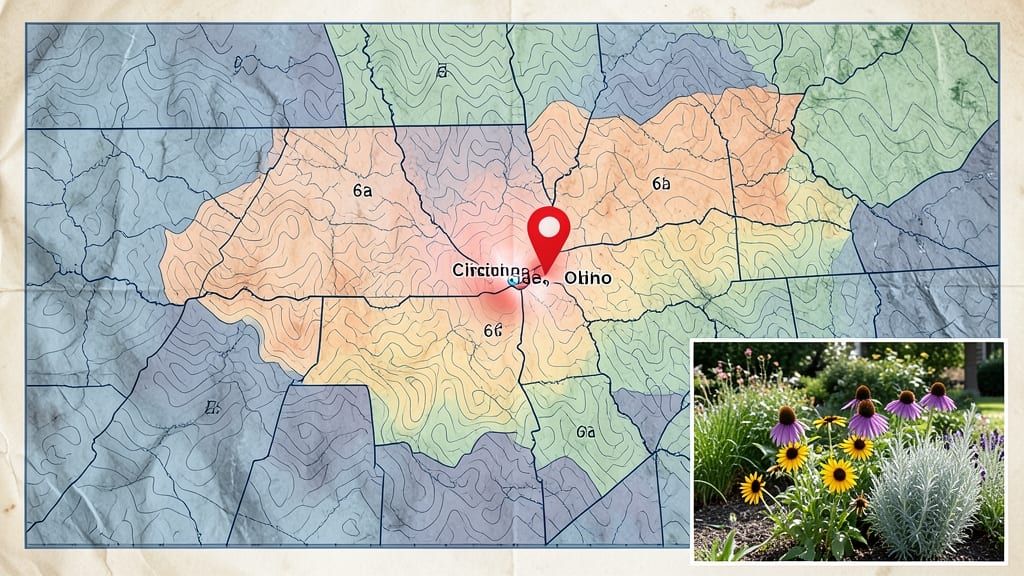
Cincinnati, Ohio sits in USDA Zone 6a-6b, where frost dates and growing seasons shape every gardening decision you make.
If you’ve ever planted tomatoes too early or watched tender perennials wilt in a late spring freeze, you know how much this classification matters. The difference between Zone 6a and 6b can mean a week’s worth of growing time—enough to shift your entire planting schedule.
This zone determines when to start seeds indoors, which cold-hardy plants will survive winter, and how to stretch your harvest season. Whether you’re a first-time gardener or a seasoned pro, understanding these details helps you avoid common pitfalls like frost damage or wasted effort on plants that won’t thrive.
Below, I’ll break down what this means for your garden—from frost dates to the best plants for your climate—and how to make the most of Cincinnati’s 165 frost-free days.
Cincinnati’s USDA Zone 6a-6b: frost dates, growing season & key planting times
Cincinnati’s USDA Zone 6a-6b classification means you can grow a surprisingly wide variety of plants—if you time your planting right. The city’s average last spring frost typically hits around April 15, while the first fall frost usually arrives by October 15.
This gives you roughly 165 frost-free days to grow cool-season crops, warm-season vegetables, and perennials.
Understanding these frost dates is critical because it dictates when to plant cool-season crops like spinach and peas (as early as March) versus warm-season favorites such as tomatoes and peppers (after the last frost).
Even a 1-2 week delay can mean the difference between a thriving garden and a failed harvest.
Cincinnati’s growing season length varies slightly by neighborhood due to microclimates. Urban areas with concrete and buildings may experience 1-2°F warmer temperatures than rural outskirts, while river valleys can trap cold air, delaying spring planting.
Always check your specific microclimate—your backyard might be a degree or two warmer (or colder) than the city average.
Here’s a quick reference for Cincinnati’s key planting windows based on your USDA zone:
| Season | Planting Window | Best Crops | Notes |
|---|---|---|---|
| Spring | March (cool crops) - After April 15 (warm crops) | Peas, Lettuce, Tomatoes, Peppers | Use row covers for early spring |
| Summer | May - Early July | Cucumbers, Beans, Basil, Zinnias | Mulch to retain moisture |
| Fall | Late July - Early September | Kale, Carrots, Radishes, Pansies | Extend season with cold frames |
| Winter | October (hardy perennials) | Garlic, Spring Bulbs, Evergreens | Protect with mulch |
For spring planting, start with cool-season vegetables like spinach and peas in early March. Once the average last frost date passes (around April 15), you can safely plant warm-season crops such as tomatoes, peppers, and cucumbers.
If you’re unsure, use biodegradable row covers to protect tender seedlings from unexpected late frosts.
Fall planting in Cincinnati’s Zone 6a-6b is equally rewarding. Cool-season crops like kale, carrots, and radishes thrive when sown in late July or early August.
These plants often produce sweeter flavors after a light frost, and you can extend harvests well into October by using cold frames or row covers to delay the first frost’s impact.
Don’t overlook perennial plants—they’re the backbone of a low-maintenance Cincinnati garden. Many hardy perennials like coneflowers, black-eyed Susans, and daylilies can be planted in spring or fall, giving you flexibility. Fall planting is ideal because cooler temperatures reduce transplant shock, and plants establish roots before winter dormancy.
Cincinnati’s microclimates can create big differences in your garden’s success. For example, areas near the Ohio River may experience slightly warmer springs, while higher elevations in the city’s outskirts could see earlier frosts.
Pay attention to your garden’s sun exposure and wind patterns—a south-facing wall can add warmth, while open spaces may need windbreaks.
To maximize your growing season, consider succession planting. Instead of planting all your lettuce at once, stagger plantings every 2 weeks to ensure a continuous harvest.
This works especially well for fast-growing crops like radishes, bush beans, and arugula, which can be replanted even after the initial planting window closes.
For real-time updates, check the National Weather Service Cincinnati or local gardening groups like the Ohio Perennial & Biennial Society. They often share real-time frost alerts and adjust planting recommendations based on yearly variations.
With the right timing, Cincinnati’s Zone 6a-6b can deliver abundant harvests from early spring to late fall! 🌱
Best plants for Cincinnati’s USDA Zone 6a-6b: perennials, annuals & vegetables that thrive
Cincinnati’s Zone 6a-6b climate offers a perfect balance for gardeners—mild winters and warm summers create ideal conditions for a diverse range of plants. Whether you're growing colorful perennials, edible vegetables, or fragrant herbs, these selections will thrive with minimal fuss.
I’ve handpicked varieties that handle Cincinnati’s hot summers and occasional late frosts while delivering stunning blooms or bountiful harvests.
For perennials, focus on hardy plants that return year after year, like coneflowers and black-eyed Susans, which bloom from summer through fall. These drought-tolerant beauties need little maintenance once established.
Annuals like marigolds and zinnias add vibrant pops of color and attract pollinators, while vegetables such as kale and swiss chard handle cooler temperatures better than many varieties.
🌱 Top Plants for Cincinnati’s Zone 6a-6b
- 🌼 Perennials: Coneflower, Black-Eyed Susan, Peony, Lavender, Russian Sage
- 🥬 Vegetables: Kale, Swiss Chard, Broccoli, Carrots, Potatoes, Lettuce (cold-hardy varieties)
- 🌿 Herbs: Thyme, Oregano, Parsley, Chives, Mint (in containers)
- 🌻 Annuals: Marigold, Zinnia, Snapdragon, Petunia, Sunflower
- 🌳 Shrubs: Butterfly Bush, Hydrangea, Boxwood, Lilac, Spirea
My top recommendation for low-maintenance perennials is coneflower (Echinacea), which thrives in full sun and dry soil. It blooms from mid-summer to fall, attracting butterflies and bees while requiring almost no care after the first year.
For vegetable gardens, kale and swiss chard are winter-hardy and can be harvested well into Cincinnati’s cool fall months.
When selecting annuals, prioritize heat-tolerant varieties like zinnias and marigolds to extend your blooming season. These plants handle Cincinnati’s summer heat better than many others and often rebloom after deadheading.
For herbs, thyme and oregano are perfect for dry, sunny spots and can be used fresh or dried throughout the year.
Don’t overlook shrubs like butterfly bush (Buddleia) for pollinator-friendly gardens. It’s drought-resistant and blooms prolifically in late summer, providing nectar for monarchs and hummingbirds. For extended color, plant hydrangeas in partial shade—they’ll reward you with bold blooms from early summer through fall.
Pro tip: Group plants with similar water needs together to simplify care. For example, pair drought-tolerant perennials like lavender with succulents in a sunny, well-drained bed. This approach saves time and ensures no plant gets over- or under-watered.