
Tools
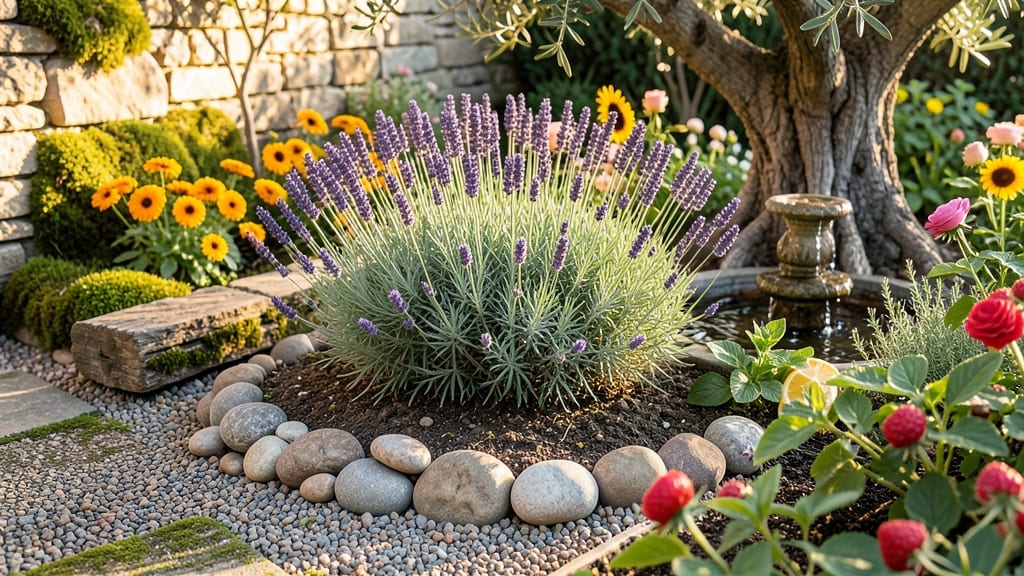
A sensory garden is a purposefully designed outdoor space that intentionally stimulates all five senses—sight, sound, touch, smell, and taste—through carefully selected plants, textures, and natural features. These spaces are crafted to create calming, educational, or therapeutic environments that enhance well-being and connection to nature.
A sensory garden transforms ordinary outdoor spaces into dynamic, multi-dimensional experiences by blending aesthetics with functionality. 🌿 For example, lavender and rosemary provide fragrant aromas that trigger relaxation, while smooth-leaved plants like lamb's ear offer tactile contrast.
The key lies in balancing visual appeal with interactive elements—think rustling grasses for sound, vibrant blooms for sight, and edible herbs for taste. These gardens aren't just decorative; they're intentionally designed to engage the mind and body, making them especially valuable for therapeutic settings, schools, or private retreats.
What makes these gardens particularly effective is their adaptability. You can create one on any scale—from a small urban balcony to a sprawling backyard—using accessible features like raised beds for wheelchair users or ground covers for easy tactile exploration.
The best designs incorporate seasonal variety so the experience evolves throughout the year, keeping each visit fresh and engaging.
💡 In This Article
- Designing a Sensory Garden for Multi-Sensory Stimulation
- Top Plants for a Functional Sensory Garden Layout
Designing a sensory garden for multi-sensory stimulation
Creating a sensory garden requires intentional layering of elements to engage each sense individually while harmonizing them into a cohesive experience. Start with visual contrast—pair bold foliage like purple basil with bright blooms such as marigolds to create striking color contrasts.
The science behind this lies in how our eyes perceive complementary colors (e.g., red and green) which naturally draw attention and reduce visual fatigue.
For sound, incorporate rustling grasses like maiden grass or add wind chimes near seating areas, where their gentle movements create ambient white noise that masks disruptive urban sounds.
For aromatic stimulation, select plants rich in volatile organic compounds (VOCs) like lavender (which contains linalool and linalyl acetate) or mint (with menthol).
These compounds trigger olfactory receptors that directly connect to the brain's limbic system, responsible for emotions and memory—explaining why scents like rosemary can boost focus by up to 20% according to research from the Netherlands Institute for Neuroscience.
Place fragrant plants near pathways where visitors naturally pause, like near benches or garden entrances.
Tactile elements should include varied textures—smooth leaves of lamb's ear (with fuzzy, velvety foliage) alongside spiky yucca for contrast. Consider adding a scented geranium variety with velvety petals that release fragrance when touched.
These textures create a 3D sensory experience that's particularly valuable for children with sensory processing needs or adults with visual impairments. For accessibility, incorporate raised beds filled with soft ground covers like creeping thyme, allowing wheelchair users to reach and explore without bending.
Edible plants bridge the gap between ornamental and functional design. Herbs like chives or mint provide both visual interest and culinary value, while fruit-bearing shrubs like currants offer seasonal rewards. The act of harvesting or tasting fresh produce adds an interactive layer that deepens engagement.
What's often overlooked is how temperature contrast plays a role—cool mint leaves against warm summer sun or crisp apple slices in autumn create additional sensory layers that heighten the experience.
Finally, consider seasonal layering to maintain year-round stimulation. Plant spring bulbs like daffodils for early color, summer annuals for continuous blooms, and winter-interest plants like ornamental grasses or evergreen shrubs. The key is creating a dynamic experience where each season offers new sensory discoveries.
For example, a winter garden might feature fragrant wintergreen plants and the sound of water trickling from a small fountain, providing auditory and olfactory comfort during colder months.
The most successful sensory gardens balance these elements with proportional harmony—no single sense should dominate. A garden that's overwhelmingly fragrant might distract from visual or tactile exploration, while one lacking auditory elements feels incomplete.
Test your design by walking through it with eyes closed, then with ears covered, to ensure each sense gets balanced attention. 🌿