
Tools
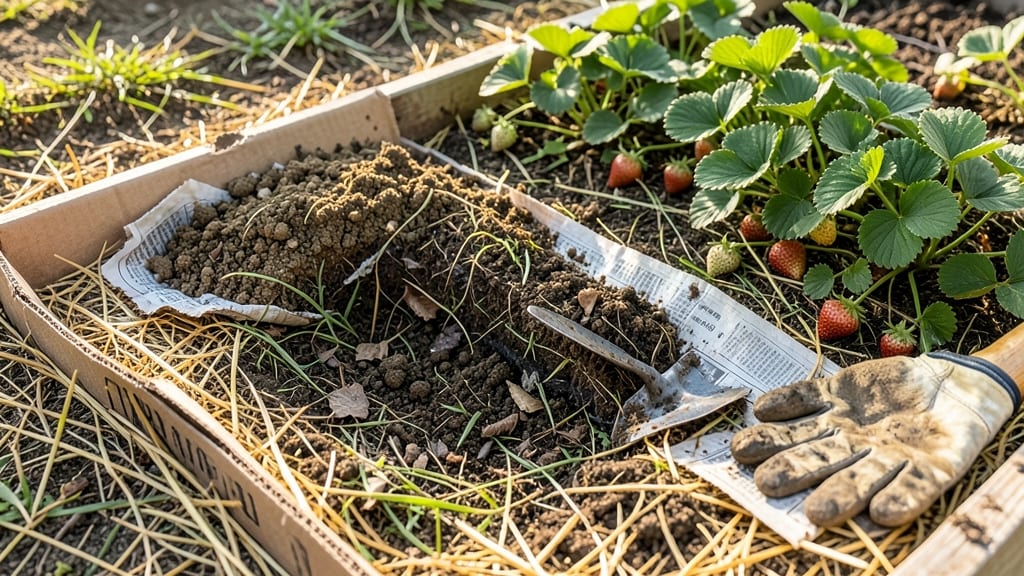
Lasagna gardening creates fertile garden beds by layering organic materials like cardboard, leaves, and compost without traditional tilling. This method mimics natural decomposition processes, improving soil structure, moisture retention, and nutrient availability while suppressing weeds and reducing erosion.
This innovative technique builds rich soil over time by alternating carbon-rich materials (like newspaper or straw) with nitrogen-rich layers (such as grass clippings or manure). 🌱 The layers break down slowly, creating a spongy, aerated soil that roots love while preventing compaction.
Unlike traditional digging, it preserves beneficial soil organisms and requires minimal maintenance once established.
Perfect for beginners or eco-conscious gardeners, lasagna gardening eliminates the need for heavy equipment and works well in poor-quality soil or urban spaces. The process is forgiving—you can start anytime and adjust layers based on what's available, making it both practical and sustainable.
💡 In This Article
- How Lasagna Gardening Builds Fertile Soil Layers
- Step-by-Step Guide to Starting a Lasagna Garden
How lasagna gardening builds fertile soil layers
The core of lasagna gardening lies in its layered approach, which mimics how organic matter accumulates in natural ecosystems like forest floors.
Each layer serves a specific purpose: carbon-rich "brown" materials (like shredded newspaper or straw) provide structure and bulk, while nitrogen-rich "green" materials (such as grass clippings or kitchen scraps) fuel microbial activity. This balance creates a self-sustaining decomposition process that gradually transforms into rich humus.
The key is maintaining a roughly 3:1 ratio of brown to green materials by volume, which prevents odor and ensures proper breakdown.
The decomposition science behind this method is fascinating. When you layer these materials, microorganisms—including bacteria, fungi, and earthworms—begin breaking down the organic matter through a process called composting in situ.
Unlike traditional compost piles, lasagna gardens decompose slowly due to limited oxygen (anaerobic conditions), which creates a spongy, aerated soil structure perfect for plant roots. The breakdown process also releases nutrients gradually, feeding plants over months rather than all at once.
For example, a properly layered bed can reach 50-60% organic matter within 6-12 months, compared to just 5-10% in typical garden soil.
This layering system offers tangible benefits for soil health. The coarse texture of brown materials creates air pockets that improve drainage, while the finer green layers retain moisture—think of it like a natural sponge.
The resulting soil structure reduces compaction, which is a common problem in tilled gardens, and suppresses weeds by blocking sunlight. Microbial diversity thrives in these conditions, with studies showing lasagna gardens can support 20-30% more beneficial organisms than conventionally tilled soil.
The decomposition also generates heat, which can accelerate seed germination for cold-sensitive plants like tomatoes or peppers.
One common misconception is that lasagna gardening requires expensive materials, but the truth is far more accessible. Household items like cardboard, coffee grounds, and dried leaves work perfectly as brown layers, while kitchen scraps (vegetable peels, eggshells) and yard waste (grass clippings, leaves) serve as green layers.
The process is forgiving—you can start with whatever's available, and the layers will adjust over time. For instance, a 12-inch-deep bed built in spring might be ready for planting by early summer, depending on local climate and material choices.
What makes this method particularly effective is how it addresses common gardening challenges. Poor soil? The layers create a nutrient-rich foundation. Compacted clay? The organic matter improves drainage and aeration. Weed problems? The thick mulch layer smothers existing weeds and prevents new ones from sprouting.
Even in urban areas with limited space, lasagna gardens can be built in raised beds or directly on lawns, transforming barren patches into productive growing areas without the need for heavy machinery or chemical amendments.
Consider this real-world example: A home gardener in a suburban yard with heavy clay soil built a 4-foot-by-8-foot lasagna bed using alternating layers of cardboard, straw, grass clippings, and compost. Within 3 months, the bed supported thriving tomato and pepper plants with minimal watering.
The soil structure remained loose and crumbly, and weeds were virtually nonexistent—a stark contrast to the struggling plants in the tilled garden beds nearby. This demonstrates how lasagna gardening turns challenges into opportunities by working with nature's decomposition processes rather than against them.
The beauty of lasagna gardening lies in its simplicity and adaptability. Whether you're dealing with sandy soil that drains too quickly or clay soil that stays waterlogged, the layered approach creates an ideal growing environment.
The method also reduces labor by eliminating the need for tilling, which can disrupt soil ecosystems and release carbon dioxide.
By understanding how each layer contributes to the final product, you're not just creating a garden bed—you're building a living, breathing ecosystem that will reward you with healthier plants and less work over time. 🌱