
Companion Plants
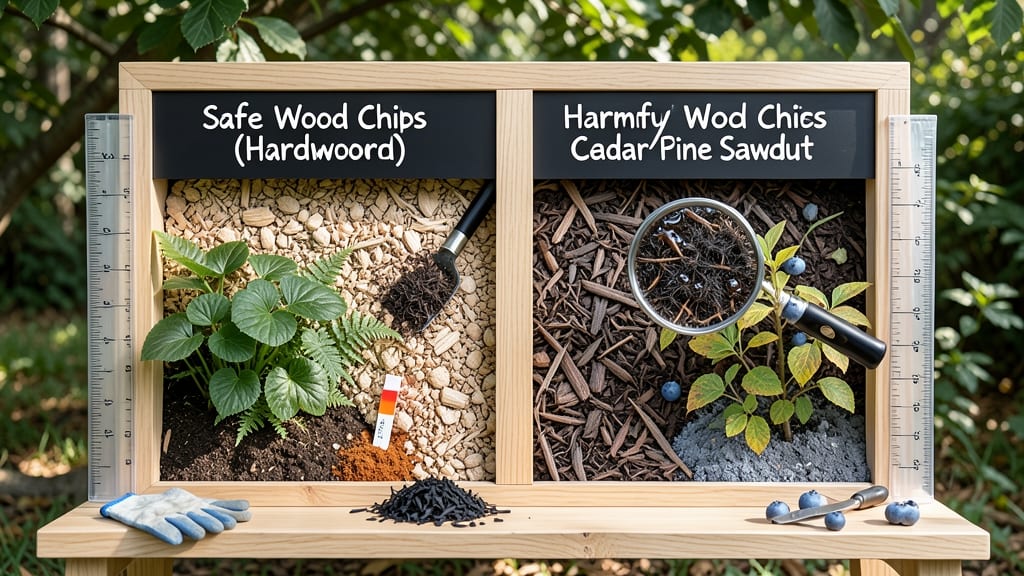
What kind of wood chips are bad for gardens because they release harmful compounds that contaminate soil and stunt plant growth? The worst offenders include creosote-treated lumber, arsenic-treated pressure wood, and chemically processed varieties.
These toxic wood chips can disrupt soil chemistry by altering pH levels and killing beneficial microbes, which leaves plants vulnerable to disease. 🌱 For example, creosote contains polycyclic aromatic hydrocarbons that persist in soil for years, while arsenic-treated wood slowly releases heavy metals that accumulate in edible plants.
Even "natural" woods like black walnut release juglone, a compound that inhibits seed germination and root growth in nearby plants.
When selecting mulch, look for certified untreated hardwood chips or pine varieties, which break down safely and improve soil structure over time. Always check with suppliers about sourcing practices—many commercial wood chips come from industrial byproducts that may still contain hidden chemicals.
💡 In This Article
- Toxic Wood Chips: Chemicals and Compounds to Avoid
- Safe Wood Chip Alternatives for Mulch and Soil Health
Toxic wood chips: chemicals and compounds to avoid
Creosote-treated wood chips are among the most dangerous for gardens because they contain polycyclic aromatic hydrocarbons (PAHs), which are known carcinogens. These chemicals don't just stay on the surface—they seep into the soil over time, persisting for years and disrupting microbial communities that are vital for plant health.
A single application of creosote-treated chips can raise soil toxicity levels to dangerous levels, stunting root growth and causing yellowing leaves in plants like tomatoes and peppers.
Arsenic-treated lumber, once commonly used for decks and outdoor furniture, poses another serious threat. The arsenic compounds leach into soil at a rate of about 0.1-0.5 mg per square foot per year, depending on soil moisture.
This slow release accumulates over time, particularly in edible plants where arsenic can concentrate in tubers and leafy greens. The EPA considers arsenic-treated wood a significant environmental hazard, especially near vegetable gardens or areas where children play.
Black walnut wood chips release juglone, a naturally occurring toxin that inhibits seed germination and root development in many plants. Juglone spreads through both water and soil contact, creating a 10-15 foot exclusion zone around black walnut trees.
Even small amounts in mulch can prevent crops like potatoes, tomatoes, and apples from thriving, while sensitive plants like azaleas and hydrangeas may develop brown leaf edges and stunted growth.
Oak and cedar woods also require caution when used as mulch. Fresh oak chips contain high levels of tannins that can lower soil pH to 4.5 or below, creating acidic conditions that harm most garden plants.
Cedar, while naturally rot-resistant, releases volatile oils that can inhibit fungal decomposition in compost piles and may irritate plant roots in high concentrations. These woods must be aged for at least 6-12 months before use to allow toxic compounds to break down.
Pressure-treated wood chips often contain copper-based fungicides that accumulate in soil over time. While not immediately toxic, these compounds can reach levels that inhibit beneficial mycorrhizal fungi—essential partners for plant root systems.
A study from the University of Florida found that copper concentrations from treated wood chips exceeded safe limits in garden soils after just two growing seasons, leading to reduced plant vigor in affected areas.
What makes these compounds particularly insidious is their cumulative effect. Even when used in small quantities, the chemicals don't degrade quickly in soil. For example, creosote's PAHs have a half-life of 10-30 years, meaning half the original toxicity remains after decades.
This long-term contamination explains why some gardeners report poor plant performance years after applying seemingly safe mulch.