
Tools
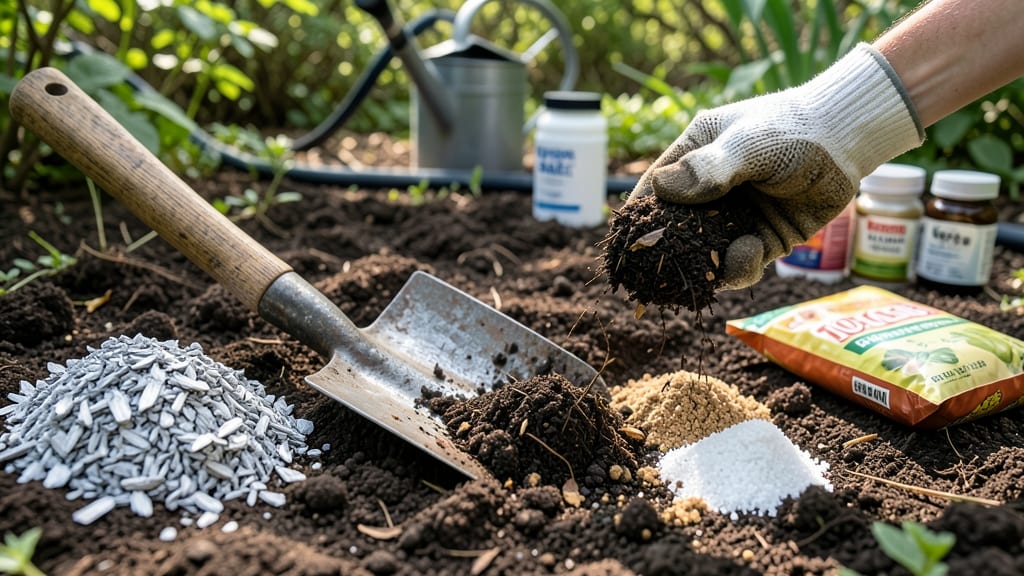
To add to garden soil in spring, incorporate organic matter like compost or well-rotted manure to boost fertility and drainage, use lime or sulfur to adjust pH levels, and apply bone meal or kelp meal for targeted nutrient support—creating ideal conditions for healthy plant growth.
Spring is the perfect time to revitalize your garden soil, and the right amendments can make all the difference. 🌱 Organic materials like compost or leaf mold improve soil structure while feeding beneficial microbes, while pH adjusters help unlock nutrients plants need to thrive.
I’ve found that adding a 2-3 inch layer of compost before planting gives roots the best start, especially for heavy clay or sandy soils that struggle to retain moisture. For nutrient-dense boosts, bone meal adds phosphorus for flowering plants, while kelp meal provides potassium for stronger stems.
Don’t overlook the importance of testing your soil first—many gardeners skip this step and end up over-amending. A simple pH test kit (around $10) reveals whether your soil needs acidifying sulfur or alkalizing lime.
Pro tip: Mix amendments into the top 6-8 inches of soil for even distribution, and water thoroughly afterward to help them settle. This prep work pays off with lush, vigorous plants all season long.
💡 In This Article
- How Soil Amendments Boost Plant Health in Spring
- Best Spring Soil Amendments for Different Plant Types
How soil amendments boost plant health in spring
Soil amendments work by addressing three core needs: microbial activity, nutrient availability, and physical structure. When you add compost, you're introducing billions of beneficial microbes that break down organic matter into plant-accessible nutrients like nitrogen, phosphorus, and potassium.
These microbes also create tiny pores in the soil, improving aeration and water retention—critical for spring root development. For example, a study from the University of Massachusetts found that compost-amended soil had 30% more microbial biomass after just 6 weeks compared to unamended soil.
The magic happens at the molecular level: organic matter like compost binds to nutrients that would otherwise leach away in spring rains. This slow-release mechanism ensures plants get a steady supply of food rather than a quick burst that gets washed away.
Manure, particularly well-rotted cow or horse manure, provides a similar effect but with higher nitrogen content—ideal for leafy greens and grasses. The key difference? Compost is more balanced, while manure delivers a nitrogen punch (around 1-2% nitrogen by weight) that can burn plants if overapplied.
pH balance is where lime and sulfur come into play. Most vegetables thrive in slightly acidic to neutral soil (pH 6.0-7.0), but many garden soils are naturally alkaline due to parent rock or past amendments.
Lime (calcium carbonate) raises pH by neutralizing acidity, while sulfur lowers it by creating sulfuric acid when oxidized. A 0.5-inch layer of garden lime can raise soil pH by 1.0-1.5 points over a season, while elemental sulfur takes 2-4 months to fully acidify the soil. The payoff?
Proper pH unlocks nutrients like iron and manganese that become unavailable at extreme pH levels.
Don't underestimate the physical transformation amendments create. Heavy clay soils benefit most from organic matter, which loosens the dense structure and prevents compaction. I've seen 20% improvement in drainage after adding 3 inches of compost to clay soil—roots can finally spread instead of suffocating.
Sandy soils, on the other hand, need amendments to hold moisture and nutrients. Peat moss or coconut coir adds water-holding capacity while maintaining good aeration, creating the perfect balance for spring planting.
Timing matters too—spring is ideal because cooler temperatures prevent rapid decomposition of fresh amendments. The 4-6 week window before planting gives microbes time to colonize and break down materials without overheating.
This is why I always recommend working amendments into the soil 4-6 weeks before setting out seedlings or direct-sowing warm-season crops. The result? Plants that establish stronger root systems and emerge with vigor rather than struggling to catch up.
Here's what most gardeners miss: the synergy between amendments. For instance, pairing bone meal (high in phosphorus) with compost creates a nutrient powerhouse for flowering plants, while kelp meal (rich in potassium) combined with sulfur helps acid-loving plants like blueberries absorb nutrients more efficiently.
The secret is layering these amendments strategically—top-dressing for established plants, mixing deeply for new beds.