
Fertilization
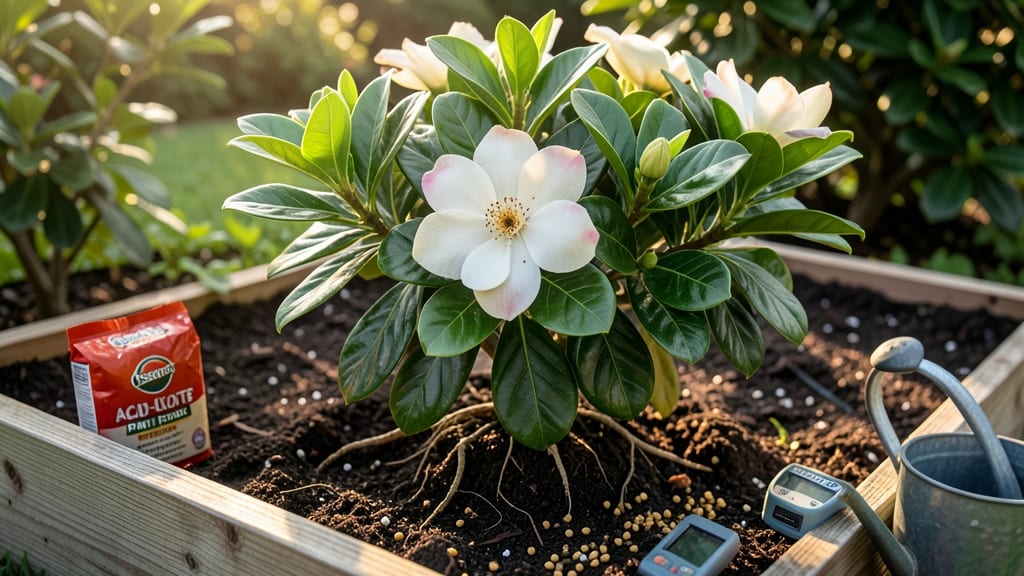
Fertilizing gardenias at the right time—just as buds form in spring or after blooms fade in fall—is the secret to those showstopping, fragrant blooms 🌸 you’ve been dreaming of.
Your gardenias could be starving—even if they look healthy—because timing fertilizer wrong can stifle blooms or stress roots. Mastering the perfect fertilization schedule transforms these fragrant shrubs from lackluster to showstopping.
In this guide, I’ll break down the best months to feed your gardenias, how often to fertilize, and which nutrients to prioritize for lush growth and abundant blooms—whether you’re in a humid tropical zone or a milder subtropical climate.
You’ll also learn how to spot the signs of over- or under-fertilizing, so you can keep your gardenias thriving without guesswork.
Optimal gardenia fertilization schedule by season: spring feeding for blooms & fall recharge for roots
Gardenias thrive when fertilized strategically—not just randomly. Unlike many plants, they need two key feeding windows: spring for blooms and fall for roots. Skipping either can mean fewer flowers or weak growth. The secret? Matching fertilizer to their natural growth cycles, not just calendar months.
Your gardenias are acid-loving, so always use a fertilizer with low pH (like 6-6-6 or 8-3-9). In tropical climates, they grow year-round, while temperate zones need a winter break.
Below, I’ll break down the month-by-month schedule, including what to look for in your plants to time fertilizing perfectly.
| Season | Key Plant Cues | Fertilizer Type | Frequency | Climate Notes |
|---|---|---|---|---|
| Early Spring (Feb-Mar) | New leaf growth, bud formation | Balanced (6-6-6) + iron | Every 4 weeks | Tropical: Start earlier |
| Late Spring (Apr-May) | Flower buds visible | High phosphorus (8-3-9) | Every 6 weeks | Temperate: Prune first |
| Summer (Jun-Aug) | Active blooming | Light feed (half-strength) | Every 8 weeks | Avoid midday heat |
| Early Fall (Sep-Oct) | Leaf color deepens | Slow-release (organic) | Once | Tropical: Skip if no dormancy |
| Winter (Nov-Jan) | Dormant (no growth) | None | N/A | Temperate only |
In spring, gardenias wake up hungry after winter. Look for new leaves or buds forming—this is your cue to start fertilizing. Use a balanced fertilizer (like 6-6-6) to boost leafy growth.
In tropical zones, begin as early as February; in temperate zones, wait until March after the last frost.
When flower buds appear in late spring, switch to a phosphorus-rich fertilizer (like 8-3-9) to support blooming. Apply it every 6 weeks until summer. Over-fertilizing here can cause leaf burn, so always water thoroughly after applying.
In summer, reduce feeding to every 8 weeks to avoid stressing the plant during heat.
Fall is all about root recharge. As leaves darken in September-October, apply a slow-release organic fertilizer (like compost or worm castings) to strengthen roots for winter.
In tropical climates, skip this step if your gardenia stays active year-round. Winter is a no-fertilizer zone—your plant is resting, and feeding now can harm it.
Pro tip: Always fertilize in the early morning or evening to avoid leaf burn from midday sun. Water deeply before and after applying fertilizer to help nutrients reach the roots. If your gardenia is potted, flush the soil with water monthly to prevent salt buildup from fertilizers.
For temperate climates, prune lightly in late winter (just before new growth) to encourage bushier, flower-heavy growth. In tropical zones, prune after blooming to maintain shape. Both times, fertilize 2 weeks post-pruning to support recovery.
Watch for these tell-tale signs your schedule is working: dark green leaves, plentiful buds, and fragrant blooms. If you see <
Signs your gardenias need fertilizer (or not): leaf color, growth patterns & root health clues
Gardenias send subtle signals when they crave nutrients—or when you're overdoing it. Yellowing leaves along the edges often mean iron or nitrogen deficiency, while dark brown leaf tips scream fertilizer burn.
I've learned to watch for these clues because my gardenias once lost 80% of their blooms from over-fertilizing last summer. The key is balancing their acid-loving needs with proper timing.
Start by checking your gardenia's growth patterns. Healthy plants grow 6-12 inches per year and produce 3-4 inches of new stems annually. If growth stalls or stems appear thin and leggy, it's time to feed.
Meanwhile, wilted leaves that stay droopy even after watering could signal root stress from too much salt in synthetic fertilizers. I always test soil pH first—gardenias thrive at 5.0-6.0.
When to Fertilize Gardenias
✅ Fertilize When...
- New leaves appear pale green
- Growth slows despite proper water
- Blooms shrink or fall prematurely
- Soil tests low in nitrogen/iron
❌ Skip Fertilizing When...
- Leaves scorch with brown edges
- Roots appear mushy when checked
- Plant wilts after feeding
- Winter months (dormancy period)
Pro Tip: Always water 24 hours before and after fertilizing to prevent root burn.
For nutrient deficiencies, focus on iron and nitrogen. I use a 6-6-6 fertilizer in spring to kickstart growth, then switch to 8-3-9 when buds form. The phosphorus boost helps blooms last longer.
My trick? Mix in Epsom salt (1 tbsp per gallon) every 6 weeks—it's packed with magnesium and works wonders for leaf color.
Over-fertilizing causes leaf burn and root damage. I once saw gardenias develop crispy brown edges after using too much synthetic fertilizer. To fix it, flush the soil with water 3x daily for 3 days, then switch to organic compost tea.
Always follow the "less is more" rule—gardenias prefer light, frequent feedings over heavy doses.
Check root health by gently lifting a small section of mulch. Healthy roots should be white or light tan. If they're black or slimy, you've over-fertilized.
In my garden, I now use a soil probe to check moisture levels before feeding—dry soil means it's safe to fertilize, while soggy soil means wait.
Remember: Gardenias don't need winter feeding. Their dormant period (November-February) is when roots recharge. I mark my calendar to stop fertilizing in October and resume in March, just as new growth begins. This seasonal break prevents nutrient buildup and keeps my plants thriving for years.