
Planting
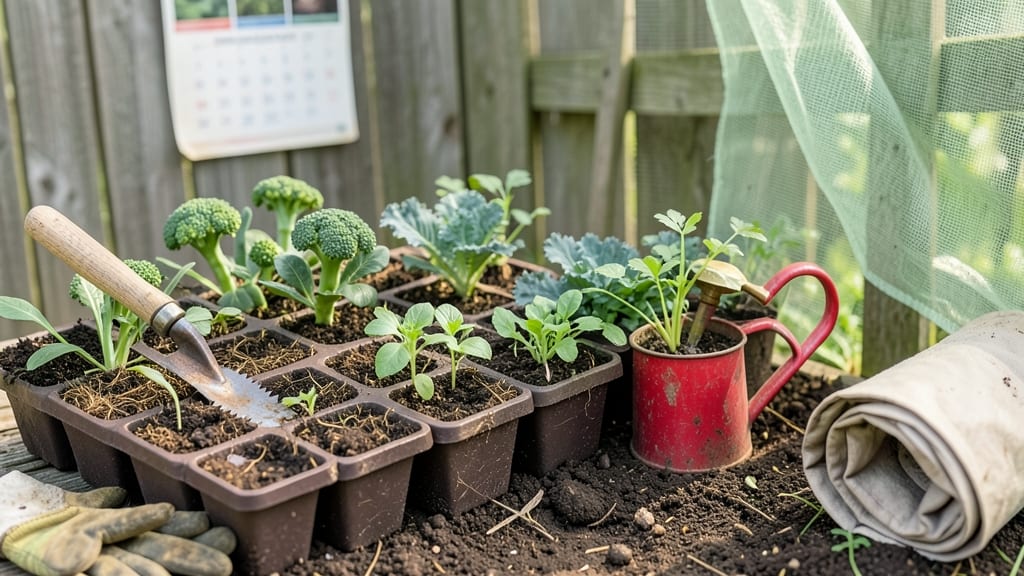
Planting a fall garden in Texas requires timing it right—late summer to early fall—so your crops thrive before the first frost hits.
Texas gardeners know timing is everything—plant too early, and your fall crops will wilt in the summer heat; too late, and frost ruins your harvest. But with Texas' diverse heat zones (from 8a to 10b), the perfect planting window varies dramatically—and missing it means wasted seeds and lost yields.
If you're in Zone 8a, you’ve got just 6–8 weeks before frost to get cool-season crops like broccoli and kale in the ground. Meanwhile, gardeners in Zone 10b can push their planting window later, focusing on heat-tolerant greens like collards and mustard.
Below, I’ll break down the exact planting dates for your zone, the best crops to grow, and critical mistakes to avoid—so you can enjoy a bountiful harvest without the stress.
Texas fall planting dates by heat Zone: exact weeks before first frost
Texas' fall planting calendar isn't one-size-fits-all—your USDA heat zone (8a through 10b) dictates the perfect window to start seeds or transplant seedlings. In Zone 8a, where first frosts can hit as early as November 15, you'll need to plant cool-season crops 6-8 weeks before frost.
Meanwhile, in Zone 10b, with rare frosts, you can extend planting into late October for heat-loving crops like sweet potatoes.
Understanding these exact weeks before frost ensures your plants mature before cold snaps. For example, broccoli and kale need 50-60 days to harvest, while okra and collard greens can handle longer growing seasons in warmer zones.
Let’s break down the ideal planting windows for each zone, so you can avoid the two biggest mistakes: planting too early (heat stress) or too late (frost damage).
The table below shows your fall planting timeline by zone, including heat-tolerant crops (plant 6-8 weeks before frost) and cool-season crops (plant 3-5 weeks before frost). Use this as your guide to maximize harvests before winter sets in.
In Zone 8a, where frosts arrive earliest, focus on fast-maturing crops like radishes (25 days) or turnips (30 days) to beat the cold. Meanwhile, Zone 10b gardeners can enjoy two harvests: one in late summer and another in winter.
For example, plant collard greens in early September for a fall harvest, then again in October for a winter crop.
Pro tip: Soil temperature matters just as much as frost dates. Most cool-season crops need soil temps below 80°F to germinate. Use a soil thermometer to check before planting
Best fall vegetables for Texas gardens (ranked by heat Tolerance & speed)
Texas' long growing season means you can grow fall vegetables that thrive in both heat and cooler temperatures. The key is choosing crops that match your USDA zone and planting them at the right time.
Some vegetables handle Texas' lingering summer heat better than others, while others prefer the crisp air of early fall.
I’ve ranked the top 10 fall crops by their ability to handle heat and their speed to maturity. High-heat performers like okra and sweet potatoes can be planted 6–8 weeks before your first frost, while cool-season stars like broccoli and kale do best when seeded 3–5 weeks before frost.
Below, you’ll find their success ratings in Texas conditions.
For high-heat performers, like okra and sweet potatoes, the goal is to get them in the ground early enough to establish roots before temperatures drop. These crops can handle 90°F+ days and even produce sweeter tubers when exposed to cooler nights.
I recommend planting these in late July to early August in most of Texas.
On the other hand, cool-season stars like broccoli and kale prefer temperatures below 75°F. These should be sown closer to your first frost date, typically in late August to early September.
If you’re in Zone 8a, aim for early September; in Zone 10b, you might extend planting into mid-October.
Pro tip: Use shade cloth for heat-sensitive crops if you plant too early. This buys you extra time to transition seedlings into cooler weather. For example, I’ve used 30% shade cloth on lettuce and spinach in late summer to prevent bolting.
Pair this with drip irrigation to keep roots cool and moisture consistent.
Don’t forget to amend your soil with compost before planting. Texas soils can be heavy clay or sandy, and fall crops benefit from organic matter to retain moisture and nutrients. I swear by a mix of aged