
Planting
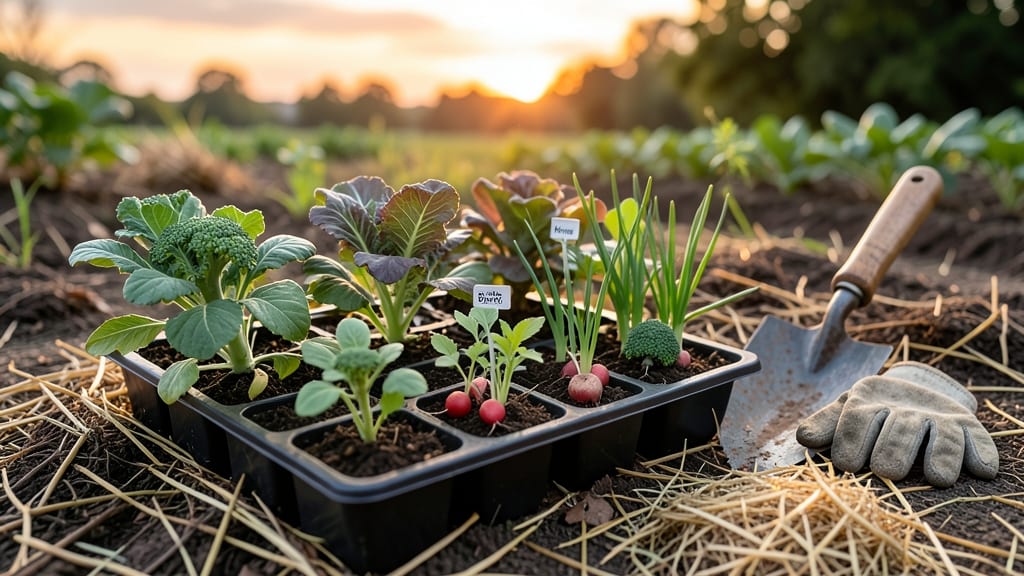
Planting a fall garden in Texas means timing your crops between late August and early October—when soil stays warm enough to avoid stunted growth but cool enough to escape the summer’s brutal heat.
Texas gardeners know that timing is everything—plant too early, and your fall crops face scorching heat; too late, and frost ruins your harvest. But with the right soil temperatures and regional last-frost dates, you can master the perfect planting window for a thriving autumn garden.
This guide breaks down the best planting windows by region, from North Texas’s cooler highlands to South Texas’s extended growing season, so you can choose the right crops and avoid common mistakes like overwatering or ignoring soil prep.
You’ll learn how to extend your harvest through winter, which vegetables thrive in Texas’s fall climate, and how to adjust for microclimates—because what works in Lubbock won’t always work in Houston.
Texas fall planting calendar: soil temperature & last-frost dates by region
Timing your fall garden in Texas depends on two key factors: soil temperature and last-frost dates. Most cool-season crops thrive when soil temps stay between 50°F and 85°F, while avoiding early frosts that can damage tender seedlings.
Texas' diverse regions—North, Central, and South—have different microclimates, so I've broken down the ideal planting windows for each.
North Texas (USDA Zones 7b-8a) typically sees its last frost between November 15 and December 15, while South Texas (Zones 8b-9a) rarely experiences frost. Central Texas (Zones 8a-8b) falls somewhere in between.
To maximize your harvest, aim to plant 6-8 weeks before your first expected frost—this ensures crops mature before cold snaps arrive.
Soil temperature is just as critical as frost dates. Use a soil thermometer to check temps before planting. Most cool-season vegetables like kale, carrots, and broccoli prefer soil between 50°F and 70°F. If temps exceed 85°F, seedlings may bolt or struggle to germinate. In hotter regions like South Texas, focus on heat-tolerant varieties or plant in shaded areas.
For North Texas, start planting cool-season crops in early August to ensure they mature before the first frost. Kale and broccoli are excellent choices—they tolerate light frosts and even taste sweeter after frost.
In Central Texas, you have a slightly longer window, so you can stagger plantings for a continuous harvest. Focus on leafy greens like spinach and lettuce, which grow quickly in cooler temps.
In South Texas, where frost is rare, you can plant almost year-round, but aim for September to October to avoid extreme summer heat. Opt for heat-tolerant varieties like Malabar spinach or Swiss chard, which thrive in warmer soil.
If you're in a coastal area, you might even extend your planting into early November without worrying about frost.
To prepare your soil, test its pH level (aim for 6.0-7.0 for most vegetables) and amend with compost or aged manure. Soil temperature drops faster in raised beds, so monitor them closely. If your soil cools too quickly, use black plastic mulch to retain heat and speed up germination.
Don’t forget to harden off seedlings before transplanting. If you're starting seeds indoors, move them outside for a few hours each day starting 2 weeks before planting. This helps them adjust to Texas sun and wind, reducing transplant shock.
For direct-sown crops like carrots, wait until soil temps are consistently below 80°F to prevent bolting.
Use row covers or low tunnels to extend your growing season. These simple tools can push back frost by 2-4 weeks, allowing you to grow cold-hardy crops like Brussels sprouts or cabbage well into winter.
Just remember to remove covers during the day to prevent overheating and pest buildup.
Finally, keep an eye on your local weather forecasts. Texas weather is unpredictable, and a sudden cold snap can catch you off guard. If frost is forecasted, cover tender plants with frost cloth or old blankets.
With the right timing and a little preparation, your fall garden can be just as productive as your spring one!
Best fall vegetables for Texas gardens & how to time their planting
Fall gardening in Texas rewards patience—cool-season crops thrive when planted at the right time, but the window is narrow. Start too early, and your seedlings bolt in the heat; too late, and frost steals your harvest.
The key is succession planting and choosing heat-tolerant varieties that handle Texas's lingering summer warmth while preparing for winter.
My top 10 cold-hardy vegetables for Texas fall gardens include leafy greens, root crops, and brassicas that perform well in 50–85°F soil. These crops not only survive but often produce sweeter flavors after a light frost.
For example, carrots and beets sweeten when exposed to cooler temps, making them perfect for autumn harvests.
Don’t overlook succession planting—this technique ensures a steady supply of fresh produce. For example, plant radishes every 2 weeks from September to November; they mature in just 25–30 days, giving you quick harvests. Similarly, bush beans and peas can be sown in early fall for a late-season boost.
To extend your harvests, invest in row covers or cold frames. These tools create microclimates that protect tender crops from light frosts (28–32°F) while allowing sunlight to penetrate. I’ve used floating row covers to keep spinach and lettuce growing well into January in my Zone 8a garden.
Finally, prioritize soil health before planting. Amend your soil with compost or aged manure to improve drainage and nutrient retention. Fall crops thrive in well-draining, slightly acidic soil (pH 6.0–7.0). Test your soil in early summer to give it time to adjust before planting season.
With the right timing and a few protective tools, your Texas fall garden can be just as bountiful as your spring one—without the summer heat stress. Start with these 10 cold-hardy crops, and you’ll enjoy fresh harvests well into winter! 🌱