
Plants
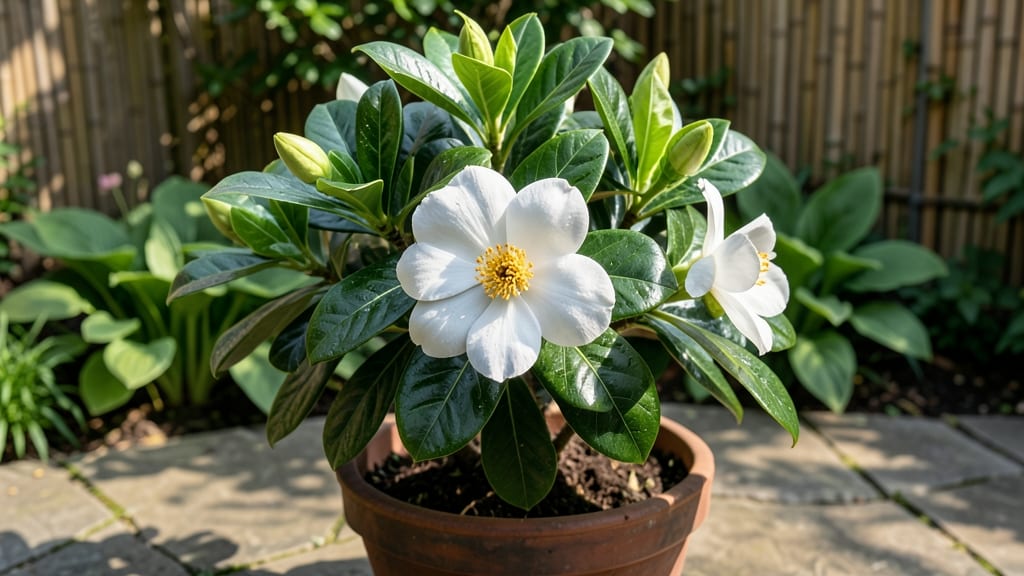
Gardenia plants bloom between late spring and early fall 🌸, when the right mix of warmth, sunlight, and care finally pays off with those iconic fragrant flowers.
If you’ve ever waited patiently for your gardenia to flower—only to be met with lush green leaves and no blooms—you’re not alone. The timing depends on more than just the calendar; climate, sunlight, and even soil pH play critical roles in triggering those sweet-smelling blossoms.
In USDA Zone 6a and warmer regions, gardenias typically burst into bloom from June through September, but cooler climates or improper care can delay or prevent flowering entirely. Understanding these seasonal triggers is the key to unlocking a gardenia’s full potential.
Below, I’ll break down the exact conditions that encourage blooming, regional variations, and simple fixes for when your gardenia seems stuck in leaf mode. Ready to turn those buds into fragrant flowers?
Gardenias bloom season: month-by-month timeline for fragrant flowers
Gardenias are famous for their creamy white, intensely fragrant blooms, but their flowering season varies dramatically based on your climate zone and growing conditions. In most regions, gardenias bloom from late spring through early fall, but tropical climates can enjoy year-round blooms with the right care.
Understanding these seasonal patterns helps you anticipate—and encourage—those sweet, intoxicating blossoms.
The ideal blooming window for gardenias in USDA zones 8-11 typically spans from May to September, with peak flowering in June and July. However, gardenias in cooler climates (zones 6-7) may only bloom from June to August, if at all.
Tropical gardenias (zones 10-11) can flower year-round with consistent warmth and humidity.
🌸
| Month | Blooming Activity | USDA Zone 8 | USDA Zone 9 | USDA Zone 10-11 |
|---|---|---|---|---|
| January | Dormant | No blooms | No blooms | Light blooms (tropical) |
| February | Dormant | No blooms | No blooms | Light blooms (tropical) |
| March | Bud formation | Bud set | Bud set | Moderate blooms |
| April | Early blooms | First flowers | Peak blooms begin | Heavy blooms |
| May | Peak blooms | Full bloom | Full bloom | Year-round blooms |
| June | Peak blooms | Full bloom | Full bloom | Year-round blooms |
| July | Peak blooms | Full bloom | Full bloom | Year-round blooms |
| August | Late blooms | Blooms taper | Blooms taper | Year-round blooms |
| September | End of season | Few blooms | Few blooms | Moderate blooms |
| October-December | Dormant | No blooms | No blooms | Light blooms (tropical) |
In USDA zone 8, gardenias typically begin forming buds in late March to April, with the first blooms appearing in May. The peak flowering period lasts from June through July, when temperatures are warm but not scorching.
By August and September, blooms start to taper off as the plant prepares for dormancy in cooler months.
Gardeners in USDA zone 9 enjoy a slightly extended blooming season, often seeing flowers from April through September. The warm winters in this zone allow for a longer growing season, and gardenias may even produce a few late-season blooms in October before entering dormancy.
Humidity also plays a key role here—low humidity can stress the plant and reduce flowering.
For those in tropical climates (zones 10-11), gardenias are a year-round bloomer if given the right conditions. With consistent warmth and high humidity, you can expect continuous blooms throughout the year.
However, even in tropical zones, blooming may slow slightly during monsoon seasons or periods of extreme heat, as the plant may enter a brief rest phase.
If you live in a cooler climate (zones 6-7), gardenias may only bloom for a shorter window, typically from June to August. In these regions, gardenias are often grown as container plants and brought indoors before the first frost. With proper care, you can still enjoy a
5 Key factors that trigger gardenia blooms (and how to control them)
If your gardenia plant is struggling to produce those signature fragrant white blooms, the issue likely stems from one of five critical factors: light exposure, temperature thresholds, humidity levels, soil pH, and pruning techniques.
Gardenias are finicky but rewarding—once you dial in these elements, you’ll see a dramatic improvement in flowering. Let’s break down each factor and how to adjust it for maximum blooms.
Gardenias thrive in specific environmental conditions that mimic their native tropical habitats. For example, they need bright, indirect light (like morning sun) and consistent humidity to form buds.
Skipping just one of these can delay blooming by months—or even prevent it entirely. The good news? Small tweaks in your care routine can make a huge difference.
-
1. Light Exposure
Gardenias need 4-6 hours of morning sun and afternoon shade to bloom. Too much direct sun scorches leaves, while too little light stunts bud formation. Place your plant near an east-facing window or under a lightly shaded patio. -
2. Temperature Thresholds
Ideal blooming temps are 65–75°F. Below 55°F, buds drop off. Use a space heater in winter or move potted plants indoors if temps dip. Avoid sudden temperature swings, which stress the plant. -
3. Humidity Requirements
Gardenias crave 50–70% humidity. In dry climates, mist leaves daily or use a pebble tray. Grouping plants together or using a humidifier near them also helps. Low humidity causes buds to abort. -
4. Soil pH
Acidic soil (pH 5.0–6.5) is a must. Test your soil with a pH kit and amend with peat moss or sulfur if needed. Alkaline soil locks out nutrients, leading to sparse blooms and yellow leaves. -
5. Pruning Techniques
Prune after flowering to shape the plant and encourage new growth. Cut back 1/3 of the oldest stems to promote bushier, more productive branches. Avoid heavy pruning in spring, as it removes potential bloom sites.
Let’s start with light exposure, the most overlooked factor. Gardenias need bright, indirect light to trigger bud formation. If your plant isn’t blooming, check its location: south-facing windows or full sun can burn leaves, while north-facing spots may not provide enough light.
A grow light on a timer (12–14 hours/day) can help indoor plants bridge the gap.
Next, temperature thresholds play a surprising role. Gardenias are sensitive to cold drafts and sudden chills. If your plant is in a USDA zone 8 or below, protect it with a frost cloth in late fall.
Even a 5°F drop can cause buds to drop off. In warmer zones, ensure good air circulation to prevent fungal issues that stress the plant.
Humidity is another game-changer. Gardenias native to tropical regions hate dry air. If your home’s humidity drops below 50%, you’ll see fewer blooms. Try placing a humidifier nearby or grouping plants together to create a microclimate.
For outdoor gardenias, mulch the soil to retain moisture and raise humidity around the roots.
Don’t overlook soil pH, which directly impacts nutrient uptake. Gardenias thrive in acidic soil (pH 5.0–6.5). If your soil is alkaline, amend it with pine needles, coffee grounds, or sulfur.
A simple soil test kit (under $10) will tell you what adjustments are needed. Healthy roots mean more energy for blooming!
Finally, pruning techniques can make or break your gardenia’s flowering. Prune right after blooming season (late summer/early fall) to remove dead or weak growth. Avoid cutting into old wood, as this reduces next year’s bloom potential. A light trim encourages new, vigorous shoots that produce more flowers.