
Fertilization
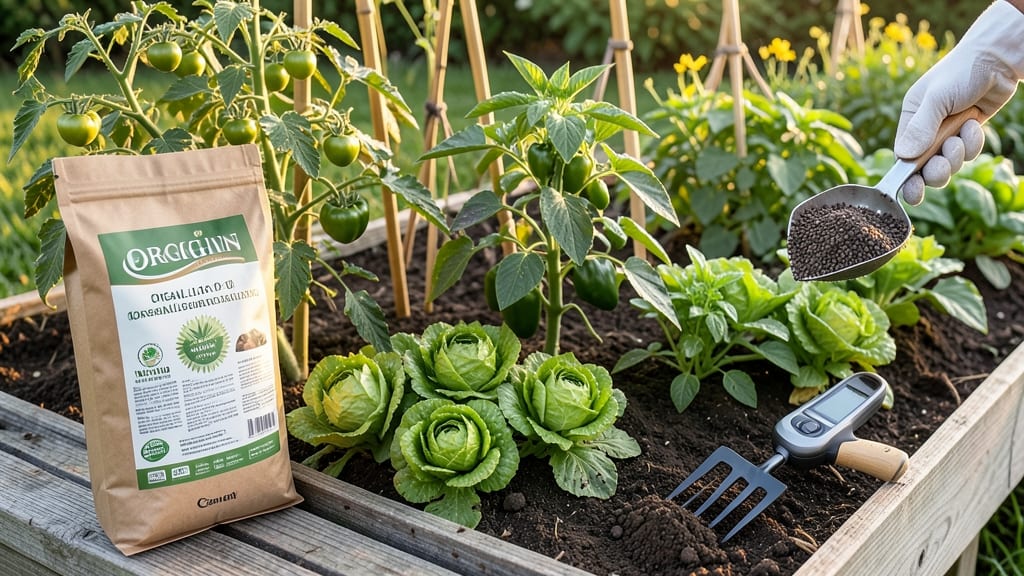
Fertilizing your garden at the right times is the difference between lush, thriving plants and struggling ones that never quite reach their potential.
Timing your garden fertilization isn’t just about throwing down nutrients—it’s about giving your plants the right fuel at the right moment to maximize growth and avoid wasting resources. One wrong move, and you could burn roots or attract pests instead of boosting blooms.
In Zone 6a, where spring arrives around mid-April and frost lingers until late October, the window for feeding your 🌱 garden shifts dramatically. Early spring calls for a light touch to wake up dormant roots, while summer demands frequent feedings to keep up with hungry blooms and fruit.
But skip the winter months entirely—your plants aren’t ready for it, and neither is your soil.
Below, I break down the exact seasonal cues for vegetables, flowers, and lawns, how to read your soil test results to avoid overdoing it, and the one mistake that ruins more gardens than any other. Let’s get your timing right.
The science-backed fertilization timeline by plant type and season
Fertilizing your garden at the wrong time can leave your plants hungry or stressed. The key is understanding plant life cycles and seasonal growth patterns. For example, cool-season crops like lettuce thrive with early spring fertilization, while warm-season tomatoes need nutrients after soil warms to 60°F (15°C).
Soil temperature thresholds often dictate when to start—most plants won’t respond until roots can actively absorb nutrients.
Perennials and shrubs have different needs than annuals or vegetables. Perennials benefit from a spring feed as they emerge, while vegetables often need a mid-season boost. Lawns follow their own rhythm: early spring for grass revival and late summer for fall color.
Without timing it right, you risk nutrient runoff, burned roots, or wasted fertilizer.
Soil testing is your secret weapon. A simple test reveals NPK ratios and pH levels, helping you adjust fertilization schedules. For instance, acid-loving blueberries need a low-pH fertilizer applied in early spring, while alkaline-loving lavender thrives with a high-pH boost in late winter.
Skipping this step means guessing—and guessing often backfires.
Here’s a quick-reference table for seasonal fertilization by plant type, tailored to USDA Zone 6a (adjust for your climate). Use it to align your feeding schedule with your garden’s natural rhythm.
For vegetables, timing matters most during their active growth phase. For example, tomatoes need a balanced fertilizer at planting and again when they set fruit. Leafy greens, however, respond better to low-nitrogen feeds in early spring.
The rule of thumb? Fertilize when you see new growth, not just on a calendar.
Lawns are trickier—over-fertilizing in late summer can lead to winterkill in colder zones. Instead, focus on early spring to jumpstart growth and late summer to strengthen roots before winter. Cool-season grasses like fescue need fall fertilization, while warm-season grasses like Bermuda thrive with spring and summer feeds.
Perennials like roses or daylilies should get their first feed when you see new shoots emerge in spring. A second application in late summer encourages blooms next year. Herbs, such as basil or cilantro, benefit from a light feed at planting and again when they bolt.
Overdoing it leads to bitter flavors.
Regional adjustments are critical. In warmer climates (Zones 8-10), fertilization can extend into late fall, while colder zones (Zones 3-5) may need to stop by early September.
Always check your last frost date—fertilizing too late can stimulate tender new growth that won’t survive winter. Soil temperature is your best guide: roots won’t absorb nutrients until
How to read your soil test results and adjust fertilizer timing
Your soil test results are like a nutrition label for your garden—they tell you exactly what your plants need to thrive. Understanding NPK ratios, pH levels, and micronutrient deficiencies is the first step to creating a fertilization plan that works for your specific soil type and plant needs.
Without this knowledge, you might be over- or under-feeding your garden, leading to wasted money or stunted growth.
Start by examining the NPK numbers (Nitrogen-Phosphorus-Potassium) on your test report. These numbers indicate the percentage of each nutrient in your fertilizer. For example, a 10-10-10 fertilizer means equal parts nitrogen, phosphorus, and potassium.
If your test shows low nitrogen, you’ll want to prioritize fertilizers with higher first numbers, like 20-5-10, to boost leafy growth. For flowering plants, a higher phosphorus number, like 5-10-5, will encourage blooms.
Next, check your soil’s pH level. Most vegetables prefer a slightly acidic to neutral pH between 6.0 and 7.0, while blueberries and azaleas thrive in acidic soil (pH 4.5-5.5). If your pH is off, you’ll need to adjust it before adding fertilizer.
For example, if your soil is too alkaline, adding elemental sulfur will lower the pH, while lime raises it for acidic soils.
⚠️ callout-warning ⚠️
⚠️ Fertilizer Timing Mistakes to Avoid
Don’t fertilize when soil is frozen or waterlogged—roots can’t absorb nutrients, and excess salts build up. Skip fertilization in winter unless you’re planting cool-season crops like kale or spinach. For spring planting, wait until soil warms to 50°F (10°C) before applying fertilizer. Over-fertilizing in summer can burn roots and attract pests like aphids. Always water deeply 24 hours before and after applying fertilizer to help nutrients absorb properly.
Micronutrients like iron, manganese, and zinc are often overlooked but critical for plant health. If your soil test shows deficiencies, consider using chelated micronutrients or organic amendments like compost tea or fish emulsion.
For instance, yellowing leaves between veins often signal iron deficiency, which can be corrected with a foliar spray of iron sulfate.
Once you’ve addressed deficiencies, align your fertilization schedule with your plants’ growth stages. For example, vegetables like tomatoes and peppers need a high-potassium fertilizer during fruiting, while lawns benefit from a slow-release nitrogen in early spring and fall.
Use a balanced fertilizer (like 10-10-10) at planting time to give plants a strong start, then switch to a higher-phosphorus formula when blooms appear.
Finally, adjust your timing based on seasonal cues. In spring, focus on root development with a light nitrogen feed. During summer, prioritize water-soluble fertilizers to replace nutrients lost through heavy watering.
In fall, reduce fertilization for perennials to encourage hardier growth next year. By reading your soil test like a pro, you’ll create a fertilization plan that keeps your garden thriving year-round.