
Planting
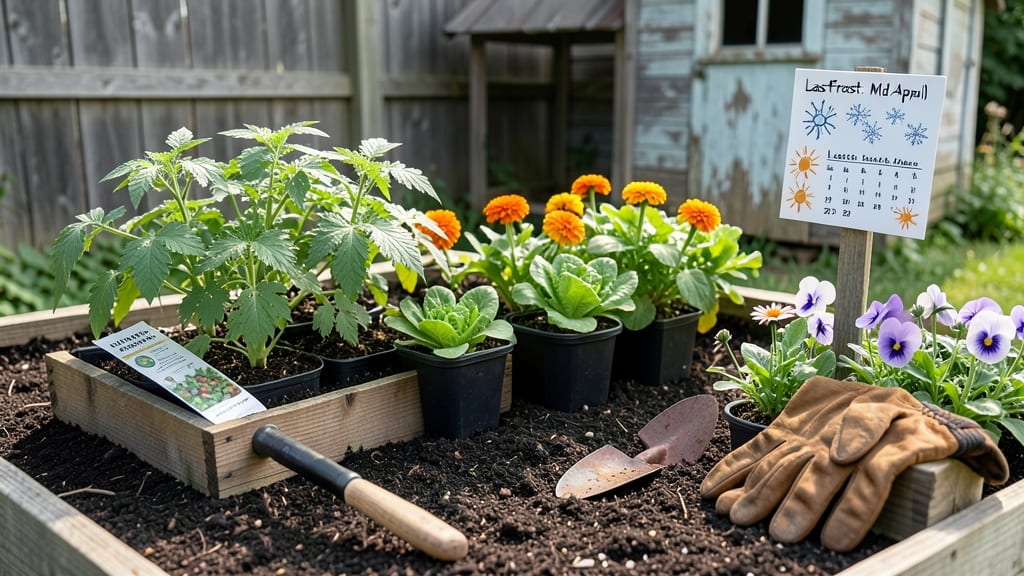
Should you plant your Maryland garden in late March or wait until May? Timing makes all the difference for avoiding frost and maximizing your harvest.
Maryland gardeners know timing is everything—plant too early and risk frost damage, too late and miss peak harvests. Understanding your last frost dates by plant type is the key to a thriving garden, whether you're growing tomatoes, herbs, or cool-season greens.
From Baltimore’s USDA Zone 7a to the Eastern Shore’s Zone 7b, frost dates shift by weeks. Cool-season crops like spinach thrive when planted in early spring, while tomatoes need to wait until after May 15 in most areas.
In this guide, I’ll break down the best planting windows for your region, share pro tips for extending the season, and help you avoid common mistakes that waste time and money.
Maryland last frost dates by region: when to start planting
Maryland's last frost dates vary dramatically by region, from the Eastern Shore's coastal moderation to Western Maryland's colder mountain valleys. These dates determine when to plant warm-season crops like tomatoes and peppers, versus cool-season greens that thrive in early spring.
Understanding your specific USDA zone (5b-7a) ensures you don't risk frost damage to tender seedlings.
For most of Maryland, the average last frost date falls between mid-April and early May, but exact timing depends on your location. Baltimore and DC Metro typically see their last frost around April 15-20, while Western Maryland (like Frederick) can experience late frosts until May 5.
The Eastern Shore enjoys earlier warm-ups, often by April 1-10.
Here's how Maryland's regions break down for planting:
In USDA Zone 7a (covering most of Maryland), you can start planting warm-season vegetables like tomatoes and peppers 2-3 weeks after your average last frost date.
For example, if your last frost is April 15, begin planting tomatoes around May 5 to ensure they establish roots before summer heat arrives.
For cool-season crops, timing is equally critical. Leafy greens like spinach and kale can handle light frosts and should be sown 4-6 weeks before your last frost date.
In Baltimore, that means starting seeds indoors by February 15 for an outdoor transplant by March 15. The Eastern Shore's earlier frost dates allow for even earlier plantings.
Remember that microclimates play a role—low-lying areas may frost later, while south-facing slopes warm up faster. Use a local frost date calculator or check with your county extension office for precise data.
I've planted tomatoes in my Zone 7a garden as early as April 25 using row covers, but always have backup dates for when to replant if frost strikes.
Protecting tender seedlings with frost cloth can extend your planting window by 1-2 weeks, especially in Western Maryland's colder zones. This is particularly useful for peppers and eggplants, which need consistent warmth to thrive.
I've successfully grown peppers in Frederick by starting them indoors in March and transplanting after May 10, using black plastic mulch to warm the soil.
First frost dates matter just as much—knowing when to harvest or protect your garden is crucial. In Maryland, the first frost typically occurs between October 15-30, with Eastern Shore areas holding off until November 1.
This timing helps determine when to plant fall crops like broccoli and carrots for a late-season harvest.
For container gardeners, smaller microclimates mean you can often plant 1-2 weeks later than in-ground gardens, as pots warm up faster. I've grown basil in containers on my Baltimore patio until October 15 by moving them to a sheltered spot at night.
Just be prepared to bring tender plants indoors if frost threatens.
Track your own frost dates for 3-5 years to create a custom planting schedule—Maryland's climate can shift yearly. I keep a garden journal noting when my tomatoes finally survive frost, helping me adjust future planting dates.
With this regional guide, you'll be ready to start planting with confidence, whether you're in coastal Zone 7b or mountainous Zone 6b.
Best planting schedule for Maryland gardens: cool vs. warm-season crops
Maryland's four distinct seasons create the perfect balance for both cool-season crops and warm-season vegetables. The key is knowing when to plant each type to avoid frost damage or missed harvests.
For example, spinach and kale thrive in Maryland's early spring, while tomatoes and peppers need to wait until after the last frost date, typically mid-April to early May.
Your planting schedule should account for Maryland's USDA zones 5b-7a, which means first frost can arrive as early as October 15th in northern regions or linger until November 15th in southern areas.
This variation affects when you can safely plant warm-season crops like squash and corn—some varieties even need to be started indoors 6-8 weeks before the last frost.
Comparison Table: Maryland Planting Schedule by Season
For cool-season crops, I recommend starting with hardy greens like spinach and kale in early March.
These can handle Maryland's light frosts and even taste sweeter after a cold snap. Succession planting is your best friend here—sow new rows every 2-3 weeks to ensure a steady harvest until summer heat sets in.
When it comes to warm-season crops, patience is key. Wait until the soil temperature reaches at least 60°F before planting tomatoes, peppers, and cucumbers. In Maryland, this typically happens around mid-May in northern areas and early May in southern regions.
Use black plastic mulch to warm the soil faster if needed.
Don't forget about fall planting! Many cool-season crops like broccoli and carrots can be sown in late August for a fall harvest. Just be sure to use row covers if frost threatens early.
With this schedule, you can enjoy fresh homegrown vegetables from spring through fall—no grocery store needed! 🌱