Planting
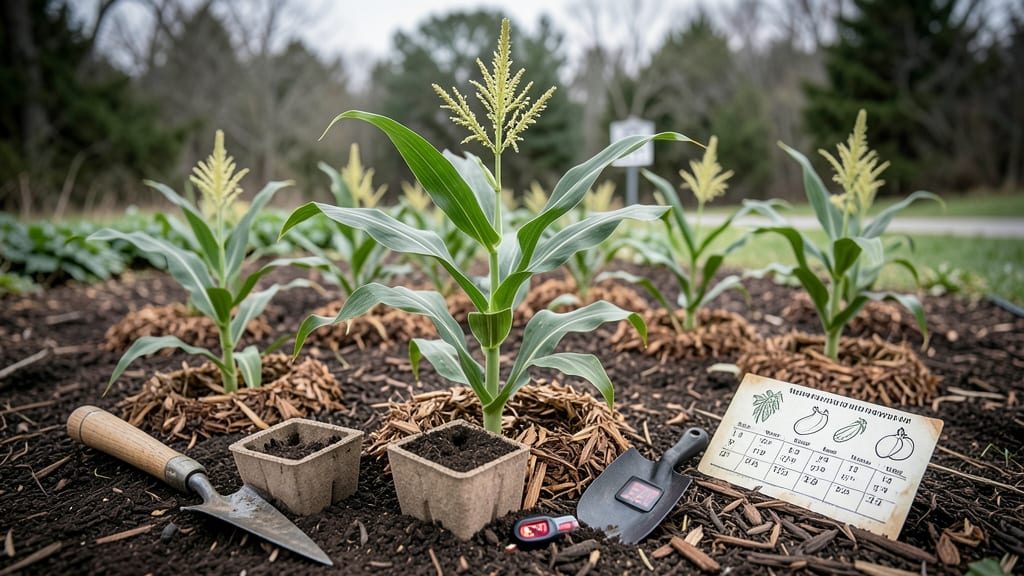
To plant a garden in Nebraska, time your crops by the last frost date—typically mid-April for most regions, but with big differences between the Panhandle and Southeast.
Nebraska’s unpredictable spring weather can turn a gardener’s excitement into frustration if you plant too early—or too late. Timing your garden correctly means the difference between thriving tomatoes and wilted seedlings, so knowing the last frost dates by plant type is your secret weapon for a bountiful harvest.
Cool-season crops like spinach and peas need a head start, while warm-season favorites such as tomatoes and peppers wait until after the frost risk has passed. Missing these windows can leave your 🌱 General Nebraska Garden struggling in the heat or cold.
Below, I break down the exact planting windows for your zone, how to adjust for microclimates, and the tools to fine-tune your schedule—so you can start strong and keep harvesting all summer.
Nebraska last frost dates by region: when to plant cool-season vs warm-season crops
Nebraska’s diverse geography creates four distinct frost zones, each with unique last frost dates that determine when to plant your garden. Whether you're in the dry Panhandle or the humid Southeast, knowing these dates helps you avoid frost damage to tender seedlings.
The average last frost ranges from early April in the south to late April in the north, but microclimates can shift these windows by weeks.
Cool-season crops like spinach, peas, and lettuce thrive in Nebraska’s early spring and fall when temperatures are mild. These plants can handle light frosts, so you can start them 4-6 weeks before your region’s last frost date.
Warm-season crops—think tomatoes, peppers, and cucumbers—need soil temperatures above 60°F and should wait until 2-3 weeks after the last frost to avoid stunted growth.
| Region | Last Frost Date | Cool-Season Planting Window | Warm-Season Planting Window | Microclimate Tips |
|---|---|---|---|---|
| Panhandle (USDA 4b-5a) | April 20–May 5 | March 15–April 15 | May 10–June 1 | Use row covers for early starts; windbreaks help protect seedlings. |
| West Central (USDA 5a-5b) | April 10–April 25 | March 1–April 10 | April 25–May 10 | Soil warms faster in open fields; monitor for early planting. |
| East Central (USDA 5b-6a) | April 5–April 20 | February 28–April 5 | April 20–May 5 | Low-lying areas frost later; hillsides warm sooner. |
| Southeast (USDA 6a-6b) | March 30–April 15 | February 15–March 30 | April 15–April 30 | Humidity delays frost; extend season with black plastic mulch. |
If you’re planting cool-season crops like broccoli or kale, start seeds indoors 6-8 weeks before your last frost date. For warm-season crops, wait until the soil temperature consistently stays above 60°F.
Use a soil thermometer to check—this is especially critical in Nebraska’s dry western regions, where soil heats up faster than in the east.
For fall planting, aim to sow cool-season crops 90-120 days before your first frost date (usually October 10–20). This gives plants time to mature before winter sets in.
In the Panhandle, where first frosts can arrive as early as September 20, prioritize fast-maturing varieties like radishes or bush beans.
Microclimates play a huge role in Nebraska. A south-facing slope might warm 1-2 weeks earlier than a north-facing valley. Urban areas can also be 5°F warmer than rural zones due to heat islands.
To adjust, observe your yard: if neighborhoods nearby have different frost patterns, use those as guides.
Protect tender seedlings with frost cloth or row covers if nighttime temps dip below 32°F. This buys you 2-3 extra weeks of planting time for crops like cucumbers or basil.
In my own garden, I’ve used black plastic mulch to warm soil faster in early spring, helping tomato plants establish roots sooner.
Don’t forget about succession planting! For crops like lettuce or carrots, sow new seeds every 2-3 weeks after your last frost date. This ensures a continuous harvest throughout the summer. In Nebraska’s shorter growing season, this strategy maximizes your yield.
Finally, keep
How to use frost date calculators and local weather tools for precision planting
Nebraska’s last frost dates can shift dramatically between regions, so relying on outdated almanacs or guesswork is a recipe for disaster. Instead, I turn to real-time weather tools to pinpoint the best time to plant my garden.
These tools account for microclimates, soil temperature fluctuations, and even the quirks of your specific neighborhood—giving you planting dates tailored to your yard, not just your ZIP code.
Start with the Nebraska State Climate Office’s frost date calculator, which breaks down average last frost dates by county. For example, Lincoln’s last frost typically lands around April 15, while Omaha’s might be a week earlier.
But don’t stop there—these averages are just a starting point. Combine them with local CoCoRaHS stations (Community Collaborative Rain, Hail & Snow Network) for hyper-local data on temperature swings and frost risks.
- Step 1: Check the Nebraska State Climate Office for your county’s historical frost dates. Bookmark their interactive map for quick access.
- Step 2: Cross-reference with CoCoRaHS to see if your area has recent frost events outside the norm. Their real-time reports reveal hidden frost pockets in your neighborhood.
- Step 3: Use the Old Farmer’s Almanac for long-range forecasts, but treat it as a supplement—not your sole guide. Look for their “Planting Moon” guides for traditional timing cues.
- Step 4: Test soil temperature with a soil thermometer. Most warm-season crops (like tomatoes) need soil at 60°F+, while cool-season crops (like peas) thrive at 40-50°F.
- Step 5: Adjust for microclimates. South-facing slopes warm faster, while low-lying areas hold frost longer. If you’re unsure, plant test rows of fast-growing crops (like radishes) to gauge safety.
One of my biggest mistakes early on was ignoring soil temperature—I planted tomatoes based on air temperature alone, only to watch my seedlings rot in 50°F soil. Now, I always test soil temp for 3-5 days before planting.
A $10 soil thermometer from your local garden center is a game-changer for avoiding this pitfall. Pair it with a weather app like Weather Underground, which tracks hourly temperature shifts and alerts you to sudden drops.
Don’t forget about fall planting, either. The first frost date (typically October 15 in Nebraska) signals the end of the growing season—but it’s also your cue to plant hardy crops like kale, spinach, and garlic.
Use the same tools to track fall frost trends and adjust your timeline. For example, if CoCoRaHS shows an early frost risk, I’ll plant garlic in September instead of October to ensure it establishes roots before winter.
Finally, document your own data. Keep a garden journal noting when you plant, when frost hits, and how your crops perform. Over time, you’ll spot patterns—like how your east-facing bed stays frost-free a week longer than the rest of the yard.
This personal record becomes your most reliable planting guide over the years.
With these tools in hand, you’ll never second-guess your planting dates again. Trust me, your tomatoes will thank you—and so will your morning coffee harvest if you’re growing herbs! ☀️🌱