
Fertilization
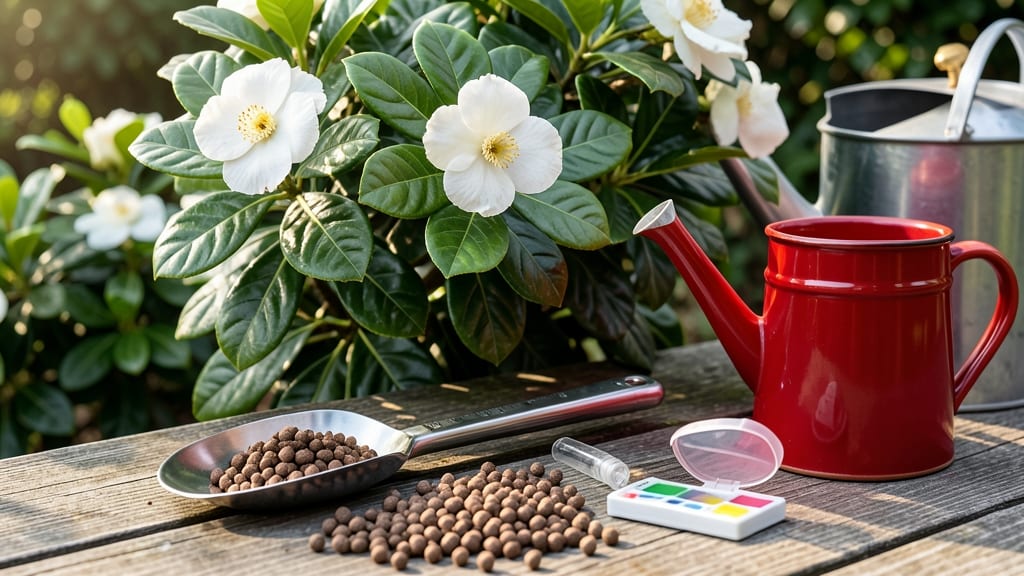
Fertilizing gardenias in Florida at the right time is the secret to those fragrant blooms you’ve been dreaming of year-round.
Florida’s warm climate lets gardenias bloom nearly year-round—but without the right fertilization timing, their fragrant flowers can become sparse and weak. Mastering the perfect schedule ensures lush growth and nonstop fragrance, whether you’re a seasoned gardener or just starting with these tropical favorites.
Unlike cooler climates, Florida’s 8a-11 zones mean gardenias grow almost nonstop, but their needs shift with the seasons. Too much fertilizer in summer can scorch leaves, while skipping it in spring means fewer blooms.
I’ll break down the exact months to feed, the best fertilizer types for Florida’s soil, and how to spot when your 🌸 gardenias are begging for nutrients.
By the end, you’ll know exactly when to fertilize—so you can enjoy blooms from spring to fall without the guesswork.
Best fertilization schedule for Florida gardenias by season
Florida’s year-round growing season creates the perfect conditions for gardenias to bloom continuously—but only if you fertilize at the right times. Unlike northern climates, Florida’s warm winters and humid summers mean gardenias stay active almost always, requiring a season-specific approach to avoid overfeeding or nutrient burnout.
Gardenias thrive on a balanced fertilization schedule that aligns with their natural growth cycles. In Florida, this means heavy feeding in spring to fuel blooming, light maintenance in summer to prevent stress, and complete rest in fall/winter when growth slows.
Skipping this rhythm often leads to fewer blooms or yellowing leaves, even in Florida’s ideal climate.
Key rule: Always fertilize with an acid-loving plant formula (pH 5.0-6.0) and apply in early morning after watering to prevent root burn. Florida’s sandy soil drains quickly, so slow-release fertilizers work best to avoid nutrient loss.
⚠️ PRO TIP: Test your soil’s pH before fertilizing—gardenias hate alkaline soil. If your soil tests above 6.5, amend with sulfur or peat moss before applying fertilizer.
| Season | Months | Fertilization Goal | Frequency | Fertilizer Type | Notes |
|---|---|---|---|---|---|
| Spring | March-May | Pre-bloom boost | Every 4 weeks | 8-4-8 or 10-5-20 | Start when buds form |
| Early Summer | June-July | Bloom maintenance | Every 6 weeks | Half-strength feed | Reduce in heatwaves |
| Late Summer | August-September | Light recovery | Every 8 weeks | Organic compost tea | Avoid synthetic feeds |
| Fall/Winter | October-February | Dormancy care | None | N/A | Focus on mulching |
In spring (March-May), gardenias wake up from their mild Florida dormancy and need a heavy feeding schedule to produce buds. Apply a balanced acid fertilizer (like 8-4-8) every 4 weeks starting when you see new growth or bud formation.
This is when gardenias build energy for blooms, so don’t skip doses—even Florida’s mild winters can slow growth.
By early summer (June-July), gardenias are in full bloom, but Florida’s humidity and heat can stress plants. Switch to a light feed every 6 weeks or use half-strength fertilizer to prevent leaf burn.
If your gardenia’s leaves yellow or droop, it’s often a sign of over-fertilization in the heat.
As summer progresses into late August-September, gardenias may show signs of nutrient fatigue. Instead of synthetic feeds, switch to organic compost tea or fish emulsion every 8 weeks. This helps replenish micronutrients without shocking the plant as temperatures drop slightly.
From October through February, gardenias enter a light dormancy in Florida’s cooler months. This is the only time you should completely skip fertilization. Instead, focus on mulching with pine bark to maintain soil acidity and water deeply but infrequently (every 5-7 days).
💡 EXPERT TIP: If your gardenia blooms heavily in fall or winter (common in South Florida), give it a single light feed in December to support late-season flowers—but stop by January to let the plant rest before spring’s
How to choose the right fertilizer for gardenias in Florida’s climate
Florida’s sandy soil and humid climate demand a specialized approach to fertilizing gardenias. These tropical shrubs thrive on low-nitrogen, acid-loving formulas that mimic their natural habitat. The wrong fertilizer can lead to leaf burn, sparse blooms, or even plant decline—especially in our nutrient-poor soils.
Let’s break down the best options to keep your gardenias fragrant and flourishing year-round.
Most gardeners struggle with two key decisions: organic vs. synthetic fertilizers and the ideal NPK ratio for blooms. Florida’s heat accelerates nutrient depletion, so choosing the right type matters more than you might think.
A balanced, slow-release fertilizer (like azalea/camellia blends) is my top recommendation, but organic options can work too—if used correctly. Let’s weigh the pros and cons to help you decide what’s best for your garden.
Organic Fertilizers for Gardenias
- Slow release feeds roots gradually
- Improves soil structure over time
- Safe for micronutrient balance
- Less risk of leaf burn
- Requires frequent applications (every 4-6 weeks)
- May need supplemental iron for yellowing leaves
- Slower results for bloom production
Synthetic Fertilizers for Gardenias
- Fast-acting for quick bloom boosts
- Precise NPK control (e.g., 8-4-8 ratio)
- Works well in sandy Florida soil
- Longer-lasting slow-release formulas available
- Risk of over-fertilization (leaf burn)
- Can disrupt soil pH over time
- Requires careful measurement (1 tbsp per plant)
For Florida gardenias, I recommend a low-nitrogen fertilizer with an NPK ratio like 8-4-8 or 10-5-20. The key is the second number (phosphorus), which promotes blooms. Avoid high-nitrogen formulas (like lawn fertilizers), as they encourage leafy growth at the expense of flowers.
Florida’s heat also means you’ll need to reapply every 4-6 weeks during the growing season (March–September).
Don’t overlook micronutrients like iron and magnesium, which are critical in Florida’s sandy soil. Organic options like fish emulsion or cottonseed meal can help, but synthetic chelated iron sprays work faster for correcting yellowing leaves.
Always water your gardenias deeply before fertilizing to prevent root burn—especially in our hot, dry summers.
One common mistake I see is over-fertilizing in summer. When temperatures exceed 90°F, gardenias go dormant to conserve energy. Cut back to light feeding (every 8 weeks) and focus on keeping the soil moist.
In fall and winter, skip fertilizing entirely—your plant is resting, and extra nutrients can harm it. Pay attention to your gardenia’s growth signals rather than sticking to a rigid schedule.
If you’re unsure which fertilizer to choose, start with a slow-release, acid-loving blend designed for azaleas or camellias. These are formulated for Florida’s conditions and won’t overwhelm your gardenias. For organic gardeners, composted pine bark or peat moss can improve soil acidity while providing nutrients.
Just remember: less is more—Florida’s climate is forgiving, but your gardenias will reward you with nonstop fragrance when you get the fertilization right. 🌸