
Picking
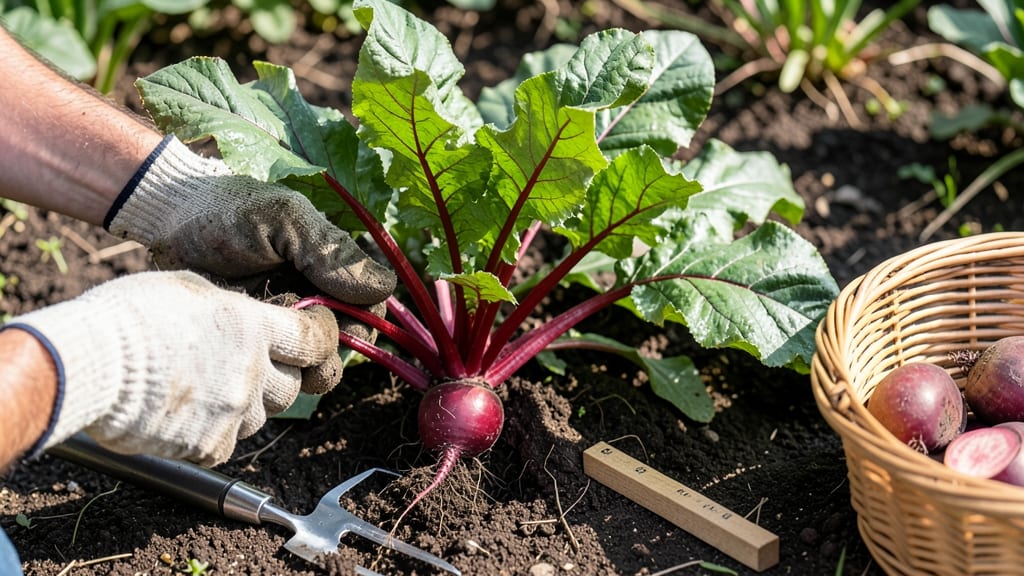
Harvesting beets from your garden at the right time turns earthy roots into sweet, tender treats 🍠 — and missing that window means tough, bitter results.
You’ve spent weeks nurturing your beets, but how do you know when they’re truly ready? The answer lies in three simple cues: size, color, and leaf health. Skip these, and you might end up with roots that are either too small or woody.
In this guide, I’ll break down the exact signs to watch for—from the ideal diameter to vibrant leaf colors—and how seasonal shifts can affect your timing. By the end, you’ll never second-guess whether your beets are ready to pick again.
Whether you’re growing baby beets for salads or full-sized roots for storage, these tips will help you maximize flavor and avoid common mistakes that ruin your harvest.


3 Color cues to harvest beets at peak sweetness
Harvesting beets at the right time transforms your garden into a treasure trove of sweet, tender roots. The key? Paying attention to color cues that signal peak maturity. Unlike many vegetables, beets reveal their readiness through vibrant hues—deep reds, golden yellows, or striking stripes—that guarantee optimal flavor and texture.
Ignoring these visual signals often leads to woody, bitter roots or underdeveloped harvests.
Beets come in a rainbow of varieties, each with its own color maturity timeline. For example, deep red beets like 'Detroit Dark Red' develop their signature color as they mature, while golden varieties like 'Golden Beet' transition from pale green to rich amber.
Even striped beets like 'Chioggia' follow a predictable color progression that tells you exactly when to dig. Understanding these cues ensures you harvest at the perfect moment for maximum sweetness.
Here’s the secret: color intensity correlates with sugar content. The deeper the hue, the sweeter the beet. For instance, a 'Detroit Dark Red' beet with a uniform deep crimson throughout its flesh is ready, while a pale pink one needs more time.
Similarly, 'Golden Beets' should have a consistent golden-yellow core, not just on the outside. These visual clues are your garden’s way of saying, "I’m ready!"
Let’s break down the three most reliable color cues to harvest beets at peak sweetness. First, for deep red varieties, watch for the flesh to match the skin’s color. Cut a test beet lengthwise—if the center is as dark as the outside, it’s time to harvest.
For golden beets, the core should turn a consistent golden hue, not just on the surface. And for striped varieties, the pink-and-white pattern should be visible even when the beet is whole.
Timing is everything, and color isn’t the only factor. Pair these cues with leaf size and root diameter. For example, 'Detroit Dark Red' beets should have 6-12 inch tops and roots about 2-3 inches wide when their color peaks.
If you harvest too early, the flavor will be mild; too late, and the roots become tough and fibrous. The color chart above helps cross-reference varieties with their ideal maturity stages.
Pro tip: Harvest on a cool, overcast day to preserve sweetness and prevent stress on the plant. Dig gently with a fork to avoid damaging nearby roots, then rinse off soil immediately.
Store harvested beets in a cool, dark place (like a root cellar) for up to a month, but plan to eat them fresh for the best flavor. The deeper the color at harvest, the longer they’ll retain their sweetness in storage.
Don’t overlook the shoulders of the beet—the top 1-2 inches where the root meets the stem. This area often darkens first and is a quick way to check maturity without cutting into the beet.
If the shoulder is fully colored, the rest of the root is likely ready too. This trick saves time and reduces waste in your garden.
Seasonal factors also influence color development. In cooler climates, beets may take longer to reach peak color, while hotter summers can accelerate maturity. Adjust your harvest timing by monitoring color changes weekly, especially during temperature fluctuations.
For example, if your 'Golden Beet' turns yellow faster than expected in July, harvest sooner to avoid missing the sweetness window.
Finally, remember that color fades after harvest. A beet that looked perfect in the garden may lose some vibrancy after a few days in storage. That’s why timing your harvest to align with your cooking schedule is crucial.
Plan to use freshly dug beets within 1-2 weeks for the best texture and flavor. The deeper and more uniform the color at harvest, the longer your beets will stay sweet and tender.
Mastering these color cues turns beet harvesting from guesswork into a rewarding science. Next time you’re in the garden, grab a handful of beets, slice one open, and let the colors guide you to perfectly sweet harvests every time. Your taste buds—and your dinner table—will thank you! 🍠
Size matters: how root diameter affects flavor and texture
When it comes to beets, root diameter isn't just about aesthetics—it dramatically impacts flavor and texture. Tiny baby beets pack a sweet, tender punch, while larger storage beets develop deeper earthiness. Understanding these differences helps you harvest at the perfect moment for your favorite dishes.
The ideal harvest size depends entirely on the variety you're growing. Some gardeners swear by harvesting 1-2 inch roots for salads, while others wait for 3-4 inch beets for roasting or pickling. Let’s break down how size influences taste and when to pull them for peak performance.
Baby beets (1-2 inches) are the sweetest and most tender, perfect for raw preparations like salads or quick pickling. Their thin skins make them easier to peel, and their mild flavor shines when used fresh. If you're growing varieties like 'Babybeat' or 'Detroit Dark Red', aim to harvest them early.
Mature beets (3-4 inches or larger) develop richer, deeper flavors ideal for roasting, soups, or fermenting. Their thicker skins and denser flesh hold up better to cooking methods that require longer exposure to heat. Varieties like 'Chioggia' or 'Golden' are often left to grow larger for these purposes.
For culinary versatility, consider growing both baby and mature beets. Plant seeds in succession every 2-3 weeks to ensure a continuous harvest. This way, you’ll always have fresh, tender beets for salads while larger roots mature for heartier meals.
If you wait too long, beets can become woody and tough, losing their sweetness. Always check the soil around the roots—if it’s loose and easy to dig, it’s time to harvest. For the best results, use a fork or spade to gently loosen the soil before pulling.
Pro tip: Harvest on a cool, overcast day to preserve the vibrant colors and crisp texture of your beets. Store them in a cool, dark place, and enjoy their full flavor potential!