
Picking
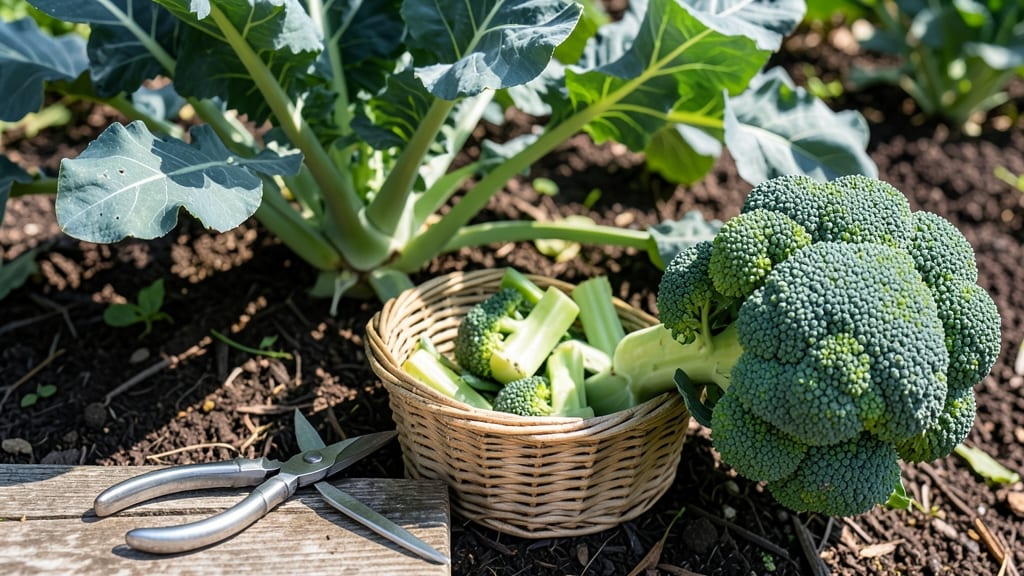
Picking broccoli from the garden at the right moment ensures you get a tender, flavorful crown instead of a tough, bitter mess—so timing is everything.
Harvesting too early means small, underdeveloped florets, while waiting too long turns your 🥦 into a woody, bitter disappointment. The difference between these extremes comes down to three key visual cues: bud tightness, color depth, and stalk firmness.
In Zone 6a, spring broccoli planted in March needs about 60 days to reach peak harvest, while fall crops sown in August should be ready by October. But don’t rely on days alone—watch for the florets to reach 4-6 inches in diameter and snap cleanly when bent.
Below, I’ll walk you through these 3 foolproof signs of readiness, how to avoid common mistakes, and even how to encourage a second harvest from the same plant. Ready to turn your garden into a flavor factory?


3 Visual signs your broccoli is ready for harvest (before it bolts)
Timing your broccoli harvest perfectly ensures you get the best flavor and tender texture—not the bitter, woody stalks that come from waiting too long. The key is catching those 3 visual cues that signal peak ripeness, just before the plant decides to bolt.
I’ve learned the hard way that missing these signs means sacrificing your harvest to the heat and pests of summer.
Broccoli bolts when it senses stress—whether from high temperatures, drought, or simply reaching maturity. Once it bolts, the main head becomes tough and the side shoots (called "sprouts") take over, but they’re never as flavorful.
That’s why mastering these 3 visual signs can save your garden and your dinner plate.
🌱 3 Signs Your Broccoli Is Ready to Harvest
- 1. Bud Tightness: The main head should be 4-6 inches wide with florets so tightly packed they look like a closed fist. If you can see gaps between florets, it’s past its prime.
- 2. Color Depth: The florets should be a deep, vibrant green. Pale or yellowing florets mean the head is overripe. Avoid any with brown spots, which signal pest damage or heat stress.
- 3. Stalk Firmness: Gently bend the stalk near the base. If it snaps cleanly, it’s ready. If it bends without breaking, wait a few more days. A woody, fibrous stalk means you’ve missed your window.
💡 Pro Tip: Harvest in the morning after dew has dried but before the sun peaks. This ensures the crispest texture and brightest color.
Let’s break down the first sign—bud tightness—because this is where most gardeners go wrong. A loose head with visible stems between florets is a red flag. That means the broccoli has already started converting starches into sugars, making it less tender and more bitter.
I once left mine for "just one more day" and ended up with a head that looked like a green haystack. Trust me, you don’t want that.
The color depth is your next clue. Broccoli florets should be a rich, almost blue-green hue. If they’re turning yellowish or brown, the plant is stressed—likely from heat, drought, or pests.
Even if the head is still tight, the flavor will suffer. I test color by holding the head up to the sky; if it looks dull under natural light, it’s time to harvest.
Don’t overlook the stalk firmness test, which tells you whether the plant is ready to give up its best head. A crisp snap means the stalk is still storing energy in the florets.
If it bends like a wet noodle, the nutrients have already moved downward, and the head will be tough. I use this test every time—it’s faster than guessing and far more reliable than checking the calendar.
One mistake I see often is harvesting side shoots too early. After cutting the main head, broccoli often produces smaller sprouts along the stalk. These side shoots take longer to mature (about 2-3 weeks) and should be checked for the same 3 signs.
Ignoring this means you’ll end up with tiny, bitter sprouts instead of a second harvest.
Environmental factors can trick you into thinking broccoli is ready when it’s not. For example, cool nights (below 50°F) slow ripening, while hot days (above 85°F) speed it up. If your broccoli is in a hot microclimate, like near a brick wall, it might bolt faster.
I’ve had to harvest mine earlier than expected in these conditions to avoid losing the entire head.
Finally, remember that harvesting at the right time isn’t just about flavor—it’s about encouraging regrowth. If you cut the stalk just above a set of leaves, the plant may produce 2-3 more side shoots before bolting.
This gives you a longer harvest window and more food from the same plant. It’s a win-win for your garden and your table.
Next time you’re eyeing your broccoli patch, take a second to check these 3 signs. Your taste buds—and your plant—will thank you. And if you miss the window?
Don’t worry—just save the overripe heads for stir-fries or soups, where their slightly bitter notes can add depth to the dish. Happy harvesting!
How to avoid common harvest mistakes that ruin broccoli flavor
Broccoli tastes best when harvested at the perfect moment—too early and it’s underdeveloped, too late and it turns bitter and woody. The biggest mistakes I see in gardens are overharvesting (taking too much too soon) and ignoring environmental triggers that force premature bolting.
Let’s fix that with practical tips to keep your broccoli flavorful and your plants productive.
One of the most common errors is waiting until the main head yellows or florets start opening. By then, the plant has already shifted energy into seed production, leaving you with a tough, less flavorful harvest.
Instead, focus on tight florets and firm stems—these are your best indicators of peak flavor. But timing isn’t just about visual cues; it’s also about understanding how temperature and sunlight affect your plants.
⚠️ callout-warning ⚠️
Signs of bolting: Tall, thin stems + yellowing leaves + open florets
Causes: Heat stress (above 80°F) or drought
Fix it: Mulch to retain moisture + harvest side shoots immediately
Heat waves and drought are the #1 culprits behind premature bolting. When temperatures climb above 80°F (27°C) for more than a few days, broccoli plants bolt faster, sending up flower stalks instead of producing tender heads. To prevent this, I always mulch heavily with straw or shredded leaves to keep roots cool and moist. If you’re in a hot climate, consider planting fall broccoli instead—it thrives in cooler 60-70°F (15-21°C) conditions.
Another mistake? Underharvesting side shoots after the main head is cut. Many gardeners assume the plant is done after the first harvest, but broccoli often produces 3-5 smaller side shoots over weeks. These secondary heads are just as flavorful if harvested before they yellow.
I like to check them weekly—if they’re 1-2 inches wide and tightly packed, it’s time to snip them off with clean shears, leaving 1-2 inches of stem attached to encourage more growth.
Sunlight plays a sneaky role too. While broccoli needs 6-8 hours of sun daily, too much intense afternoon sun (especially in summer) can stress plants. If your garden gets scorching afternoon heat, try providing light shade with a row cover or drip irrigation to keep leaves cool.
I’ve seen broccoli bolt 2 weeks early in full sun during heatwaves—so don’t underestimate the power of shade cloth if you’re in a hot zone.
Finally, avoid the temptation to harvest broccoli after a frost. A light frost (28-32°F / -2 to 0°C) actually sweetens the flavor, but heavy frost (below 28°F / -2°C) turns florets mushy.
If frost is forecast, harvest what you can and cover remaining plants with row fabric. In my experience, broccoli harvested just before frost has the most concentrated, nutty flavor—worth the extra effort!