
Picking
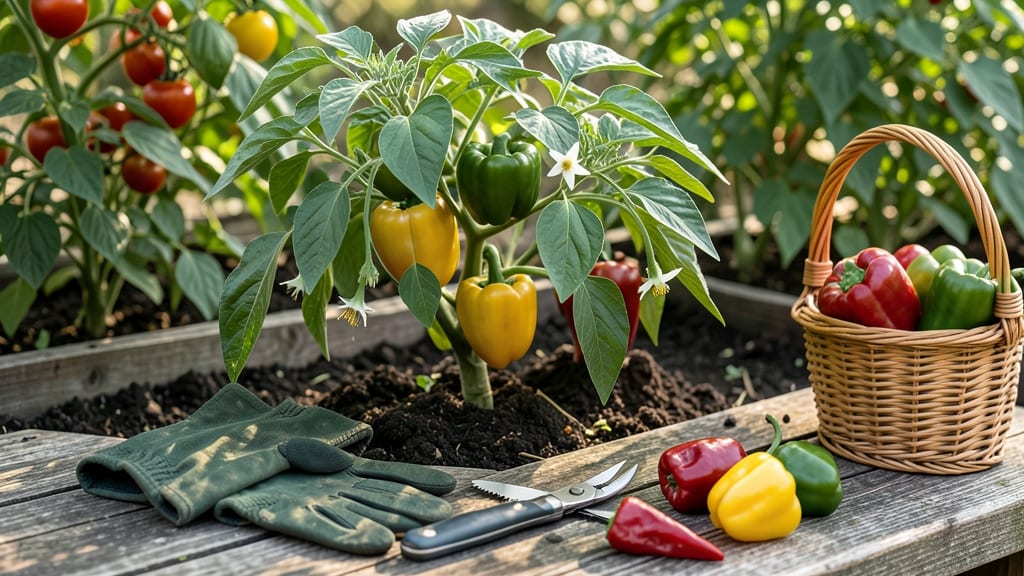
To pick peppers from your garden at the perfect moment means capturing their full flavor—whether that’s the crisp sweetness of a red bell 🌶️ or the fiery punch of a ripe jalapeño.
Most gardeners miss the window because they don’t know the subtle cues: a color shift from green to red isn’t the only sign, nor is size alone. The texture, weight, and even the way the pepper separates from the stem reveal whether it’s ready—or past its prime.
In this guide, I’ll break down the exact stages for bell peppers, hot peppers, and everything in between, so you can harvest at peak ripeness every time. No more guessing, no more wasted peppers.
You’ll learn how temperature and sunlight affect timing, plus pro tips to test ripeness without damaging your plants. Ready to turn your garden into a flavor factory?


Peppers by color: the exact ripeness guide for perfect harvest timing
Peppers are nature's flavor powerhouses, but their peak ripeness often comes down to a simple color check. I’ve learned the hard way that picking too early means bland, rubbery peppers, while waiting too long can turn them mealy.
The color spectrum of peppers isn’t just for show—it’s your roadmap to sweetness, heat, and texture. For example, that bright red bell pepper you crave for salads? It’s sweeter and thicker-walled than its green cousin.
But here’s the catch: different varieties follow their own rules. A jalapeño might be perfect when it’s green, while a habanero needs to turn orange or red to hit its fiery peak. Even bell peppers can go through multiple color stages—green to yellow to red—each with its own flavor profile.
Mastering these cues turns your garden from a guessing game into a flavor factory.
Below is your color-coded ripeness guide, broken down by variety. Use this as your cheat sheet next time you’re wondering whether to pluck that pepper or wait a few more days.
Pro tip: always pair color checks with the firmness test—a pepper can look ripe but still be underdeveloped.
Let’s break down why color matters so much. Take bell peppers—they start green because chlorophyll masks their true sweetness. As they ripen to yellow or red, the chlorophyll breaks down, revealing carbohydrates that translate to that juicy sweetness we all love.
Meanwhile, hot peppers like habaneros build heat as they ripen, so that orange or red hue signals maximum capsaicin—the compound that makes them fiery.
Don’t overlook size and firmness alongside color. A pepper might look ripe but still feel light or spongy—that’s your cue to wait. For instance, jalapeños should be at least 3-4 inches long before picking, even if they’re green.
And if the stem snaps easily when you twist it gently, that’s another green light to harvest. I
5 Key signs your peppers are ready to pick (beyond color)
Color isn't the only clue that your peppers are ready for harvest—sometimes the most telling signs are tactile or variety-specific. I’ve learned the hard way that picking too early means bland, underdeveloped peppers, while waiting too long can turn them mealy or overly soft.
Here’s how to test ripeness beyond just looking at the color.
First, consider the size benchmarks for your pepper variety. A bell pepper should reach 3–6 inches in length, while jalapeños or habaneros stay smaller but pack more heat. Even within a single plant, peppers mature at different rates, so check each one individually.
For example, my habanero plants often produce a mix of green and orange peppers—both can be ripe, but the orange ones are typically hotter.
- 1 Gently squeeze the pepper—ripe ones feel firm and heavy for their size. If it squishes easily or feels hollow, it’s overripe.
- 2 Twist the pepper at the stem—it should snap cleanly without tearing the fruit. If the stem resists or pulls away with a chunk of pepper, it’s not ready.
- 3 Check for a glossy skin. Dull or wrinkled peppers are past their prime, while a shiny surface signals peak ripeness.
- 4 For hot peppers like habaneros, watch for color shifts—even if they’re not fully red or yellow, they can be ripe and spicy when they turn orange or deep green.
- 5 Listen for a thud when tapping two ripe peppers together—they’ll sound solid, not hollow or mushy.
Don’t overlook the stem separation test, which is my go-to trick for avoiding broken peppers. A ripe pepper’s stem should detach effortlessly, leaving a tiny scar on the fruit. If the stem tugs or the pepper splits, it’s not ready yet.
I’ve also noticed that morning harvests yield the freshest peppers—cooler temps overnight help them firm up, making them easier to pick without bruising.
Pro tip: Harvest regularly to encourage more production. I pick my peppers every 2–3 days during peak season, and my plants keep producing for weeks longer than neighbors who wait until they’re "fully red."
Even if you’re not ready to use them all, storing peppers in a cool, dry place (like a paper bag) slows ripening and preserves flavor.
Remember, variety matters. A bell pepper might be perfect when deep red, but a jalapeño can be ripe and spicy when green. For hot peppers, taste test one if you’re unsure—sometimes the color isn’t the best indicator of heat!
The key is to balance firmness, size, and stem readiness for the best harvest.