
Picking
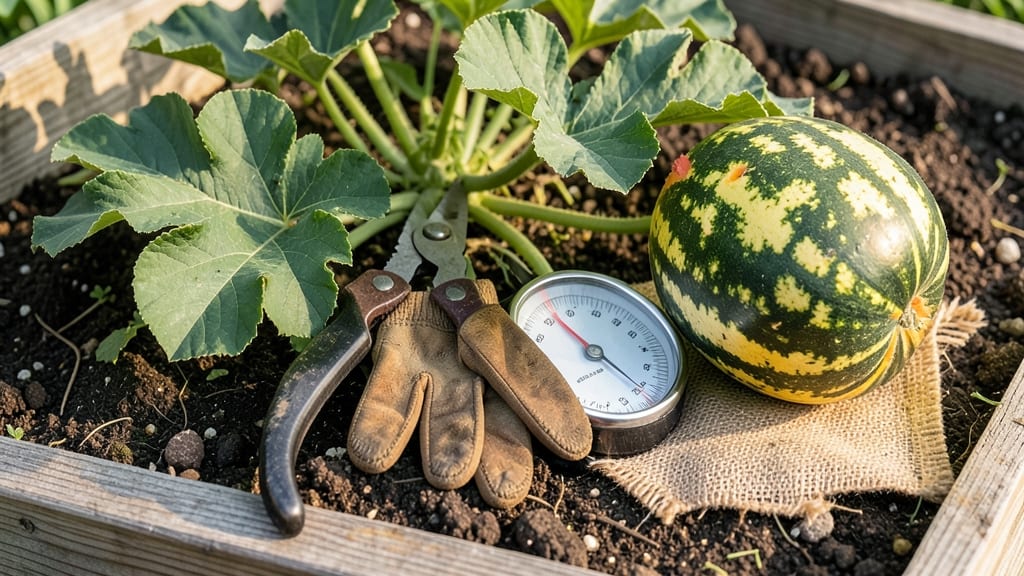
Picking watermelon from your garden at the right time means the difference between a sweet, juicy reward and a bland, mealy disappointment.
Picture this: you’ve waited months for your 🍉 to ripen, only to cut into one that’s still hard and flavorless. Or worse, you miss the window and the vines wither before you even get a chance. Knowing when to harvest isn’t just about luck—it’s about reading the melon’s signals.
From the classic thump test to checking the tendril’s color, there are proven tricks to nail the perfect harvest. I’ll walk you through the best methods, plus how climate and variety can change the game.
By the end, you’ll confidently pick your watermelon at peak sweetness—no guesswork, just great-tasting fruit every time.

How to determine watermelon ripeness using the classic thump test and more
There’s nothing worse than slicing into a watermelon only to find it’s still hard and tasteless—or worse, hollow inside. The good news? With a few simple techniques, you can accurately predict ripeness before cutting into your hard-earned harvest.
The thump test, tendril color, and thumbprint method are my go-to tricks, but they work best when used together. Let’s break down each method and when to trust them most.
First, let’s talk about the thump test, the classic method you’ve probably seen in gardening guides. To perform it, give the watermelon a firm tap with your knuckles. A ripe watermelon will produce a deep, hollow sound, almost like thumping a drum.
If it sounds dull or flat, it’s not ready yet. This test works best on ground-spotted varieties like 'Charleston Gray' or 'Crimson Sweet', where the rind is thick enough to carry sound.
But here’s the catch: the thump test isn’t foolproof. Smaller watermelons or those with thin rinds (like 'Sugar Baby') may sound hollow even when underripe. That’s why I always cross-reference this method with others.
For example, if a watermelon passes the thump test but still has a greenish stripe down the center, it’s best to wait a few more days.
Now, let’s move to the tendril test, one of my favorite indicators. Watermelons grow near the vine with two types of tendrils: curly ones (which cling to supports) and straight ones (which connect to the vine). The curly tendril closest to the fruit is your best clue.
When it turns brown and crispy, that’s a sign the watermelon is ready to harvest. I’ve found this method especially reliable for vine-ripened varieties like 'Yellow Doll' or 'Moon and Stars'.
Don’t overlook the thumbprint test, either. Press your thumbnail into the watermelon’s rind near the stem. If it leaves a shallow dent that springs back, the fruit is ripe. If your thumbnail sinks in or leaves no mark, it’s not ready.
This test is particularly useful for smaller, seedless varieties like 'Seedless Sugar Cube', where the rind is thinner and harder to judge by sound alone.
Why do some methods work better for certain varieties? It comes down to rind thickness and size. Thick-rinded, large watermelons (like 'Jubilee') respond well to the thump test, while smaller or seedless types may need the thumbprint or tendril test for accuracy. For example, I once harvested a 'Sugar Baby' that sounded ripe but was still hard inside—until I checked the tendril and saw it was still green.
🍉 Watermelon Ripeness Comparison Table
| Method | What to Look For | Best For | Reliability |
|---|---|---|---|
| Thump Test | Deep, hollow sound when tapped | Large, thick-rinded varieties (e.g., 'Charleston Gray') | High (7/10) |
| Tendril Test | Curly tendril nearest fruit turns brown | All varieties, especially vine-ripened types | Very High (9/10) |
| Thumbprint Test | Thumbnail leaves shallow dent that springs back | Small or seedless varieties (e.g., 'Sugar Baby') | High (8/10) |
| Ground Spot Color | Creamy/yellowish patch on side facing ground | Ground-spotted varieties (e.g., 'Crimson Sweet') | Medium (6/10) |
| Stem Test | Stem near fruit snaps easily when bent | All varieties (confirm ripeness) | Medium-High (7/10) |
Pro tip: Combine two or more methods for the most accurate results. For instance, if a watermelon passes the thump test and the tendril is brown but the thumbprint test shows a soft spot, it’s not quite ready.
I’ve also noticed that morning harvests often yield sweeter melons because the sugars concentrate overnight. Always pick in the cool of the day to preserve flavor.
One mistake I see often is relying solely on size or color. A watermelon can look ripe but still be underdeveloped inside. For example, a 'Moon and Stars' might have a yellow spot but feel light for its size—meaning it needs more time on the vine.
Always weigh the fruit too; a ripe watermelon should feel heavy for its size, indicating high water content and sweetness.
Finally, remember that climate and variety play a role. Watermelons grown in hot, dry climates may ripen faster than those in cooler regions.
If you’re in a shorter growing season (like USDA Zone 5 or 6), prioritize the tendril and thumbprint tests over the thump test, as the rind might not fully harden before frost. With these tricks, you’ll never guess again—just harvest with confidence!
Watermelon ripeness signs beyond the thump: field vs. store-bought differences
Store-bought watermelons are often picked weeks before full ripeness to survive shipping, but homegrown melons need extra attention. While the classic thump test works, it’s not foolproof—especially for small or irregularly shaped fruits.
Field-ripened melons reveal hidden clues that store varieties hide, like ground spot color and vine behavior that scream "ready to harvest!"
One of the most reliable field-specific signs is the ground spot—the area where the melon touches the soil. A ripe watermelon develops a creamy yellow or orange patch on the side facing the sun.
This color change signals sugar development and is far more accurate than guessing by size. Store-bought melons rarely show this because they’re harvested early to prevent spoilage during transport.
Don’t overlook the curly tendril nearest the stem. When it turns brown and crispy, it’s a clear sign the melon is ready. This tendril acts like a natural timer, drying out as the fruit matures.
In contrast, store varieties often lose their tendrils during handling, so this clue is exclusive to homegrown gardens.
🌱 When to Pick Watermelon from Garden: Hidden Ripeness Clues
- Ground Spot Color: Creamy yellow/orange patch on sun-facing side 🟡
- Rind Texture: Hard and resistant to thumbnail pressure (no dent) 🤏
- Vine Behavior: Curly tendril nearest stem turns brown and crispy 🍂
- Stem Snap Test: Stem near fruit snaps cleanly when bent (not pulled) ✂️
- Weight Test: Feels heavy for its size (indicates water content) ⚖️
- Thump Sound: Solid, dull thud (not hollow) when tapped gently 🔊
💡 Pro Tip: Pick in the morning when sugars are highest and vines are dry.
The rind texture is another game-changer. A ripe watermelon’s skin should be hard and tough—you shouldn’t be able to dent it with your thumbnail. If it gives slightly, the melon needs more time.
Store-bought melons often have softer rinds because they’re harvested before full hardening to prevent bruising during transport.
Pay attention to the stem near the fruit. When ripe, it should snap easily when bent (not pulled). This indicates the melon has fully detached from the vine’s nutrient supply, a sign of maturity.
If the stem resists or tears, the fruit isn’t ready. This test is especially useful for large varieties like 'Charleston Gray,' where size alone isn’t a reliable indicator.
Finally, homegrown melons often need 1-2 extra weeks compared to store-bought ones. While grocery store melons are picked at 70-80% ripeness, garden varieties should reach full maturity for peak sweetness.
Ignoring these field-specific clues can lead to underripe, bland melons—or worse, overripe ones that split on the vine. 🌿