
Planting
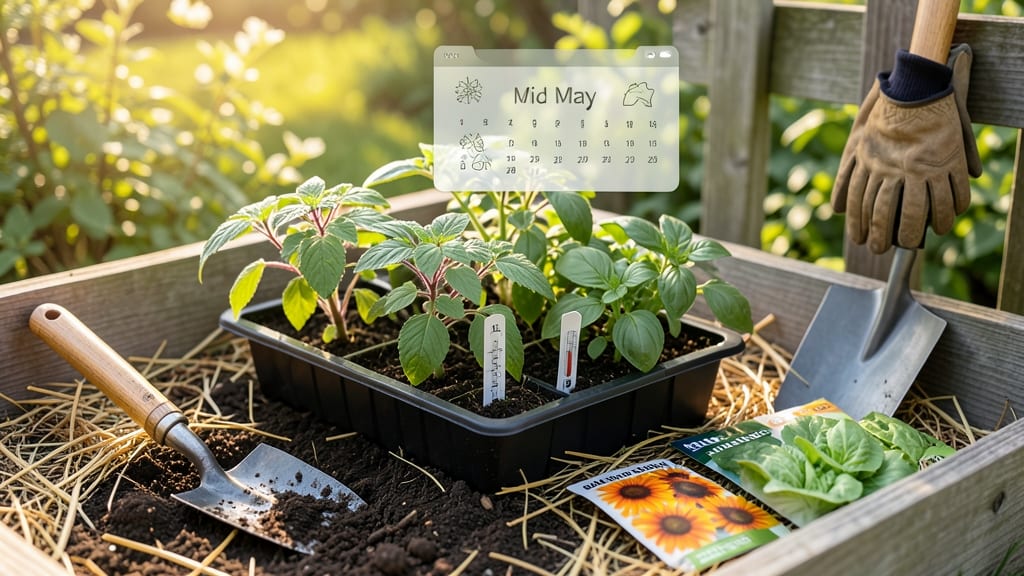
Planting a garden in New Brunswick at the right time means the difference between a bountiful harvest and lost seeds 🌱—and the clock starts ticking after your last frost, which can vary wildly across the province.
Miss the window, and you’ll face two common pitfalls: either your cool-season crops bolt in the heat or your warm-season plants never mature before the first frost. I’ve seen both happen, and neither is pretty.
New Brunswick’s USDA Zone 5b gives you a 165-day frost-free window, but timing isn’t one-size-fits-all. Some crops, like spinach and peas, thrive when planted as early as April 15, while tomatoes and peppers need to wait until May 15—or risk stunted growth.
Below, I break down the exact planting schedule by crop, how to adjust for late frosts, and the three microclimate tricks that’ll save your garden when the weather turns unpredictable.
New Brunswick frost dates by Zone: critical planting windows for vegetables
New Brunswick’s frost dates vary dramatically across its USDA Zones 3b-5a, making precise timing essential for a successful vegetable garden. In Zone 4a (common in Saint John), the average last frost arrives around May 10, while Zone 5a (Fredericton) sees it May 15.
The first frost typically hits October 15-20, leaving just 160-180 frost-free days for warm-season crops like tomatoes and peppers.
Cool-season crops such as spinach, peas, and kale thrive when planted 4-6 weeks before your last frost date. For example, in Zone 3b (Grand Falls), sow seeds by April 15 for an early harvest. Warm-season plants, however, need soil temperatures above 60°F (15°C)—usually mid-May—before transplanting seedlings outdoors.
Understanding these critical planting windows ensures your garden avoids frost damage. For instance, tomatoes planted too early in Zone 4b (Moncton) risk stunted growth, while cabbage sown after May 10 may bolt prematurely. Here’s a breakdown tailored to your zone:
For fall gardens, aim to sow warm-season crops like bush beans or kale by August 1 in Zone 4a or August 15 in Zone 5a. These late-season plantings need 60-70 days to mature before frost.
Use row covers to extend the season by 2-3 weeks, protecting tender plants like lettuce or radishes from early cold snaps.
In Zone 3b, where winters are harsher, prioritize hardy crops like potatoes, carrots, and cabbage, which tolerate cooler soils. Meanwhile, Zone 5a gardeners can experiment with longer-season varieties such as indeterminate tomatoes or peppers, provided they’re planted by June 1 to ensure harvests before frost.
Pro tip: Monitor your local microclimate. South-facing slopes warm up faster, allowing earlier plantings, while low-lying areas may experience frost 1-2 weeks later. Use a frost calendar from your nearest Agriculture Canada office for hyper-local adjustments.
Remember, succession planting is key in New Brunswick’s short season. For example, sow radishes every 2 weeks from April to July for continuous harvests. This strategy maximizes your garden’s potential, even with limited frost-free days.
If you’re unsure about your exact last frost date, err on the side of caution. Plant cool-season crops early and use frost cloths for warmth-loving plants like eggplants or melons. With the right timing, you’ll turn New Brunswick’s unpredictable climate into an advantage—yielding bountiful harvests year after year.
Best planting schedule for New Brunswick’s most popular garden crops
New Brunswick’s short growing season demands precision when planting. Whether you're growing potatoes in early spring or beans in late summer, timing is everything. I’ve broken down the ideal planting windows for 12 must-grow crops, including succession planting tips to keep your harvests coming all season long.
For cool-season crops like spinach and peas, you can start as early as late March under row covers. Meanwhile, warm-season favorites like tomatoes and peppers need to wait until after the last frost date (mid-May). Let’s dive into the exact schedule to maximize your garden’s potential.
📅 Numbered Planting Schedule for New Brunswick
- March-April: Potatoes (seed early indoors or in cold frames), onions, leeks, and spinach can be sown under protection.
- Mid-April: Peas, radishes, and lettuce go into the ground once soil reaches 40°F (4°C).
- Late April-Early May: Carrots, beets, and cabbage can be direct-sown after the last frost risk.
- Mid-May: Tomatoes, peppers, and eggplants should be transplanted outdoors after all danger of frost has passed.
- June: Beans, corn, and cucumbers thrive when soil is warm (60°F/15°C).
- July-August: Succession plant lettuce, radishes, and spinach for fall harvests.
- Late August: Broccoli, cauliflower, and kale can be started for late-summer planting.
One common mistake I see is planting warm-season crops too early. For example, tomatoes planted in early May often suffer from cold soil and late frosts. Instead, wait until mid-to-late May when soil temperatures are consistently above 55°F (13°C).
For succession planting, try sowing lettuce every 2 weeks from May through July. This ensures a continuous harvest instead of one big crop all at once. I also recommend keeping a planting journal to track what works best in your microclimate.
Don’t forget about fall planting! Crops like kale and carrots actually sweeten after frost. Start these in late August for a harvest before winter. With this schedule, you’ll avoid wasted seeds and enjoy fresh produce all season.