Planting
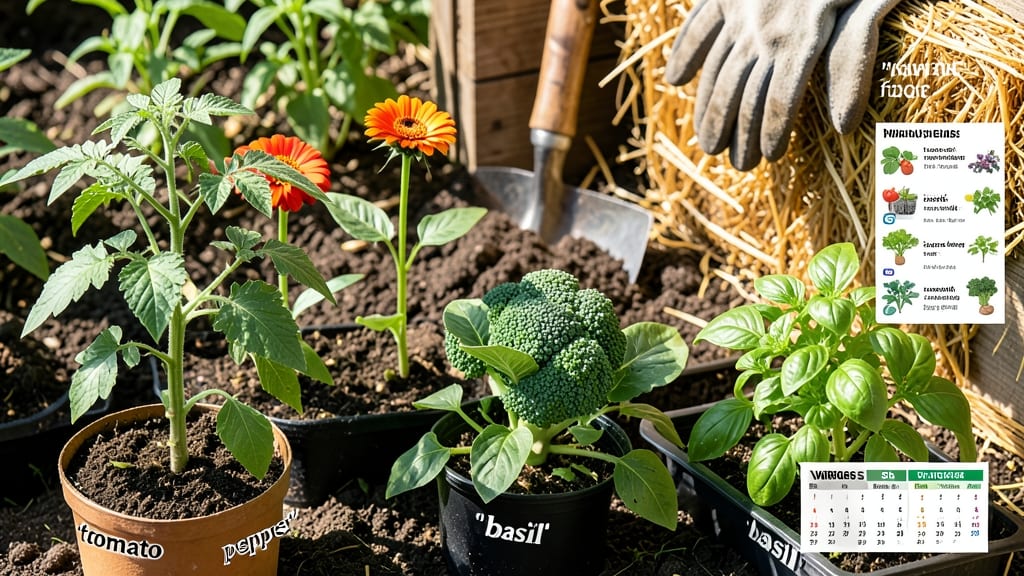
Planting a garden in Virginia at the right time means the difference between a bountiful harvest and frost-nipped disappointment—timing your crops to the last frost dates by region is the secret to zero-risk success.
Virginia’s climate zones stretch from the Coastal Plain’s milder winters to the Mountains’ late springs, so a one-size-fits-all approach won’t work. Miss the window by even a week, and your tomatoes or peppers could end up stunted—or worse, lost to a surprise freeze.
Below, I break down the exact frost-free dates for each zone, when to start seeds indoors, and how to adjust for microclimates like urban heat islands or high-elevation pockets. No more guessing—just data-driven planting for maximum yield.
You’ll also learn how to use soil thermometers, when to plant fall crops for a second harvest, and the three most common mistakes Virginia gardeners make with timing. Let’s get your garden on the right schedule.
Virginia’s last frost dates by region: a critical planting timeline
Virginia’s five distinct climate zones create wildly different planting windows—what’s safe in the Coastal Plain by early April could still be risky in the Appalachian Plateau. Knowing your last average frost date is the difference between a thriving garden and a sad, frost-nipped experiment.
Let’s break down each region’s timeline so you can plant with confidence.
First, grab your frost date map (I recommend the Virginia Cooperative Extension resource) and note your local microclimate. Urban areas like Richmond often warm up faster than rural spots, while valleys can trap cold air longer.
For this guide, we’ll use the USDA Plant Hardiness Zone averages—but always add a 2-week buffer for safety.
Here’s the comparison-table with frost-free dates, planting windows, and key crops for each Virginia region:
For cool-season crops like lettuce and spinach, you can start seeds indoors 4-6 weeks before your last frost date. In the Coastal Plain, that means late January, while in the Appalachian Plateau, wait until early April.
Always use row covers or cold frames for an extra layer of protection if planting early.
Warm-season crops like tomatoes and peppers need soil temperatures above 60°F (15°C) to thrive. In the Piedmont, this usually aligns with mid-April, but in higher elevations, wait until after May 1.
I recommend using a soil thermometer—don’t guess! Planting too early in cold soil stunts growth and invites disease.
Fall planting is just as critical. For a second harvest of greens, sow seeds 60-75 days before your first frost date (typically late October in the Coastal Plain, early October in the mountains). Try kale and radishes—they handle cooler temps better than most.
Pro tip: Use frost prediction tools like the National Weather Service’s frost calendar to fine-tune your schedule. I’ve had years where frost came two weeks late, and my pepper plants suffered for it. Better safe than sorry!
Finally, don’t forget about perennials and flowers. Many, like daylilies and coneflowers, can handle Virginia’s winters, but others (like tender perennials) need to be dug up or mulched heavily before frost. Check your plant’s hardiness zone to avoid winter losses.
Master these frost dates, and you’ll enjoy longer harvests, fewer replants, and zero frost damage. Happy planting—your garden’s success starts with timing!
How to adjust planting times for Virginia’s microclimates
Virginia’s varied landscapes—from coastal plains to mountain valleys—create microclimates that can shift planting times by weeks or even months. A protected urban garden might enjoy spring warmth earlier than a high-elevation rural plot just 20 miles away. Understanding these nuances lets you extend growing seasons and avoid frost damage.
Start by identifying your local microclimate type. Urban areas with concrete and buildings trap heat, while wooded slopes stay cooler longer. Even a south-facing fence can create a 2-week advantage for warm-season crops like tomatoes or peppers. Use these adjustments to fine-tune your schedule beyond regional averages.
🌱 Pro Tip: Use a Soil Thermometer
Warm-season crops like cucumbers and beans need soil temps of 60°F+. Check daily—cold soil delays germination even if air temps seem ideal. For cool-season crops, wait until soil reaches 40°F+ to avoid rot.
High-elevation gardens in Virginia’s Blue Ridge Mountains often face later last frosts than Piedmont valleys. If you’re above 2,000 feet, delay planting warm-season crops by 2-3 weeks. Conversely, urban heat islands can let you plant peppers 10 days earlier in Richmond than in nearby farmland.
Leverage frost prediction tools like the National Weather Service’s Frost/Freeze Forecast or apps like PlantNet. These provide hyperlocal alerts for unexpected cold snaps. Pair them with a row cover or cold frame to protect seedlings when forecasts warn of light freezes (28-32°F).
For fall planting, use the "100-day rule": Subtract your crop’s maturity days from September 30 to find the last safe planting date. In cooler microclimates (like the Shenandoah Valley), aim for early August for quick-maturing radishes or spinach, while urban heat pockets may allow late-September plantings.
Test your microclimate’s unique conditions by tracking 3 years of data. Note when tomatoes ripen, when frost kills basil, and how rainfall patterns shift near buildings. Adjust your schedule yearly—your local microclimate evolves with urban growth or climate trends.
With these tweaks, you’ll maximize yields and avoid common timing mistakes that plague Virginia gardeners. 🌿