
Planting
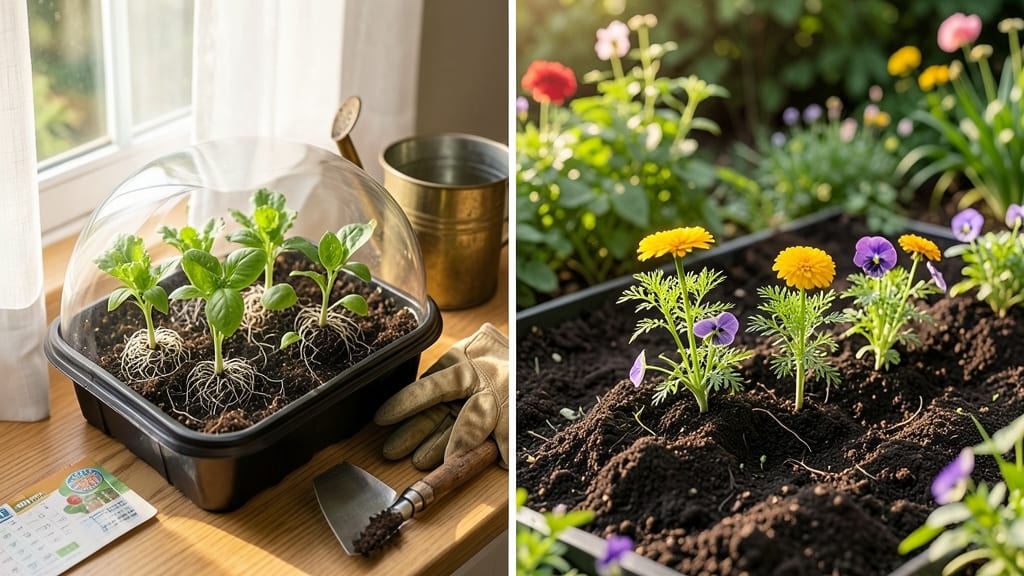
Planting a garden at the right time ensures your seeds and seedlings thrive, not just survive—timing is everything for a harvest you’ll actually enjoy.
Picture this: you’ve spent weeks prepping your soil, picked out your favorite heirloom tomatoes, and then—BAM—a late frost wipes out everything before it even sprouts. Or worse, you plant too late and the heat arrives before your zucchini sets fruit.
The difference between a bountiful garden and a wasted season often comes down to knowing when to start.
Your USDA hardiness zone dictates the ideal window, but even within the same zone, microclimates—like urban heat islands or sheltered valleys—can shift those dates by weeks.
Below, I’ll break down the exact start dates by crop type, how to adjust for your local conditions, and the three common mistakes that ruin timing every year.
You’ll leave here with a clear planting schedule tailored to your zone, plus pro tips to stretch your growing season—whether you’re in chilly Zone 5 or balmy Zone 9. Let’s get those seeds in the ground at the perfect moment.
Exact planting dates by USDA hardiness Zone (cool vs warm season crops)
Getting your planting schedule right depends on two key factors: your USDA hardiness zone and whether your crops are cool-season or warm-season plants. Cool-season crops like lettuce and peas thrive in cooler temperatures, while warm-season plants such as tomatoes and peppers need consistent warmth.
Knowing your last frost date is critical—it’s the moment when you can safely plant frost-sensitive seedlings.
For example, in Zone 5, your last frost typically falls around May 10, while Zone 9 gardeners might not see frost until December 15. These differences mean your planting window can shift by 6-8 weeks depending on where you live.
Let’s break down the exact dates for both crop types across common zones, so you can start planting with confidence.
| USDA Zone | Cool-Season Crops (Peas, Lettuce, Spinach) | Warm-Season Crops (Tomatoes, Peppers, Cucumbers) | Last Frost Date |
|---|---|---|---|
| Zone 3-4 | Plant 4-6 weeks before last frost (March 15-April 1) | Wait until after last frost (May 15-June 1) | April 15-May 1 |
| Zone 5-6 | Plant 3-5 weeks before last frost (March 20-April 15) | Wait until after last frost (May 10-June 10) | April 20-May 10 |
| Zone 7-8 | Plant 2-4 weeks before last frost (February 15-March 15) | Start after last frost (March 15-April 15) | February 28-March 15 |
| Zone 9-10 | Plant in fall or winter (October-December) | Plant year-round (avoid peak summer heat) | December 15-January 15 |
*Adjust dates based on your local microclimate—urban areas may be warmer, while high elevations cool faster.
If you’re in Zone 5, for example, you’ll want to start cool-season crops like kale or carrots in early April, about 4-5 weeks before your last frost.
Meanwhile, warm-season crops like eggplants should wait until late May or early June, after the soil warms to at least 60°F (15°C). Use a soil thermometer to confirm—cool soil can stunt growth.
For Zone 9 gardeners, the rules flip: you can plant warm-season crops like okra or sweet potatoes in early spring or fall, avoiding the brutal summer heat.
Meanwhile, cool-season crops like broccoli thrive in winter months when temperatures dip below 80°F (27°C). This zone’s long growing season lets you plant multiple harvests year-round.
Don’t forget about microclimates—your garden’s specific conditions can shift planting times by 1-2 weeks. A south-facing slope warms faster than a north-facing bed, while a shady spot may delay planting by a week.
Use row covers or cold frames to extend your season if needed, especially for frost-sensitive plants like basil or cucumbers.
Pro tip: Bookmark your local Cooperative Extension Service website or use apps like Old Farmer’s Almanac to track frost dates and soil temperatures.
These tools provide hyper-local adjustments that generic zone charts can’t. For instance, a Zone 6 garden in Denver might have a later frost than one in Chicago due to elevation differences.
For herbs, timing matters too. Cilantro bolts in heat, so plant it in early spring or fall in Zone 7, while rosemary thrives in Zone 9’s winter months.
Always check seed packets for days to maturity—this tells you how long until harvest, helping you plan successive plantings for a continuous yield.
Finally, keep a gardening journal to note when you plant and how your crops perform. Over time, you’ll refine your schedule to match your unique climate. For example, you might discover that Zone 5 tomatoes thrive when started 6 weeks before last frost indoors, not the typical 4-week rule.
Small tweaks like this can boost your success rate dramatically.
With these zone-specific guidelines, you’ll avoid the heartbreak of frost-killed seedlings or
How to adjust planting times for your local microclimate (sun, wind, soil)
Your USDA hardiness zone gives you a starting point, but your local microclimate often dictates the real planting schedule. Urban areas can be 5-10°F warmer than rural spots just a few miles away, while windy hillsides or shaded valleys create entirely different growing conditions.
Even a 100-foot elevation change can shift your frost dates by 2-3 weeks. Understanding these factors lets you fine-tune your planting calendar for maximum success.
Start by observing your garden's unique conditions for at least three growing seasons. Note where sunlight patterns change, how wind affects plant stress, and which areas stay wetter longer. These observations will help you adjust standard planting guidelines.
For example, if your soil stays cold longer than your zone's average, you might need to delay cool-season crops by 2-3 weeks—or use row covers to warm the soil faster.
- 1
- 2
- 3
- 4
- 5
Don't overlook the power of shade patterns in your garden. A partial shade area (3-6 hours of sun) might suit leafy greens (e.g., spinach, arugula) when full sun would scorch them.
Conversely, deep shade (less than 3 hours of sun) limits options to shade-tolerant plants like hostas or ferns—so plan accordingly by choosing varieties that thrive in your specific light conditions.
For container gardening, microclimates matter even more because pots heat up and cool down faster than in-ground soil. Use light-colored containers to reflect heat and self-watering systems to maintain moisture.
In urban balconies, south-facing spots get the most sun, while north-facing areas may only support shade-loving herbs (e.g., mint, parsley) or cool-season crops.
Pro tip: Keep a gardening journal to track when you plant, how your crops perform, and any adjustments you make. Over time, you'll create a custom planting calendar tailored to your microclimate—saving seeds, time, and frustration in the process. 🌱