
Planting
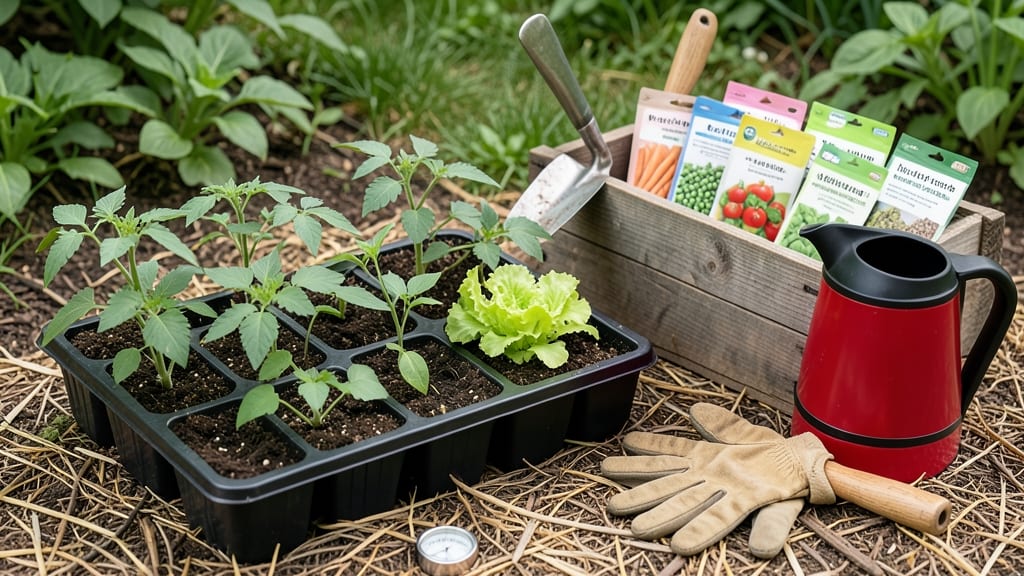
Planting a vegetable garden in California at the right time means avoiding frost in the north or scorching heat in the south — and the window can shift by hundreds of miles across the state.
California’s diverse microclimates—from coastal fog to inland deserts—mean your vegetable planting schedule can vary by hundreds of miles. Get the exact zero-frost start dates for your region to maximize yields and avoid costly mistakes.
Inland valleys like Sacramento and Fresno have earlier planting windows than coastal areas, where fog delays soil warming. Meanwhile, Southern California’s desert zones can start as early as January, while the Sierra foothills wait until May.
Below, I break down the month-by-month planting calendar for coastal vs. inland zones, which crops thrive in each microclimate, and how to adjust for unpredictable weather like late frosts or heatwaves.
California planting zones by microclimate: zero-frost start dates by region
California’s planting calendar isn’t one-size-fits-all—its microclimates create dramatic differences in zero-frost start dates. Coastal areas like San Francisco may have frost until January, while inland valleys like Sacramento can be frost-free by December 15.
Understanding these variations helps you time cool-season crops like lettuce and heat-loving plants like tomatoes perfectly.
Most California gardeners rely on USDA Hardiness Zones 7-11, but microclimates within these zones can shift planting windows by 4-8 weeks. For example, Palm Springs (Zone 10) never sees frost, while Lake Tahoe (Zone 6) can have late frosts into June.
Always check your local National Weather Service data for the most accurate last frost dates—they’re more reliable than generic zone maps.
Here’s how to use this guide: First, identify your microclimate type (coastal, valley, desert, or high-elevation). Then, match your city to the zero-frost start date below.
Finally, adjust for heat tolerance—coastal areas have cooler summers, while inland zones can exceed 100°F, requiring shade cloth for sensitive crops like cucumbers or peppers.
🌱
If you’re in Los Angeles, for example, you can plant spinach as early as November, but tomatoes should wait until March to avoid heat stress. Meanwhile, Sacramento gardeners can start broccoli in October and peppers in February.
The key is aligning seed packets’ recommended soil temperatures with your local frost-free window—most seeds need 40–85°F to germinate.
For high-elevation areas like Lake Tahoe, wait until May 15 to plant cool-season crops like kale or carrots, as late frosts can linger into June. Use row covers or cold frames to extend your growing season if you’re eager to start earlier.
In desert regions, focus on drought-resistant varieties like zucchini or black-eyed peas, which thrive in 100°F+ heat—just mulch heavily to retain moisture.
Pro tip: Succession planting works best in California’s varied climates. In coastal zones, plant lettuce every 2 weeks from February to September to avoid bolting.
In inland valleys, stagger tomato plantings in March, April, and May to spread out harvests and avoid blossom-end rot from inconsistent watering during summer heatwaves.
🌿
Don’t forget to adjust for urban heat islands—cities like Los Angeles can be 5–10°F warmer than rural areas just 10 miles away.
If you’re in a concrete-heavy neighborhood, opt for heat-tolerant varieties like ‘Heatmaster’ tomatoes or ‘Black Seeded Simpson’ lettuce, which handle 90°F+ temperatures better than standard types. Always monitor your garden’s microclimate by checking soil temps with a thermometer
Best vegetables to plant by month in California (coastal vs. inland)
California’s coastal and inland regions have dramatically different growing seasons, so your planting schedule should adapt to local climate patterns. Coastal areas like San Francisco and Santa Barbara enjoy cooler temperatures year-round, while inland valleys such as Sacramento and Bakersfield experience hotter summers and milder winters.
Understanding these differences helps you maximize yields and avoid heat stress or frost damage.
Heat-sensitive crops like lettuce, spinach, and kale thrive in coastal spring and fall, while heat-loving vegetables like tomatoes, peppers, and eggplant perform best in inland summer months. Below is a month-by-month guide tailored to both climates, including ideal transplanting windows and succession planting opportunities.
🌱 Comparison Table: Coastal vs. Inland Planting Calendar
For coastal gardeners, focus on spring and fall plantings to avoid summer heat stress. I’ve found that lettuce and spinach bolt quickly in inland summers, so I plant them in coastal areas during June-July with afternoon shade.
Inland gardeners should prioritize heat-tolerant varieties like Black Beauty eggplant or Heatmaster tomatoes for summer success.
Succession planting is key in both climates. For example, I sow radishes every 2 weeks from February through October to ensure a continuous harvest. Inland areas can extend this into late summer with proper irrigation.
Use drip irrigation to conserve water and maintain consistent soil moisture, especially during California’s dry summers.
Don’t forget about winter crops! Coastal regions can grow kale, broccoli, and carrots year-round, while inland gardeners should focus on cold-hardy varieties like cabbage and beets planted in September-October for winter harvests.
🌿 Adjust your planting schedule based on local microclimates—even within a city, neighborhoods can vary by 10°F or more. For example, Berkeley stays cooler than Oakland due to its proximity to the bay. Always monitor your garden’s specific conditions and be ready to adapt!