
Planting
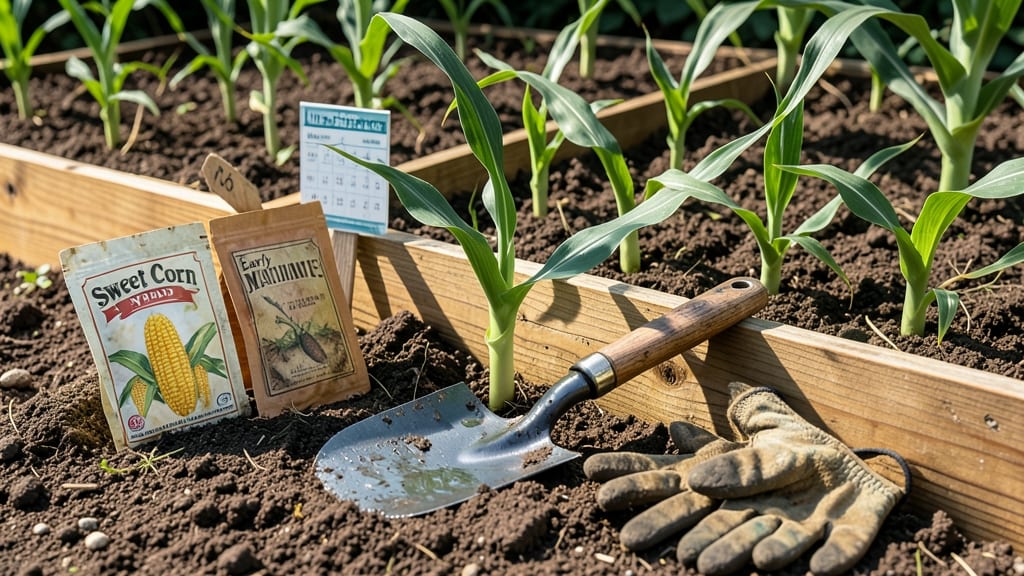
Planting a vegetable garden in Iowa means timing your crops perfectly to avoid frost damage and maximize your harvest season 🥕 — and the best window starts 2-3 weeks after your last spring frost.
Iowa’s unpredictable frost dates can make or break your vegetable garden—planting too early risks frost damage, while waiting too long shortens your harvest season. With USDA zones 5a-6b and frost-free days ranging from 160-190, knowing when to plant is the key to a thriving garden.
Cool-season crops like lettuce and peas can go in as early as mid-April, while warm-season favorites like tomatoes and peppers need to wait until mid-May or later.
Below, I’ll break down the exact planting schedule by crop, so you can avoid common mistakes and get the most out of your growing season.
Whether you’re a beginner or a seasoned gardener, this guide will help you plan for success—from seed starting to harvest—so you can enjoy fresh produce straight from your Iowa garden.
Iowa’s frost dates by region: when to start planting vegetables
Iowa’s frost dates vary dramatically from north to south, creating challenges for gardeners. The USDA zones 5a-6b cover most of the state, but local microclimates—like urban heat islands or river valleys—can shift frost timing by 1-2 weeks.
For example, Dubuque (Zone 5a) typically sees its last frost around May 10, while Des Moines (Zone 5b) averages May 1—a critical difference for warm-season crops like tomatoes and peppers.
Understanding these regional differences helps you avoid common mistakes. I once planted cucumber seeds in early April in my Zone 5b garden, only to lose them to a late frost. Since then, I’ve learned to wait until 2-3 weeks after the average last frost date—usually May 15—for heat-loving plants.
Meanwhile, cool-season crops like spinach and kale thrive when planted 4 weeks before the last frost, often as early as March 15 in southern Iowa.
Here’s how Iowa’s three main regions break down for planting schedules, with USDA zone references and real-world adjustments:
| Region | USDA Zone | Avg. Last Frost | Avg. First Frost | Frost-Free Days | Cool-Season Planting | Warm-Season Planting |
|---|---|---|---|---|---|---|
| North (e.g., Waterloo, Mason City) | 5a (-20°F to -15°F) | May 10 ± 7 days | October 5 ± 7 days | 150–160 days | March 20 – April 15 | May 20 – June 1 |
| Central (e.g., Des Moines, Ames) | 5b (-15°F to -10°F) | May 1 ± 7 days | October 15 ± 7 days | 160–170 days | March 25 – April 20 | May 15 – May 25 |
| South (e.g., Ottumwa, Burlington) | 6a (-10°F to -5°F) | April 15 ± 7 days | October 25 ± 7 days | 170–180 days | April 1 – April 15 | May 1 – May 10 |
*Adjust dates based on local microclimates (e.g., urban areas warm up faster).
For cool-season crops, like lettuce, radishes, and peas, start seeds indoors 4-6 weeks before your region’s last frost date. In Zone 5a, that means mid-February for a March 20 outdoor transplant.
Meanwhile, hardy greens like spinach can handle light frosts, so I often direct-sow them in early March in central Iowa—just cover them with row fabric for extra protection.
Warm-season crops—such as tomatoes, squash, and corn—need soil temperatures above 60°F to germinate. In northern Iowa, this typically means waiting until late May, while southern Iowa gardeners can plant early April for early varieties.
I’ve found that transplanting seedlings (instead of direct-sowing) gives me a 2-week head start on the season, especially for peppers, which are sensitive to cold.
Local gardeners often share personal adjustments based on their yard’s microclimate. For instance, a friend in Zone 5b near a south-facing hill plants cucumbers 10 days earlier than the average date because her slope warms up faster.
To test your own microclimate, place a minimum-maximum thermometer in your garden bed for a week—if it consistently reads 5°F warmer than the official forecast, you can push planting dates 5-7 days earlier.
One of my biggest lessons? Don’t rely solely on averages. In 2021, a late frost hit Des Moines on May 12**, wiping out early plantings of beans and squash. Since then, I’ve adopted a two-phase planting strategy: I start with fast-maturing varieties (like bush beans) and follow up with longer-season crops (like <
Best planting calendar for Iowa vegetables: month-by-month guide
Iowa’s 120–150-day growing season demands precision in planting schedules. Whether you’re growing tomatoes, beans, or lettuce, timing directly impacts yield. Cool-season crops thrive early, while warm-season varieties need the heat of summer.
My month-by-month guide ensures you maximize harvests by aligning planting with Iowa’s frost patterns and crop maturity timelines.
Start by noting your last frost date—typically mid-April in most of Iowa. Use this as your anchor: plant cool-season crops 3–4 weeks before, and warm-season crops 2–3 weeks after.
For example, spinach and radishes can handle light frosts, while peppers and eggplants need warm soil to germinate. Succession planting is key for continuous harvests.
-
March
Start indoor seeds for tomatoes, peppers, and eggplants. Plant hardy greens like spinach and kale outdoors if soil is workable.
-
April
Direct sow cool-season crops: peas, lettuce, radishes, carrots, and onions. Transplant broccoli and cabbage seedlings 2–3 weeks before last frost.
-
May
Plant warm-season crops after last frost: tomatoes, peppers, beans, and corn. Begin succession plantings of lettuce and spinach every 2 weeks.
-
June
Sow cucumbers, squash, and melons. Continue succession planting beans and lettuce for fall harvests.
-
July
Plant fall crops: kale, spinach, and radishes. Transplant broccoli and cabbage for late-season harvests.
-
August
Direct sow turnips and beets for fall. Harvest warm-season crops before first frost.
Adjust for early or late frosts by using row covers or cold frames to extend seasons. For example, if frost lingers in May, protect tomato seedlings until soil warms.
In Southern Iowa (USDA Zone 6b), you can push planting dates 1–2 weeks later than Northern regions (Zone 5a). Always check soil temperature—most warm-season crops need 60°F+ to germinate.
Succession planting is your secret weapon for continuous harvests. For instance, sow lettuce every 2 weeks from April to August to enjoy fresh greens all season. Similarly, plant beans in staggered rows to avoid glutting your kitchen.
This method works especially well for fast-maturing crops like radishes (30 days) and bush beans (50 days).
Don’t overlook fall planting—Iowa’s cool nights in September and October are perfect for kale, spinach, and garlic. These crops often taste sweeter after a light frost.
Plan to sow seeds by mid-August for a harvest before winter sets in. Use a planting calendar to track deadlines and avoid missed opportunities.
Pro tip: Keep a garden journal to note your frost dates and crop performance. Over time, you’ll refine your schedule to match Iowa’s unpredictable weather. With this calendar, you’ll turn your garden into a year-round harvest machine—one season at a time. 🌱