
Planting
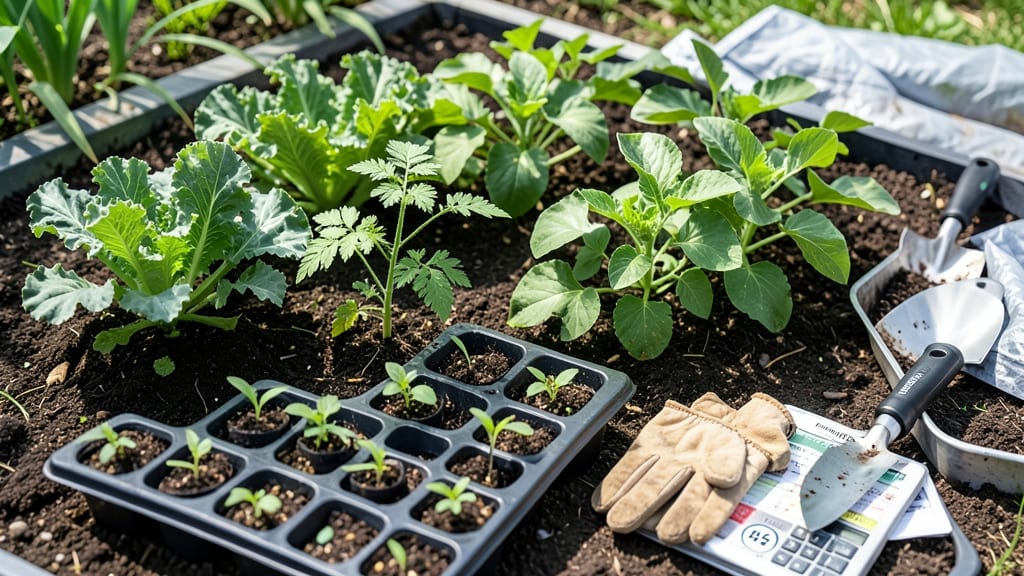
Planting a vegetable garden in Ontario at the right time means the difference between a thriving harvest and a frost-killed disappointment—especially when last frost dates shift from mid-May in Toronto to late June in Thunder Bay.
Ontario gardeners know timing is everything—plant too early and frost will ruin your hard work, but wait too long and you’ll miss the growing season.
With last frost dates varying dramatically across the province, knowing the exact time to plant your 🥕 garden can mean the difference between a bountiful harvest and a disappointing failure.
Cool-season crops like peas and lettuce can handle light frosts, while tomatoes and peppers need soil temperatures above 10°C (50°F) before they’ll thrive.
In this guide, you’ll learn how to match your planting schedule to your region’s frost-free window and adjust for microclimates—whether you’re near a lake or in an urban heat pocket.
From soil prep to succession planting, I’ll walk you through the step-by-step process to maximize your garden’s potential, no matter where in Ontario you’re growing. Let’s get those seeds in the ground at the perfect moment!
Ontario’s last frost dates by county: the critical timeline for planting vegetables
Understanding Ontario’s last frost dates is the first step to a successful vegetable garden. These dates mark the window when it’s safe to plant warm-season crops like tomatoes and peppers without risking frost damage.
However, Ontario’s climate varies dramatically—from the longer growing season in Niagara to the shorter season in Northern regions like Sudbury. Knowing your county’s average last frost date helps you time your planting for maximum yield.
For cool-season crops like peas, lettuce, and spinach, you can plant as early as late March or early April, even before the last frost. These hardy plants tolerate light frosts and can even thrive in cooler temperatures.
But for warm-season crops, waiting until after the last frost is crucial. In most of Southern Ontario, this typically falls between mid-May and early June, while Northern regions may see frost as late as early June.
Urban gardeners in cities like Toronto and Ottawa often experience microclimates that can delay or advance frost dates. Concrete and buildings absorb heat during the day, creating warmer pockets, while rural areas may see frost linger longer.
Always check local weather forecasts and consider using a frost-free date calculator for precise timing.
Here’s a comparison of Ontario’s last frost dates by county, including adjustments for urban vs. rural areas:
| County/Region | Average Last Frost Date | Urban Adjustment | Warm-Season Planting Window | Cool-Season Planting Window |
|---|---|---|---|---|
| Toronto | May 15 | 1-2 weeks earlier (urban heat island) | May 20 - June 10 | March 15 - April 30 |
| Ottawa | May 20 | 1 week earlier (city centers) | May 25 - June 15 | March 20 - May 10 |
| London | May 10 | 1 week earlier (urban areas) | May 15 - June 5 | March 10 - April 25 |
| Niagara | May 5 | 2 weeks earlier (lake effect) | May 10 - June 1 | March 5 - April 20 |
| Kitchener-Waterloo | May 12 | 1 week earlier (urban heat) | May 15 - June 8 | March 15 - April 28 |
| Hamilton | May 10 | 1 week earlier (city warmth) | May 15 - June 5 | March 10 - April 25 |
| Sudbury | June 5 | No adjustment (rural) | June 10 - July 1 | April 1 - May 15 |
| Windsor | May 5 | 1 week earlier (urban heat) | May 10 - June 1 | March 5 - April 20 |
| Guelph | May 12 | 1 week earlier (city centers) | May 15 - June 8 | March 15 - April 28 |
| Thunder Bay | June 10 | No adjustment (northern) | June 15 - July 5 | April 5 - May 20 |
Use these dates as a starting point, but always monitor your local weather. A late frost can still occur, especially in Northern Ontario, so consider using row covers or cold frames
How to adjust planting times for Ontario’s unpredictable weather patterns
Ontario’s weather can throw curveballs—one week of unseasonable warmth might trick you into planting early, only for a late frost to strike and kill your seedlings. Or a heatwave in June can stress tender young plants before they’ve had a chance to establish roots.
The key to success lies in flexibility and preparation.
Instead of relying solely on average last frost dates, I’ve learned to combine soil temperature checks, microclimate observations, and season-extending tools to create a planting strategy that adapts to whatever Mother Nature throws our way.
This approach has saved my tomato plants from frost damage and extended my harvest season by nearly a month.
🌡️ Warning: Ontario’s Weather Lies!
Never plant based on calendar dates alone. A 3-week delay can mean the difference between thriving plants and total crop failure. Use these three critical checks before planting:
- Soil temperature: Must reach 10°C (50°F) for warm-season crops
- Nighttime temps: Stay above 7°C (45°F) consistently
- Frost-free window: At least 120 days until first frost
First, invest in a soil thermometer—this $10 tool is a game-changer. Warm-season crops like tomatoes, peppers, and cucumbers won’t germinate properly if the soil is too cold. I wait until the soil hits 15°C (60°F) before planting these heat-lovers, even if the air feels warm.
For cool-season crops like lettuce and peas, I plant as soon as the soil reaches 5°C (41°F), often in early April.
Next, observe your local microclimate. Urban areas like Toronto’s downtown can be 5°F warmer than nearby rural zones due to the "heat island" effect, while lake-effect zones near Georgian Bay might experience delayed spring warming.
I keep a frost journal for 3 years to track my specific area’s patterns—this helps me adjust planting dates by 1-2 weeks compared to regional averages.
For high-risk areas or when you’re pushing the season’s limits, season-extending tools become essential. I use floating row covers to protect early plantings from late frosts (they raise soil temps by 2-5°C) and low tunnels to extend fall harvests by 4-6 weeks.
Cold frames work wonders for hardy greens like kale and spinach, letting me harvest well into December in my zone 5b garden.
Finally, master succession planting to create a continuous harvest. Instead of planting all my lettuce seeds at once, I sow new batches every 2 weeks from May through July. This ensures a steady supply while minimizing losses from unpredictable weather.
For warm-season crops, I start seeds indoors 6-8 weeks before the last frost date to get a jump on the season.
With these strategies, I’ve learned to turn Ontario’s unpredictable weather into an advantage. The garden becomes a living experiment each year, and every adjustment brings me closer to that perfect harvest timeline—no matter what the forecast says. 🌱