
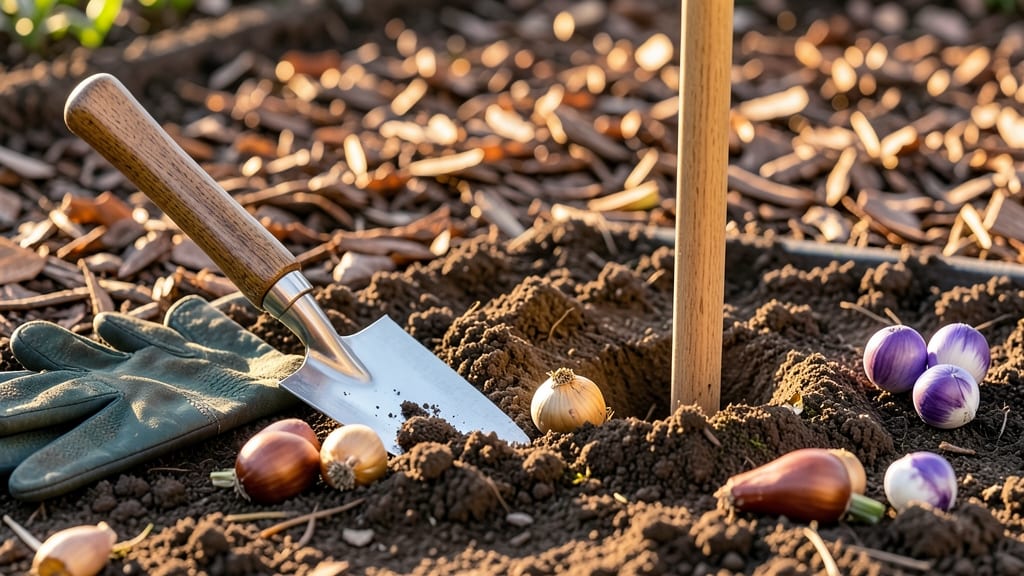
When to Plant Garden Bulbs: Frost-Date Math for Zero-Winter Loss

Planting

When to Plant Garden Bulbs: Frost-Date Math for Zero-Winter Loss

Planting bulbs in the garden at the right time means the difference between a showstopping spring display and a wasted investment—and the secret lies in frost-date math.

Picture this: You’ve just spent $50 on tulip bulbs, only to watch them rot over winter because you planted too early. Or worse, you wait until the ground freezes solid and miss the window entirely.

The good news? Timing it perfectly is easier than you think—and this guide will show you exactly how to calculate your zero-loss planting window based on your USDA zone.

Most gardeners know fall is the time for spring-blooming bulbs, but did you know soil temperature matters more than calendar dates? A quick soil check (or a local frost-date tool) can save you from the heartbreak of shriveled blooms.

Whether you’re in Zone 6a or a warmer climate, we’ll break down the exact weeks before your first frost to plant, plus regional tweaks for cities like Denver, Seattle, or Los Angeles.

By the end, you’ll know not just when to plant, but how to avoid the top 5 mistakes that turn bulbs to mush—like planting too shallow or overwatering before winter. Ready to guarantee those vibrant spring blooms? Let’s dig in.

🌱 When to Plant Bulbs (General) (General)
Jan ❄️
Feb 🌱
Mar 🌱
Apr 🌱
May 🌱
Jun ☀️
Jul ☀️
Aug 🌱
Sep 🌱
Oct 🌱
Nov 🌱
Dec 🌱
Ideal Time
Also Good

How to calculate your perfect bulb planting window using frost dates

Timing your bulb planting correctly is the difference between a vibrant spring garden and wasted money. Most gardeners focus on when to plant, but the real secret lies in understanding why those dates work—specifically, your local frost dates and soil temperatures.

Bulbs need a period of cold dormancy to bloom properly, and planting too early or late disrupts this natural cycle. Let’s break down the frost-date math so you can plant with confidence.

First, locate your USDA hardiness zone—this determines your average first frost date. For example, Zone 5 typically sees frost by October 15, while Zone 8 holds off until December 15.

Most spring-blooming bulbs (like tulips and daffodils) need 6-8 weeks of cool soil before winter sets in. This gives their roots time to establish before freezing temperatures arrive. Use your last frost date as your starting point, then count backward to find the ideal planting window.

Soil temperature is just as critical as frost dates. Most bulbs thrive when soil reaches 40-55°F—this is their sweet spot for root development. If you plant too early (e.g., in warm summer soil), bulbs may sprout prematurely and get fried by frost.

Conversely, planting too late (e.g., after soil drops below 40°F) stunts root growth, leading to weak or no blooms the following spring. A soil thermometer (or local weather reports) helps you nail the perfect moment.

5 Critical mistakes that cause bulbs to rot over winter (and how to avoid them)

Even with the perfect planting timing, bulbs can still rot over winter if you make these common mistakes. I’ve learned through years of trial and error that soil conditions, planting depth, and site selection are the biggest culprits.

Let’s break down the five most damaging errors and how to fix them before they ruin your spring blooms.

First, many gardeners underestimate how critical planting depth is. Bulbs planted too shallow are exposed to extreme temperature swings and become easy targets for rodents. I once lost an entire row of tulips because I followed a shallow planting guide—don’t make the same mistake!

The fix is simple: dig holes 2-3 times deeper than the bulb’s height.

⚠️ WARNING: Bulb Rot Red Flags

🌱 5 Mistakes That Kill Bulbs Over Winter

  • Shallow planting: Leaves bulbs vulnerable to freeze-thaw cycles and pests. Fix: Use a ruler—most bulbs need 6-8 inches of soil cover.
  • Overwatering: Soggy soil suffocates bulbs. Fix: Water deeply after planting, then let soil dry naturally before winter rains.
  • Poor drainage: Standing water causes rot. Fix: Plant on slopes or amend clay soil with compost/sand (aim for 10-20% improvement).
  • Incorrect spacing: Crowded bulbs compete for nutrients. Fix: Space small bulbs 3-4 inches apart; large bulbs 6-8 inches apart.
  • Diseased bulbs: Mold or soft spots spread rot. Fix: Inspect bulbs before planting—discard any with soft spots or pests.

Pro Tip: Mulch with 2-3 inches of straw after planting to insulate bulbs without trapping moisture.

Another silent killer is overwatering before winter. I’ve seen gardeners drown bulbs by watering them heavily right before the ground freezes. The soil becomes saturated, and bulbs suffocate.

Instead, water thoroughly after planting, then let the soil dry slightly before winter rains set in. This small adjustment can save your entire bulb collection.

If your garden has heavy clay soil, you’re already at risk for bulb rot. Clay holds water like a sponge, creating anaerobic conditions that bulbs can’t survive. The solution?

Plant bulbs on slopes or raised beds, or amend the soil with organic matter like compost or coarse sand. Even a 10% improvement in drainage makes a world of difference.

Don’t overlook spacing requirements—this is where many gardeners accidentally sabotage their bulbs. Crowded bulbs compete for nutrients and moisture, weakening their ability to store energy for next year.

For example, crocuses need only 3-4 inches between them, while tulips should have 6-8 inches of space. Use a simple tape measure to check your spacing before backfilling.

Finally, diseased or damaged bulbs are a ticking time bomb in your garden. I once bought a bulk pack of daffodils that had moldy bottoms—by spring, half my garden was infected.

Always inspect bulbs for soft spots, mold, or pests before planting. If you find any compromised bulbs, toss them immediately to prevent cross-contamination.

★★★★★4.9(1 review)
Categories Planting
Bulb Type Planting Season Ideal Soil Temp (°F) Weeks Before First Frost USDA Zones 3-4 USDA Zones 5-7 USDA Zones 8-10
Tulips Fall 40-50°F 6-8 weeks October 1-15 November 1-15 December 1-15
Daffodils Fall 40-50°F 6-8 weeks October 1-31 November 1-30 December 1-31
Hyacinths Fall 45-55°F 6-8 weeks October 15-Nov 1 November 15-Dec 1 December 15-Jan 15
Crocuses Fall 40-50°F 4-6 weeks September 15-Oct 15 October 15-Nov 1 November 15-Dec 15
Spring-Planted Bulbs (e.g., Dahlias) Spring 55-65°F 2-4 weeks after last frost April 15-May 1 March 15-April 15 February 15-March 15