
Planting
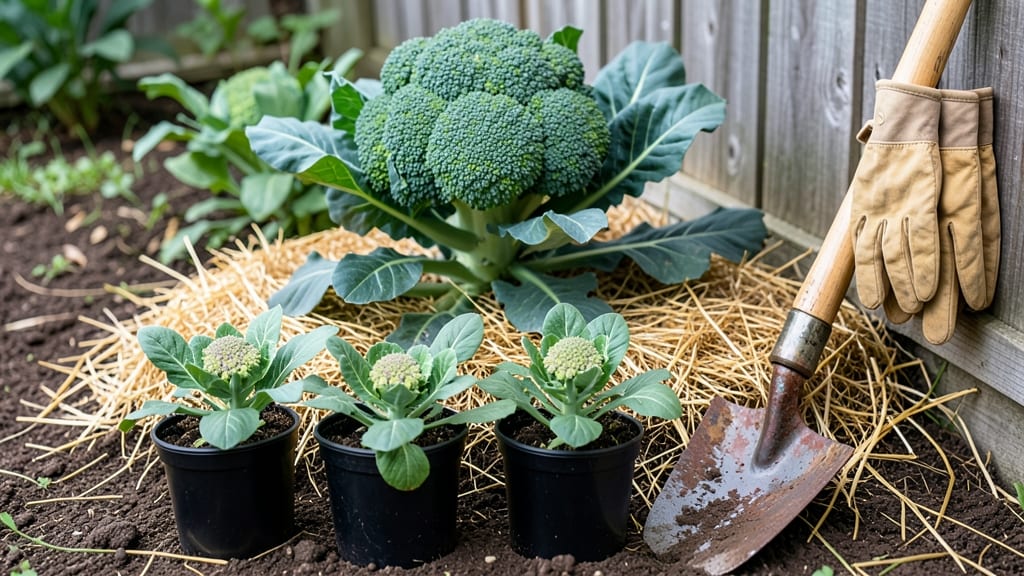
To plant a fall garden in Florida, start seeds indoors or outdoors 8 to 10 weeks before your first frost—typically late July for North Florida and early August for South Florida.
Florida’s long growing season means you can enjoy fresh produce year-round—but timing your fall garden wrong can lead to wilting plants and wasted seeds. The key is working with the heat, not against it, by choosing heat-tolerant crops and planting at the right moment.
Most Florida gardeners miss the window because they focus on frost dates, but our subtropical climate demands a different approach. Learn the exact planting windows for your region, plus the best heat-resistant crops that thrive when others fail.
In this guide, you’ll discover the critical planting dates for North vs. South Florida, the top 12 heat-tolerant varieties that perform best, and the common mistakes that kill fall gardens before they even begin.
Florida fall planting calendar: exact dates by region (North vs. central vs. south)
Florida’s fall planting season is your golden opportunity to grow heat-tolerant crops before winter sets in—but timing varies dramatically between North Florida (USDA zones 7B-8A), Central Florida (zone 8B-9A), and South Florida (zone 10A).
Miss the window, and you’ll battle humidity spikes or unpredictable frosts that can ruin your harvest. Let’s break down the exact planting dates for both warm-season holdovers and cool-season starters so you can plan like a pro.
Hurricane season (June–November) adds another layer of complexity. While storms can delay planting, they also flush out old soil nutrients—so test your soil after September to adjust pH before seeding. In North Florida, where first frost can hit as early as mid-November, you’ll prioritize fast-maturing crops.
Meanwhile, South Florida gardeners can stretch their season until December with heat-tolerant varieties.
Below is your region-specific planting calendar for Florida’s fall garden, organized by crop type and microclimate. Use this as your roadmap to avoid wasted seeds and stunted growth.
| Region | Crop Type | Planting Window | Key Notes |
|---|---|---|---|
| North Florida (Zones 7B-8A) | Warm-Season Holdovers (Tomatoes, Peppers, Okra) |
Start August 15–31 Transplant by September 15 |
Use heat-tolerant varieties like 'Celebrity' tomatoes. Mulch heavily to retain moisture. |
| North Florida (Zones 7B-8A) | Cool-Season Starters (Lettuce, Kale, Carrots) |
Direct sow September 1–15 Transplant by October 1 |
Choose slow-bolting varieties like 'Winter Density' kale. Protect from early frosts with row covers. |
| Central Florida (Zones 8B-9A) | Warm-Season Holdovers (Sweet Potatoes, Black-Eyed Peas) |
Plant slips July 20–August 15 Harvest before November 15 |
Prioritize drought-resistant varieties like 'Beauregard' sweet potatoes. Irrigate deeply post-hurricane. |
| Central Florida (Zones 8B-9A) | Cool-Season Starters (Spinach, Radishes, Turnips) |
Sow seeds September 15–October 15 Successive plantings every 2 weeks |
Use shade cloth (30%) to prevent bolting. Soil temp should be 60–75°F. |
| South Florida (Zone 10A) | Warm-Season Extenders (Malabar Spinach, Yam Beans) |
Plant August 1–September 30 Harvest until December 15 |
No frost risk—focus on soil moisture during dry spells. Use drip irrigation. |
| South Florida (Zone 10A) | Cool-Season Options (Collards, Mustard Greens) |
Direct sow September 15–October 31 Grow through winter |
These thrive in cool but not freezing temps. Fertilize with low-nitrogen blend. |
| 🌱 Universal Tip: For all regions, test soil pH (6.0–7.0) and amend with compost 2–3 weeks before planting. Mulch with 2–3 inches of straw or pine needles to conserve moisture. | |||
For North Florida, your last chance to plant warm-season crops like tomatoes is late August. After that, shift to cool-season greens by mid-September to avoid bolting (when plants flower prematurely). I’ve seen gardeners in Gainesville lose entire lettuce crops by planting too late—don’t let that be you!
In Central Florida, where Orlando’s microclimates can vary by just a few miles, aim to have warm-season crops established by September 1. This gives them 8–10 weeks of growth before cooler temps slow them down. For cool-season crops, start radishes (they mature
Heat-tolerant fall vegetables that thrive in Florida’s climate (and when to start them)
Florida’s warm winters create the perfect opportunity to grow heat-tolerant vegetables that most northern gardeners can’t even attempt. Unlike traditional fall crops, these varieties thrive in 70-85°F soil temperatures and won’t bolt or wilt during our mild winters.
The key is planting them at the right time—too early, and they’ll struggle with summer heat; too late, and they won’t mature before cooler temperatures set in.
For North Florida (Zones 7B-8A), aim to start seeds or transplant 6-8 weeks before your first frost (typically late August to early September). In Central Florida (Zone 9A), you can extend planting into October, while South Florida (Zones 10A-11) gardeners can plant year-round with minimal seasonal adjustments.
Below are my top 12 heat-tolerant varieties that consistently deliver in Florida’s fall garden.
🌱 Florida’s Best Heat-Tolerant Fall Vegetables
- Malabar Spinach | Soil Temp: 65-90°F | Plant: Aug-Sept (North FL) / Sept-Oct (Central/South FL) | Companion: Okra, Peppers
- Okinawan Sweet Potatoes | Soil Temp: 70-85°F | Plant: June-July (slips) / Aug-Sept (seeds) | Companion: Bush Beans, Corn
- Black-Eyed Peas (Cowpeas) | Soil Temp: 70-90°F | Plant: Aug-Sept (direct sow) | Companion: Sweet Potatoes, Okra
- Yam Beans | Soil Temp: 75-95°F | Plant: July-Aug (direct sow) | Companion: Peppers, Tomatoes
- New Zealand Spinach | Soil Temp: 60-85°F | Plant: Aug-Sept (transplant) | Companion: Lettuce, Radishes
- Collard Greens ('Georgia Southern') | Soil Temp: 70-80°F | Plant: Sept-Oct (transplant) | Companion: Onions, Carrots
- Swiss Chard ('Bright Lights') | Soil Temp: 65-80°F | Plant: Aug-Sept (transplant) | Companion: Beets, Lettuce
- Cassava (Yuca) | Soil Temp: 75-90°F | Plant: April-May (cuttings) | Companion: Peanuts, Sweet Potatoes
Pro Tip: For extended harvests, succession plant every 2-3 weeks after your initial planting. Use shade cloth (30-50%) in South Florida to protect tender greens from intense afternoon sun during September-October.
One of my favorite companion planting tricks for Florida’s fall garden is pairing okra with sweet potatoes—the okra’s deep roots help aerate the soil while the sweet potatoes’ vines provide shade. For leafy greens like Malabar spinach, interplant with radishes to mark rows and deter pests.
Always amend your soil with compost and aged manure before planting, as Florida’s sandy soils drain too quickly for heat-tolerant crops.
Monitor your garden’s soil temperature using a soil thermometer—most heat-tolerant seeds need 65°F+ to germinate. If temperatures dip below 60°F at night, use row covers or cold frames to protect young plants.
In South Florida, you can even grow winter squash ('Cocozelle') year-round with minimal care, as it thrives in 80-90°F conditions.
Remember, Florida’s hurricane season peaks in September-October, so have a backup plan for young seedlings. If storms are forecasted, prioritize hardening off tender plants by gradually reducing water and providing afternoon shade.
With the right timing and these heat-loving varieties, your fall garden will outperform spring plantings every time!