
Planting
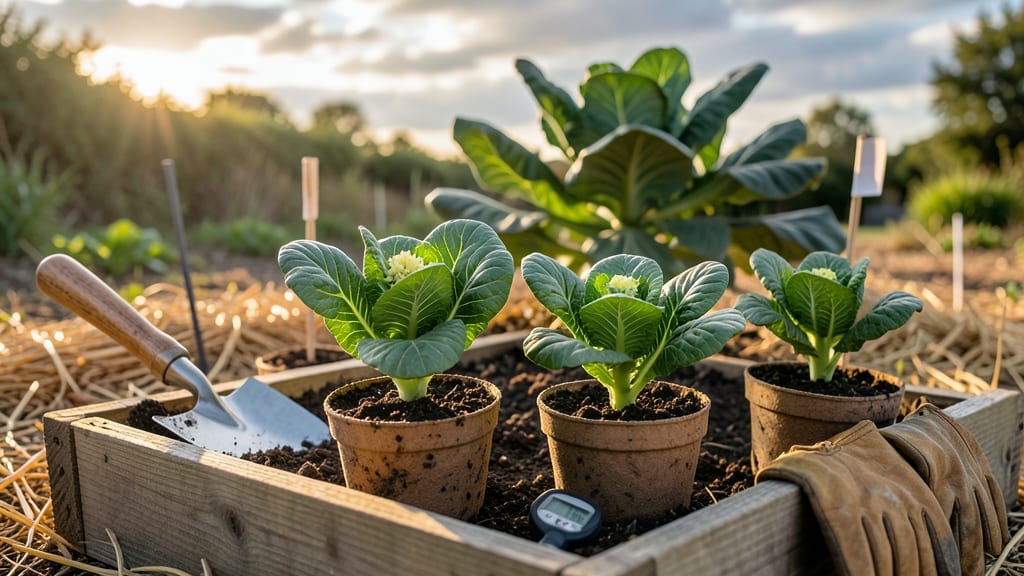
To plant a fall garden in Louisiana, aim for late July through early October — timing that lets heat-loving crops like okra and sweet potatoes mature before the first frost 🥬.
Louisiana’s long, hot summers can make fall gardening a game-changer—but planting too early or late means wasted effort. Timing is everything, and missing the window by even a few weeks can spell disaster for your heat-loving crops.
In zones 8a-9b, the key is balancing summer’s lingering heat with the approaching chill. Start warm-season crops like collards and malabar spinach in August, while cooler-loving greens like kale and carrots wait until September.
Below, I’ll break down the exact deadlines by crop, soil prep tricks to beat Louisiana’s humidity, and how to stretch your harvest until December—without losing everything to frost.
Louisiana fall planting deadlines by crop type: heat-tolerant varieties explained
Louisiana’s fall planting season is a golden opportunity to grow heat-tolerant crops like okra and sweet potatoes while cool-season staples like kale and broccoli thrive. The key? Planting at the right time to avoid hurricane damage or early frost, which typically hits around mid-November in most of the state.
Warm-season crops like Malabar spinach and black-eyed peas need 60–85°F soil temperatures to germinate, while cool-season crops like carrots and turnips prefer 50–70°F. Missing these windows means stunted growth or total crop failure—especially in USDA Zones 8a–9b, where summers linger longer.
Here’s your crop-by-crop breakdown of Louisiana’s fall planting deadlines, including last-chance dates before frost risk. Use this as your guide to maximize yields and avoid common mistakes.
🌱
| Crop Type | Ideal Planting Window | Last-Chance Date (Before Frost) | Heat-Tolerant Varieties | Soil Temp for Germination |
|---|---|---|---|---|
| Warm-Season Crops | Late July–Early August | September 15 (North LA) / October 1 (South LA) | Okra ‘Clemson Spineless’, Sweet Potato ‘Beauregard’, Malabar Spinach | 60–85°F |
| Cool-Season Crops (Leafy Greens) | Mid-August–Late September | October 15 (North LA) / November 1 (South LA) | Kale ‘Winterbor’, Broccoli ‘De Cicco’, Lettuce ‘Black Seeded Simpson’ | 50–70°F |
| Root Crops | Late August–Early September | October 30 (North LA) / November 10 (South LA) | Carrots ‘Danvers’, Turnips ‘Purple Top’, Radishes ‘Cherry Belle’ | 55–75°F |
| Legumes | Early August–Mid-September | October 1 (North LA) / October 15 (South LA) | Cowpeas ‘Purple Hull’, Peas ‘Oregon Sugar Pod’ | 60–80°F |
For warm-season crops, the July–early August window is critical. Planting after August 15 risks bolting or poor germination due to cooling soils. Okra and sweet potatoes, for example, need consistent warmth to mature before frost. If you miss this window, consider container gardening to extend the season indoors.
Cool-season crops like kale and broccoli can handle light frosts (down to 25°F), but planting too late means bolting or bitter flavors. Aim for mid-August to late September to ensure a 90–120-day harvest before the first frost. Succession planting every 2–3 weeks after the initial date maximizes yield.
Root crops like carrots and turnips are trickier—they need loose, well-draining soil to avoid deformities. Plant them 4–6 weeks before your first frost date (typically late August–early September in Louisiana). If you’re in Zone 9b, you might squeeze in a second planting in October for a winter harvest.
Pro tip: Use a soil thermometer to confirm temperatures before planting. Warm-season crops won’t germinate below 60°F, while cool-season crops struggle above 80°F. If your soil is too hot, shade it with row covers or wait a few days.
🌿
One common mistake? Ignoring hurricane season. If a storm hits in late August or
5 Signs your Louisiana fall garden is ready to plant (and 3 common mistakes)
Fall gardening in Louisiana isn’t just about picking a date—it’s about reading your environment. The right timing ensures your heat-loving crops thrive before early frost hits. But how do you know when to start?
Look for these 5 key signs your garden is ready, plus the 3 mistakes that sabotage even the best-laid plans.
First, check your soil temperature. Louisiana’s ideal range for fall planting is 65–85°F. Use a soil thermometer—if it’s dropping below 65°F, wait. Cool soil slows germination, and your seeds will either rot or sprout too late.
I’ve seen okra and sweet potatoes bolt prematurely when planted in warm-but-dropping soil, ruining the harvest.
Next, monitor humidity levels. Louisiana’s humid climate can trick you into thinking it’s dry when it’s not. Aim for 50–70% humidity—any higher, and fungal diseases like powdery mildew or damping off become a risk.
I test humidity with a hygrometer and adjust planting if it’s creeping above 75%. A quick fix? Plant in raised beds with well-draining soil to reduce moisture buildup.
🌱🚨 NON-NEGOTIABLE: numbered highlights ELEMENT 🚨🌱
- Soil Temp: 65–85°F (use a thermometer!)
- Humidity: 50–70% (avoid fungal risks)
- Pest Activity: Squash bugs decline by late August
- Day Length: 12+ hours of daylight (optimal for growth)
- First Frost: November 15 (plant 4–6 weeks before)
Now, watch for pest activity. In Louisiana, squash bugs and aphids peak in summer but taper off by late August. If you’re seeing fewer pests, it’s a green light to plant. I’ve also noticed cabbage worms become less aggressive as temperatures drop—this is your cue to add broccoli or kale to the rotation.
Don’t ignore day length, either. Louisiana’s fall days gradually shorten, but you want 12+ hours of daylight for robust growth. If days dip below 11 hours, your plants may bolt prematurely or grow leggy.
I mark my calendar for September 15 as the last safe window for warm-season crops like tomatoes or peppers.
The 3 biggest mistakes I see? Overwatering, nutrient burnout, and ignoring frost dates. Louisiana’s humid air can fool you into thinking plants need more water—they don’t. Stick to 1–2 inches per week and let the soil dry slightly between waterings.
As for nutrients, over-fertilizing in late summer leads to leafy growth but fewer fruits. Use a balanced 10-10-10 fertilizer sparingly, and always water after applying.
Finally, know your frost date. Louisiana’s average first frost is November 15, but don’t rely on averages. Check your local USDA Zone (8a–9b) and plant cool-season crops like carrots or spinach 4–6 weeks before. I’ve lost entire lettuce patches to unexpected frost—don’t make the same mistake.