
Planting
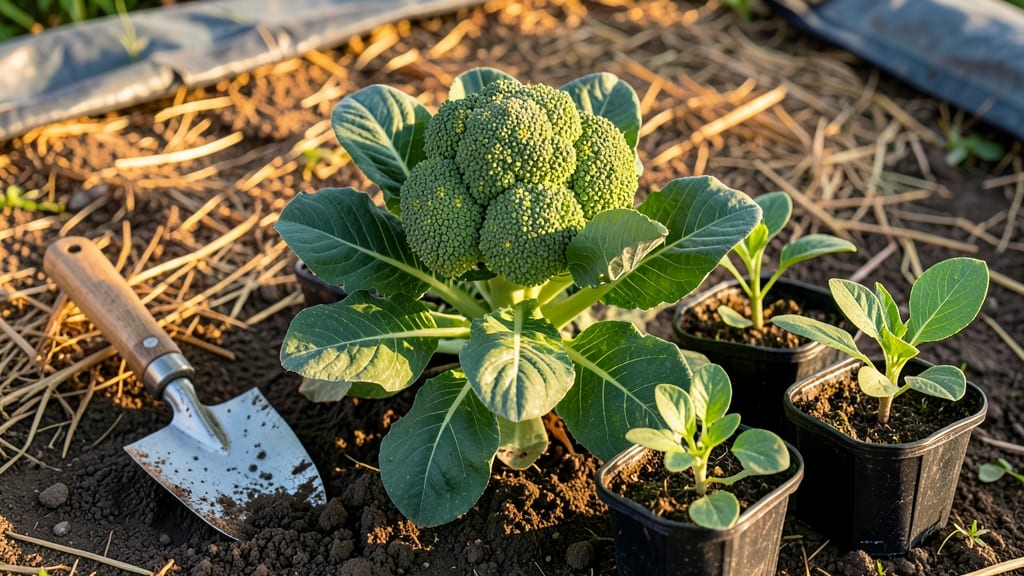
Plant your fall garden in North Carolina between mid-August and early October to beat the heat and the frost 🌱—timing this window means the difference between a bumper harvest and a sad, wilted mess.
Here’s the catch: North Carolina’s heat zones stretch from the cooler mountains to the sweltering coast, and planting too early in the Piedmont or too late in the Outer Banks can turn your garden into a science experiment gone wrong.
In this guide, I’ll break down the exact weeks to start seeds and transplant seedlings by zone, which crops thrive in your neck of the woods, and how to tweak your schedule if summer lingers or frost arrives early.
You’ll leave here with a custom planting calendar, soil prep secrets for NC’s clay-heavy soil, and the three biggest mistakes that kill fall gardens before they even get going.
NC fall planting calendar by heat Zone: exact dates for frost-free success
North Carolina’s fall planting window is a gardener’s goldmine, but success hinges on understanding your USDA heat zone (7b-8a) and avoiding summer’s scorching temperatures. In Zone 7b, first frost typically arrives by November 15, while Zone 8a gardeners can push crops until October 31.
Plant too early, and seedlings will bolt in the heat; too late, and frost will nip harvests before maturity.
Cool-season crops like kale, carrots, and radishes thrive when soil temperatures drop below 85°F. Start seeds indoors 4-6 weeks before your zone’s first frost date to give them a head start.
For direct sowing, wait until late August in Zone 7b or early September in Zone 8a, when daytime highs dip below 90°F.
For Zone 7b gardeners, prioritize fast-maturing crops like radishes (30 days) and bush beans (50 days) to harvest before frost. In Zone 8a, you can extend your season with cabbage (80 days) or turnips (60 days), but start them by September 10 to avoid winter kill.
Use row covers to push harvests into November for hardier varieties like kale or spinach.
Soil preparation is key—amend beds with compost and aged manure in late summer to improve drainage and fertility. Test your soil’s pH; most cool-season crops prefer 6.0-7.0.
In heavy clay soils (common in the Piedmont), mix in sand or peat moss to prevent waterlogging, which can rot roots before harvest.
Succession planting is your secret weapon for a continuous harvest. Sow lettuce and radishes every 2 weeks from late August through September. For broccoli and cauliflower, stagger plantings every 3 weeks to ensure a steady supply.
In Zone 8a, you can even squeeze in a winter squash crop by planting pumpkins or butternut squash by August 15—they’ll mature before frost.
Monitor nighttime temperatures closely. When lows dip below 50°F, protect tender seedlings with floating row covers or cloches. In Zone 7b, expect light frosts by November 1, while Zone 8a may see hard frosts as early as October 20.
Use mulch (straw or leaves) to insulate roots and extend the growing season by 2-3 weeks.
Pest pressure shifts in fall—cabbage worms and aphids thrive on cool-season crops. Apply neem oil or row covers proactively. For slugs, set out beer traps or use diatomaceous earth around plant bases. In Zone 8a, watch for whiteflies on brassicas; treat with insecticidal soap if infestations appear.
Harvest strategies vary by crop.
For leafy greens, pick outer leaves to encourage regrowth. Root vegetables like carrots and beets should be pulled when tops are 3-4 inches tall—waiting too long makes them woody. Brassicas (broccoli, cabbage) are best harvested before hard frost; cut heads when tight and
Best fall vegetables for NC gardens: what to plant and when
Fall gardening in North Carolina rewards patience with hearty harvests, but selecting the right cold-hardy vegetables and planting at the perfect time is key. The Coastal Plain (Zone 8a) and Mountain regions (Zone 6b) have different frost dates, so timing matters.
For example, broccoli sown too early in Raleigh will bolt in August heat, while spinach planted too late in Asheville may freeze before maturity.
Start by calculating your first frost date—typically late October in the Piedmont and early November along the coast. Most cool-season crops need 45-60 days to mature, so plan accordingly.
Soil temperatures below 60°F signal it’s time to switch from summer crops to fall favorites like kale and carrots, which thrive in cooler weather.
5 Fastest-Growing Fall Crops for NC
- 🌱 Radishes – Ready in 25-30 days. Sow 6-8 weeks before frost for quick harvests. Ideal for sandy loam soils.
- 🌿 Lettuce – Matures in 30-40 days. Plant late August to early September in partial shade to prevent bolting.
- 🥬 Spinach – Harvest in 35-50 days. Start seeds 7-10 weeks before frost; tolerates light frosts (25°F).
- 🥕 Turnips – Roots ready in 40-50 days. Direct-sow mid-August to late September; loosen clay soils to prevent forking.
- 🌿 Arugula – Fastest in 30-45 days. Scatter seeds 6-8 weeks before frost; thrives in cool, moist conditions.
For heavy clay soils common in the Piedmont, amend beds with compost and sand before planting. Sandy soils along the coast drain too quickly, so mix in organic matter like peat moss to retain moisture.
Test soil pH—most brassicas (broccoli, cabbage) prefer 6.0-7.0, while leafy greens tolerate slightly acidic soil (5.8-6.5).
Broccoli and cauliflower are workhorses of fall gardens, but they need consistent moisture. Water deeply 2-3 times per week once seedlings emerge, focusing on the root zone. Mulch with straw or shredded leaves to insulate roots and suppress weeds.
In Zone 7b, transplant broccoli starts by mid-September for a late fall harvest before hard frosts hit.
Don’t overlook root vegetables like carrots and beets—they store well and add color to your fall table. Sow carrot seeds in well-drained, rocky-free soil by early September; they mature in 60-70 days.
Thin seedlings to 2-3 inches apart to prevent competition. For beets, harvest greens first (in 30 days) or let roots swell for 50-60 days.
Extend your harvest into winter by protecting tender crops with row covers or cold frames. Kale and collard greens sweeten after light frosts and can survive down to 15°F with mulch.
Plan your fall garden now, and you’ll enjoy fresh produce straight from your NC soil well into December! 🌿