
Planting
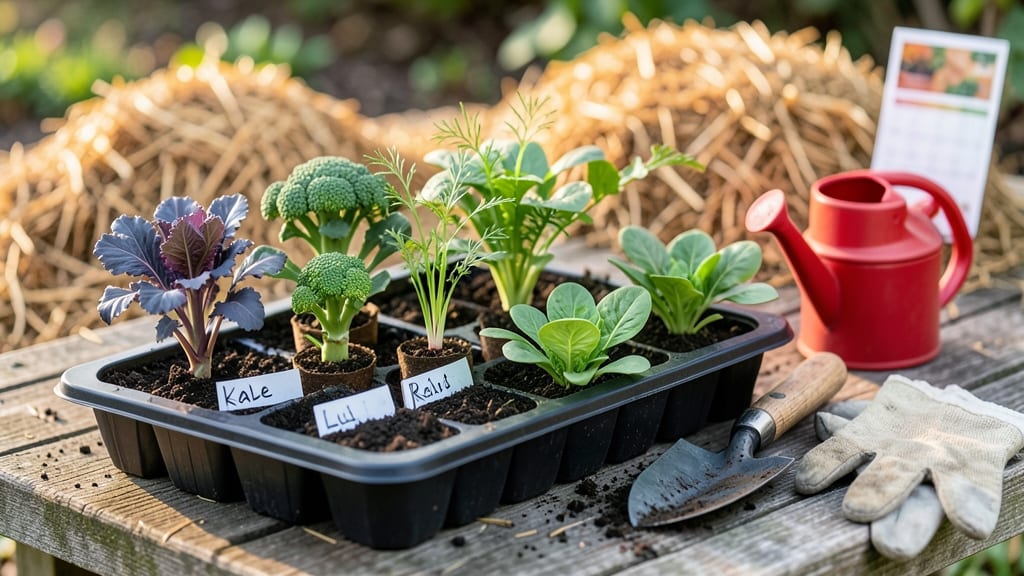
To plant a fall garden in North Texas, aim for late August through mid-October — the window where heat fades and frost stays at bay for 60-90 days of harvests.
North Texas gardeners know the struggle: scorching summers and unpredictable fall weather can make or break your harvest. But with the right timing, you can plant a thriving fall garden that outlasts the heat and avoids early frost—here’s exactly how.
This isn’t just about dates—it’s about matching heat-tolerant crops like tomatoes and peppers to your microclimate. Urban areas run hotter than rural spots, and soil prep now means the difference between a bountiful November harvest and a sad December stubble.
Below, I’ll walk you through the exact planting calendar for Zone 8a, the best crops for late-summer heat, and how to stretch your season past the first frost—without losing your sanity (or your greens).
North Texas fall planting calendar: exact dates for heat-tolerant crops by Zone
North Texas gardeners face a unique challenge: balancing the lingering summer heat with the approaching fall chill. The key to a successful fall garden lies in planting heat-tolerant crops at the right time—typically late August through mid-October—to ensure they mature before the first frost (usually around November 15).
But don’t worry—this calendar breaks down the exact planting windows for your USDA Zone 8a/8b area, including adjustments for early or late summers.
For North Texas Zone 8a/8b, the fall planting season starts earlier than you might think. While many gardeners wait for cooler weather, heat-loving crops like tomatoes, peppers, and okra actually thrive when planted in late summer.
The trick is to time it so these plants can mature before temperatures drop—aim for 60-90 days to harvest before frost. Below, you’ll find the exact planting dates tailored to your zone, plus tips for adjusting if your summer runs hotter or cooler than average.
| Crop | Zone 8a Planting Window | Zone 8b Planting Window | Days to Maturity | Notes |
|---|---|---|---|---|
| Tomatoes | Late August - Early September | Late August - Mid-September | 60-75 days | Choose heat-tolerant varieties like 'Arkansas Traveler' or 'Celebrity'. |
| Peppers (Bell/Jalapeño) | Late August - Early September | Late August - Mid-September | 60-80 days | 'Jalapeño M' and 'Carolina Wonder' handle heat well. |
| Okra | Early August - Late September | Early August - Early October | 50-60 days | Extremely heat-tolerant—plant early for a long harvest. |
| Sweet Potatoes | Mid-July - Early September | Mid-July - Mid-September | 90-120 days | Start slips 6-8 weeks before last frost for a fall harvest. |
| Southern Peas (Cowpeas) | Late July - Early September | Late July - Mid-September | 60-70 days | Drought-resistant and heat-loving—perfect for late summer. |
| Eggplant | Late August - Early September | Late August - Mid-September | 70-85 days | 'Black Beauty' and 'Ichiban' are heat-tolerant varieties. |
If your summer is hotter than usual, you may need to adjust your planting dates slightly earlier. For example, if temperatures stay above 90°F for weeks, start okra or southern peas in early August to avoid stressing young plants.
Conversely, if your summer cools down faster, you can push planting dates 1-2 weeks later—just ensure your crops have enough time to mature before November 15.
For Zone 8a, which tends to have slightly cooler nights, focus on planting tomatoes and peppers by early September to give them enough time to ripen.
In Zone 8b, where summers can linger longer, you have a bit more flexibility—extend your pepper and eggplant planting window to mid-September. Always check your local frost dates and adjust accordingly, as microclimates (like urban heat islands) can shift these windows by 1-2 weeks
How to extend your fall garden season without losing crops to frost
North Texas' unpredictable fall weather can turn a promising harvest into a frost-damaged disappointment—but don't give up just yet. With the right strategies, you can push your garden's productivity well into November or December while minimizing frost damage.
The key lies in combining cold-hardy varieties, protective row covers, and smart succession planting.
First, focus on soil preparation. Healthy soil with added organic matter helps plants withstand cooler temperatures. Amend your beds with compost or aged manure 4-6 weeks before planting to give roots a nutrient boost. This also improves water retention, which is crucial as fall rains become less frequent.
Next, choose cold-tolerant varieties that thrive in North Texas' USDA Zone 8a. Kale, collards, spinach, and broccoli varieties like 'De Cicco' can handle light frosts, while turnips and carrots add sweetness after exposure to 25-30°F temperatures. These plants often produce better flavors when grown in cooler weather.
- Use row covers (floating or fixed) to protect plants from 28-32°F temperatures. These lightweight fabrics allow sunlight and water while blocking frost.
- Plant succession crops every 2-3 weeks from mid-August to mid-September to ensure continuous harvests as summer crops fade.
- Mulch heavily with straw or leaves (3-4 inches) to insulate soil and roots from temperature swings.
- Choose late-maturing varieties like 'Black Krim' tomatoes or 'Winter Density' kale that ripen slowly in cooler weather.
- Water deeply before frost to build root hardiness—aim for 1 inch of water per week until ground freezes.
For high-value crops like tomatoes and peppers, consider using low tunnels or cold frames. These portable structures can extend the season by 2-4 weeks by trapping heat during the day and releasing it slowly at night.
Even a simple hoop house made with PVC pipes and row cover fabric works wonders for protecting tender plants.
Don't overlook the power of succession planting. Instead of planting everything at once, stagger your leafy greens and root vegetables every 10-14 days. This ensures you'll have fresh harvests even as temperatures drop.
Fast-growing crops like radishes (ready in 25 days) and bush beans (ready in 50 days) are perfect for this strategy.
Finally, monitor your local frost forecast and have emergency protection ready. Old bedsheets, cardboard boxes, or even plastic milk jugs (cut in half) can shield sensitive plants from sudden cold snaps.
With these techniques, you'll be harvesting homegrown greens and root vegetables well into December—proving that North Texas' fall garden season doesn't have to end with the first frost! 🌱