
Planting
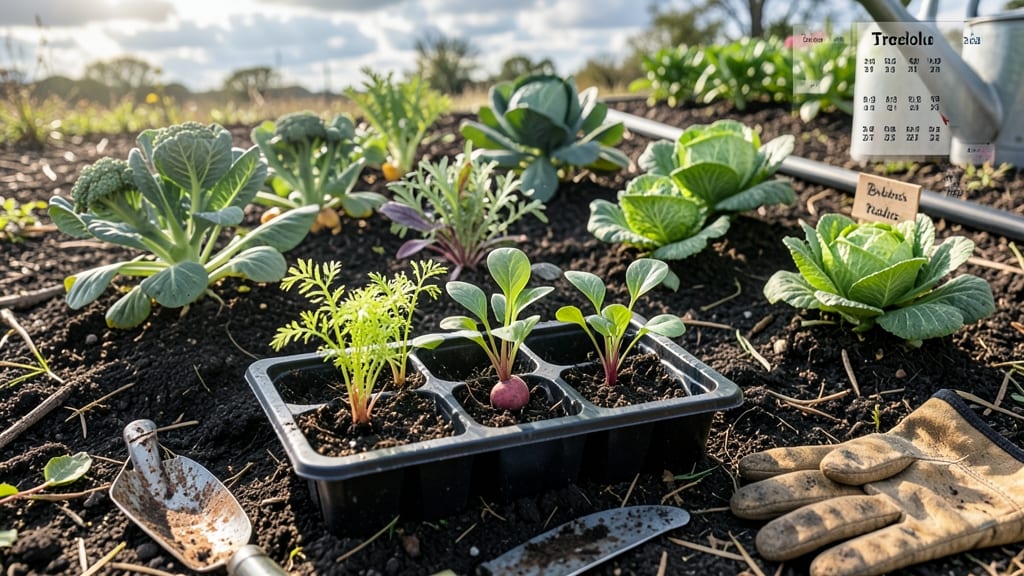
Planting a fall garden in Texas means timing it right—between late August and early October—to beat the heat and dodge the first frost.
Texas gardeners know timing is everything—plant too early, and your fall harvest gets scorched by summer heat; too late, and frost ruins your efforts. But knowing exactly when to plant a fall garden in Texas can mean the difference between a thriving harvest and wasted seeds.
With USDA zones 8a-10b and variable frost dates, the key is working with your region’s climate. North Texas faces frost by mid-November, while South Texas can push crops into January. The goal? Start seeds 6-8 weeks before your first frost to ensure a full harvest before winter sets in.
In this guide, I’ll break down the best planting windows by region, the top fall crops for Texas heat and frost, and how to extend your growing season without risking damage. Let’s get your fall garden off to the right start!
Texas fall planting calendar: exact dates by region (avoid these 3 deadline mistakes)
Texas gardeners know timing is everything—plant too early, and your fall harvest gets scorched by summer heat; too late, and frost ruins your efforts. The key to success lies in understanding your USDA hardiness zone and first-frost dates, which vary dramatically across North, Central, and South Texas.
Missing these windows by even a week can mean the difference between a bountiful harvest and wasted seeds.
Let’s break down the exact planting windows for each Texas region, including the 3 most common timing mistakes and how to avoid them. Whether you're growing heat-tolerant greens or frost-sensitive brassicas, these dates will help you plan like a pro.
Your first mistake? Planting frost-sensitive crops like broccoli or cabbage too early in the season. These plants thrive in cooler temperatures but will bolt or rot if exposed to lingering summer heat.
For example, in North Texas, plant these by September 15 to avoid heat stress before the first frost hits in mid-November.
Second, many gardeners forget about succession planting. Instead of planting everything at once, stagger your leafy greens like lettuce or spinach every 2-3 weeks to ensure a continuous harvest. This is especially critical in Central Texas, where the planting window extends later into October.
Third, don’t assume all of Texas follows the same frost timeline. South Texas gardeners can push their planting season well into November, while those in North Texas must act faster.
For instance, heat-tolerant crops like Swiss chard or kale can handle early August planting in South Texas but will struggle in the North if planted before mid-August.
To maximize your fall garden, start by preparing your soil in late July with compost and a balanced fertilizer. This gives your plants a strong foundation before the peak planting windows arrive.
For North Texas, focus on fast-maturing crops like radishes or bush beans, while South Texas can afford slower growers like carrots or Brussels sprouts.
Always check your local first-frost date from the Texas A&M AgriLife Extension for precise timing. Even a week’s delay can mean the difference between a thriving garden and one that struggles against the elements.
With these exact dates and tips, you’ll avoid the three biggest mistakes and enjoy a fall harvest that rivals any Texas garden.
Pro tip: Use a gardening journal to track your planting dates and note which crops thrive in your microclimate. This will help you refine your strategy year after year.
Best fall vegetables for Texas heat & frost: what to plant for maximum yield
Texas's fall garden success hinges on selecting heat-tolerant varieties that thrive in lingering summer heat while still maturing before frost. The key is balancing fast-maturing crops with those that handle mild fall temperatures.
My top picks include both classic favorites and lesser-known varieties that perform exceptionally well in Texas's unique climate.
Start with leafy greens like 'Black Seeded Simpson' lettuce, which tolerates 90°F heat and matures in just 30 days. Pair it with 'Red Russian' kale, a cold-hardy variety that sweetens after light frost. These workhorse crops provide quick harvests while building soil health through their deep roots.
For root vegetables, opt for 'Danvers' carrots or 'Paris Market' turnips, both of which handle Texas's sandy soils and mature before frost. Their 60-day harvest windows align perfectly with Texas's October-November growing season.
Don't overlook 'Texas Blue' pumpkins—this native variety thrives in heat and produces hearty fruit even when nights cool.
🌱 Texas Fall Planting Guide by Heat Tolerance
-
Heat-Tolerant (Plant Aug-Sept)
- Okra ('Clemson Spineless) - 60 days, handles 100°F+
- Southern Peas ('Purple Hull) - 90 days, drought-resistant
- Sweet Potatoes ('Beauregard') - 100 days, thrives in heat
-
Moderate Tolerance (Plant Sept-Oct)
- Collards ('Georgia Southern) - 60 days, sweetens with frost
- Broccoli ('De Cicco') - 55 days, bolt-resistant
- Kale ('Winterbor') - 50 days, cold-hardy
-
Frost-Tolerant (Plant Oct-Nov)
- Spinach ('Bloomsdale') - 40 days, handles light frost
- Radishes ('Cherry Belle') - 25 days, fast harvest
- Cilantro ('Santo') - 50 days, bolt-resistant
Pro Tip: Succession plant fast growers like radishes every 2 weeks for continuous harvests!
Don't forget herbs that thrive in fall like 'Mexican Tarragon', which handles Texas's dry air and continues growing until frost. Its anise-like flavor makes it perfect for fall cooking.
For flavor boosters, try 'Black Beauty' Swiss chard—its colorful stems add visual appeal while providing nutrient-dense leaves that improve with light frost.
My secret weapon for Texas fall gardens is 'Texas Purple' eggplant. This heat-loving variety produces large, glossy fruit even when days shorten. Plant it in well-draining soil with mulch to retain moisture, and you'll enjoy harvests until November's first frost.
Pair it with 'Jalapeño M' peppers for a spicy kick that thrives in fall's cooler nights.
For maximum yield, time your planting sequences carefully. Start with heat-tolerant crops in August, then transition to moderate-tolerance varieties in September, and finish with frost-hardy plants in October. This staggered approach ensures you're always harvesting something while making the most of Texas's extended growing season. 🌿