
Planting
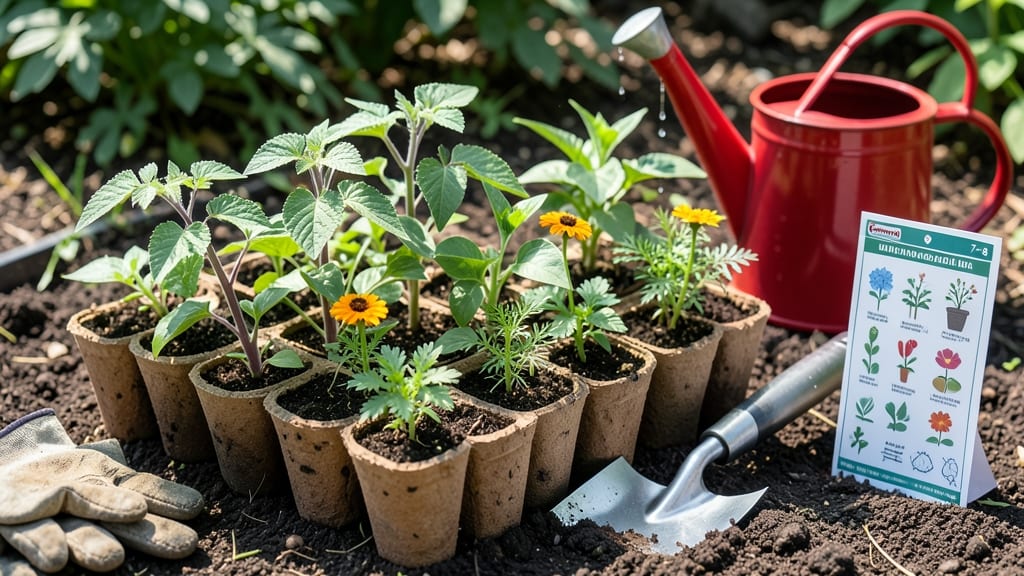
Planting your garden in Alabama at the right time means the difference between a bountiful harvest and a sad, wilted mess—especially when frost dates shift yearly and heat arrives early.
Alabama’s warm climate and unpredictable frost dates can turn gardening into a high-stakes guessing game. Plant too early, and your seedlings freeze; too late, and summer heat zaps your harvest. Mastering the perfect planting window ensures your garden thrives year-round, whether you’re growing tomatoes, peppers, or cool-season greens.
With USDA Zones 7A–8B across the state, timing varies by region—North Alabama’s last frost often lingers into April, while South Alabama may see warm soil as early as February.
This guide breaks down the exact months for spring, summer, and fall planting, plus heat-zone-specific crop calendars to keep your 🌱 thriving.
You’ll also discover pro tips like using row covers to extend the season, choosing heat-resistant varieties, and reading soil temperature cues. No more guessing—just a foolproof timeline for Alabama’s most productive planting schedule.
Alabama planting zones & frost dates: your 2024 timeline by region
Alabama’s 8 USDA planting zones (7A–8B) create a diverse gardening landscape where last frost dates can vary by 3+ weeks from north to south. Whether you're in cool mountain zones (7A) or hot coastal regions (8B), understanding these timelines helps you avoid frost damage while maximizing your growing season.
Northern Alabama (zones 7A–7B) typically sees its last frost between February 15–March 15, while southern zones (8A–8B) can plant as early as January 15–February 1.
First frosts arrive October 15–December 15, with northern areas freezing earlier. These variations mean heat-loving plants like tomatoes thrive in southern zones but need row covers in the north.
Microclimates add another layer of complexity. Urban areas like Birmingham often experience urban heat islands, delaying first frosts by 1–2 weeks compared to rural areas. Meanwhile, coastal regions (e.g., Mobile) enjoy longer frost-free seasons due to moderating ocean breezes.
Always adjust your planting dates based on your specific location’s historical frost records.
For cool-season crops like lettuce and broccoli, aim to plant 4–6 weeks before your last frost date.
In zone 7A, that means late January starts, while zone 8B gardeners can begin in mid-December. Warm-season plants like tomatoes and peppers need soil temperatures above 60°F, typically 2–4 weeks after your last frost.
Southern Alabama’s longer growing season allows for double cropping. For example, plant radishes in early spring, followed by okra in late spring, and then spinach in fall. In northern zones, focus on fast-maturing varieties or use season extenders like cold frames to protect tender plants.
Always check Alabama Extension’s frost maps for real-time updates, as unpredictable weather patterns can shift frost dates. For instance, the 2023 late-March freeze caught many gardeners off guard, damaging early tomatoes and peppers. Keeping a garden journal helps you track local patterns year after year.
In zone 8B, you can even grow tropical plants like okra and sweet potatoes year-round, while zone 7A gardeners must time their fall planting carefully to harvest before October’s first frost. Adjust your planting schedule based on your zone and microclimate to ensure a bountiful harvest.
Pro tip: Use biodegradable row covers to extend your spring and fall planting windows by 2–3 weeks. This simple tool can mean the difference between a failed crop and a successful harvest in Alabama’s unpredictable climate.
Remember, Alabama’s growing season isn’t just about frost dates—it’s also about humidity, heat waves, and soil moisture. Plan your garden with these factors in mind to maximize your yields and minimize stress.
Best crops to plant by Alabama season: cool vs. warm weather strategies
Alabama’s gardening season isn’t just about spring and summer—it’s a year-round adventure if you know the perfect planting windows. Cool-season crops like lettuce and broccoli thrive when temperatures dip below 80°F, while okra and sweet potatoes demand the heat.
The key? Timing your plantings to match Alabama’s microclimates and avoiding common pitfalls like bolting greens or wilting tomatoes.
In North Alabama (Zones 7A–7B), you’ll plant cool crops like peas and spinach as early as February, while South Alabama (Zones 8A–8B) gardeners can start warm-season crops like squash in March.
The trick is succession planting—staggering seeds every 2–3 weeks—to keep harvests flowing without gaps. Let’s break down the best crops for each season and how to make them thrive.
Plant lettuce, peas, broccoli, and spinach 4–6 weeks before last frost (typically Feb–March). Use row covers for early starts.
Sow okra, sweet potatoes, and melons after soil reaches 70°F+ (usually April–May). Mulch heavily to retain moisture.
Direct-sow kale, radishes, and turnips in August–September for fall harvests. Use black plastic mulch to warm soil for late crops.
Sow bush beans every 2 weeks from April–July to avoid bloom overload. This extends harvests by 4–6 weeks.
For cool-season crops, focus on shade cloth during Alabama’s scorching summers to prevent bolting. Lettuce and spinach, for example, will send up flowers (and bitter leaves) if temperatures exceed 75°F. My trick?
Use 50% shade cloth in June to keep greens tender. Pair these with peas, which fix nitrogen in the soil—perfect for feeding heavy feeders like broccoli planted afterward.
Summer planting in Alabama isn’t just about heat—it’s about soil moisture. Okra and sweet potatoes need consistent watering, but overwatering leads to root rot. I mulch with straw to retain moisture while keeping roots cool.
For melons, wait until late May when soil temps hit 75°F+—early planting risks blossom-end rot.
Fall is my favorite season in the Alabama garden. Kale and radishes actually sweeten after light frosts, making them perfect for October–November harvests. To extend the season, I plant spinach in early August under row covers—this gives me fresh greens until December.
Just watch for slugs, which love tender young leaves!
Pro tip: Use Alabama Extension’s frost charts to guide your timing. North Alabama’s last frost averages March 15, while South Alabama’s is often February 28. Adjust your planting dates accordingly, and don’t forget to harden off seedlings for 7–10 days before transplanting to avoid shock.