
Planting
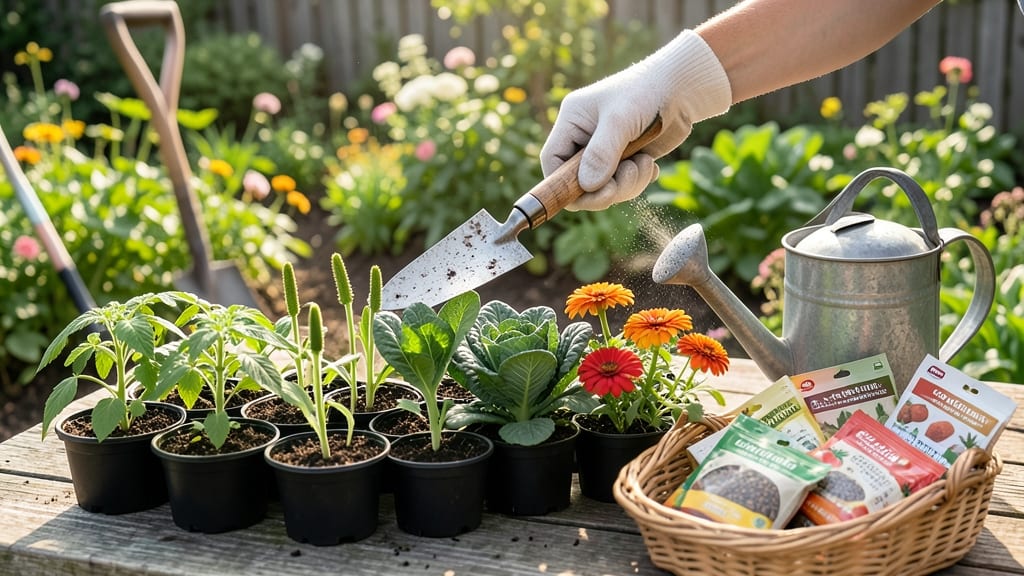
Planting your garden in Arkansas at the right time means the difference between a lush harvest and frost-killed seedlings waiting to sprout.
Missed planting season in Arkansas? Don’t risk frost-killed seedlings—knowing the exact last-frost dates for your county could mean the difference between a thriving garden and a wasted seed packet.
Arkansas spans USDA Zones 6-8, so timing varies from the cooler Ozark Mountains to the warmer Delta. Whether you’re sowing cool-season greens in early spring or heat-loving tomatoes in late spring, getting it right avoids costly mistakes.
Below, I break down the month-by-month planting schedule by region, share tricks for extending your season, and warn you about the most common planting pitfalls Arkansas gardeners face.
Arkansas last-frost dates by county: your planting timeline
Arkansas spans USDA Zones 6-8, giving gardeners a 180-240 day growing season depending on location. But those numbers don't tell the whole story—your exact county's last-frost date determines whether your tomato seedlings survive or your basil bolts to seed.
Northern counties like Benton often see frosts until April 15, while southern Chicot County may stay frost-free until February 15 in some years.
The Arkansas State Climate Office tracks 30-year averages, but microclimates—like river valleys or urban heat islands—can shift dates by 1-3 weeks. For example, Little Rock's urban core warms faster than Mount Ida's Ozark hills.
Always verify with your local cooperative extension office before planting warm-season crops like peppers or squash, which need consistent 60°F+ soil.
Here's your county-by-county guide to last spring frost and first fall frost averages, plus warm-season vs. cool-season planting windows. Use these to schedule direct sowing and transplanting for maximum success.
For warm-season crops like tomatoes, peppers, and cucumbers, wait until 2 weeks after your last frost date to transplant seedlings. Soil temperature matters more than air temperature—use a soil thermometer to confirm 60°F+ for warm-season plants. In northern counties, consider black plastic mulch to warm soil faster. For cool
How to adjust planting dates for Arkansas microclimates
Arkansas' diverse landscapes—from the humid river valleys of the Delta to the cooler Ozark Mountains—create unique microclimates that can shift planting windows by weeks. Even within the same county, a heat island in Little Rock might be 5°F warmer than nearby rural areas, delaying frost risks.
Understanding these variations lets you extend seasons and avoid costly mistakes.
For example, tomatoes planted too early in the Arkansas River Valley may bolt from heat stress, while cabbage in the Ozarks could suffer from late frosts if seeded after April 15. The key is localized adjustments—whether using row covers, cold frames, or succession planting—to match your specific conditions.
If you're gardening in Little Rock's urban core, monitor soil temperatures—they can lag behind air temps by days. A soil thermometer ($10 at garden centers) reveals when to plant warm-season crops like okra or sweet potatoes (wait until soil hits 65°F).
In contrast, cool-season crops like broccoli thrive when soil is 45–55°F, often 2–3 weeks earlier in the Ozarks.
For succession planting, try the "every-2-week rule": After your first lettuce or radish harvest, sow another batch. This works year-round in Zone 7–8 Arkansas. Pair it with interplanting—for example, sow carrots between onion sets to maximize space. Just watch for crowding, which stresses plants.
Pro tip: Arkansas' fall frost dates vary wildly—October 15 in the Delta but November 10 in the Boston Mountains. Use frost cloth to protect tender perennials like rosemary or lavender until December 1 in Zone 7.
And always check the National Weather Service for 10-day forecasts before planting heat-sensitive crops like cucumbers.
Finally, adjust your calendar based on moon phases for transplanting—root crops (carrots, beets) thrive with a waxing moon, while leafy greens (spinach, lettuce) prefer a waning moon. Combine this with local frost data, and you’ll turn Arkansas’ microclimates into your garden’s superpower. 🌱