
Planting
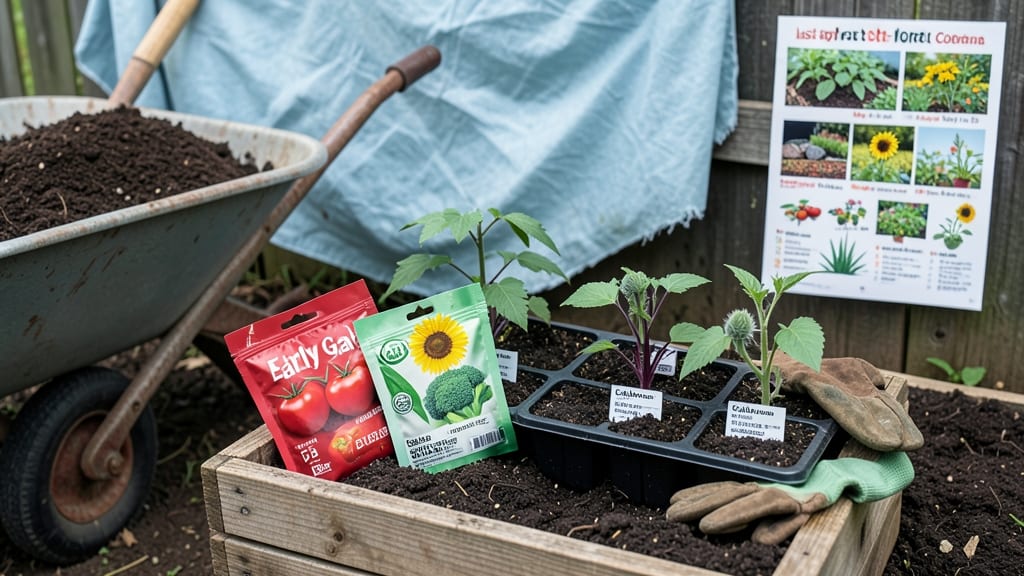
Planting a garden in Colorado requires timing it perfectly between frost dates and elevation zones — a misstep can mean lost seedlings or missed harvests.
Colorado’s diverse elevation zones mean your gardening calendar can’t be one-size-fits-all. From the Front Range to the Western Slope, frost dates shift dramatically, and planting too early or late can ruin your 🌱 General Colorado Garden.
Whether you’re sowing cool-season greens or warm-season tomatoes, knowing the exact windows for your zone is the key to success.
Most Colorado gardeners in USDA zones 5-7 can start spring planting around April 15, but high-altitude areas may wait until early May. Fall planting typically wraps up by September 15, with adjustments needed for early frosts in mountainous regions.
Below, I’ll break down the best planting windows by elevation, share frost-date maps, and give you pro tips to adjust for Colorado’s unpredictable weather—so you can grow a thriving garden without the guesswork.
Colorado planting zones by elevation: frost dates & last spring/first fall frost maps
Colorado’s dramatic elevation changes—from 5,000 ft plains to 14,000 ft peaks—create wildly different gardening seasons. Your last spring frost could be as early as mid-March in the Eastern Plains or as late as mid-June in the High Mountains.
Meanwhile, first fall frosts range from early October in Denver to late September near Aspen. These shifts mean your planting windows must align with your elevation zone, not just your county.
To avoid frost damage or wasted seed packets, I’ve broken down Colorado’s five key elevation zones with average frost dates, microclimate adjustments, and USDA Plant Hardiness Zone overlaps.
Use this as your garden calendar anchor—then tweak based on your yard’s specific heat pockets (like urban sidewalks) or valley cold sinks.
🌱 Pro Tip: Always check the Colorado State University Extension’s interactive frost map (updated annually) for your exact ZIP code. Even within a zone, a 500-ft elevation gain can shift frost dates by 1-2 weeks.
| Zone | Avg. Last Spring Frost | Avg. First Fall Frost | USDA Zones | Key Microclimates |
|---|---|---|---|---|
| Front Range (Denver, Boulder) | April 15–May 1 | October 1–15 | 5b–7a | Urban heat islands (5°F warmer), foothills (cooler) |
| Western Slope (Grand Junction, Durango) | March 15–April 1 | October 15–30 | 6a–8a | Desert valleys (hotter), mountain towns (cooler) |
| Eastern Plains (Pueblo, Lamar) | March 1–15 | October 30–November 15 | 6b–7b | Wind exposure, irrigation impacts |
| San Luis Valley (Alamosa, Great Sand Dunes) | April 1–15 | September 15–30 | 5a–6a | High desert (cold nights), river valleys (warmer) |
| High Mountains (Aspen, Telluride, above 8,000 ft) | May 15–June 1 | September 1–15 | 3b–5b | Short season (60–90 frost-free days), alpine winds |
In the Front Range (Denver/Boulder), where USDA Zones 5b–7a dominate, cool-season crops like kale, peas, and spinach can go in mid-March if you use row covers. But warm-season staples (tomatoes, peppers) won’t tolerate frost until mid-May.
My rule of thumb: Wait until soil temps hit 50°F for spring planting—test with a soil thermometer or dig down 4 inches to check.
On the Western Slope, Grand Junction’s desert climate (Zone 8a) lets you plant warm crops like okra as early as March 15, but Durango’s cooler valleys (Zone 6a) delay warm crops until mid-April. First fall frosts here arrive 2–3 weeks later than Denver, giving you a longer harvest window for squash and beans.
For high-elevation gardens (above 8,000 ft), like those near Aspen or Breckenridge, frost-free days shrink to 60–90, so stick to fast-maturing varieties (e.g., ‘Early Girl’ tomatoes, ‘Sugar Anne’ peas). Cold-hardy alternatives like potatoes, carrots, and Swiss chard thrive here—plant them as soon as soil is workable (late April–early May) for a summer harvest.
🌿 Microclimate Hack: Urban Denver gardens can be 5–10°F warmer than rural areas due to **con
Best vegetables to plant in each Colorado zone: timing & variety recommendations
Colorado’s elevation zones create unique gardening challenges—what thrives in Denver’s 5,280 ft may fail at 10,000 ft in the Rockies. Cool-season crops like kale and peas can handle early springs, while tomatoes and peppers need warmer soil.
Below, I’ll break down the best planting windows by zone, including high-altitude adjustments and cold-hardy alternatives to maximize your harvest.
For example, gardeners in Zone 5 (Front Range) can start spinach as early as March 15, while those above 8,000 ft should wait until May 1 to avoid frost damage.
The key is matching your last spring frost date with each crop’s minimum soil temperature—like 50°F for peas or 60°F for tomatoes.
Use this comparison-table to compare planting windows, risk vs. reward for extending seasons, and the best varieties for your elevation. I’ve also included notes on row covers and cold frames to push your growing season earlier or later.
If you’re in a high-altitude zone, focus on fast-maturing varieties like ‘Mountain Merit’ tomatoes (65 days) or ‘Oregon Sugar Pod’ peas (60 days). These thrive in shorter growing seasons and can outpace frost.
For lowland gardens, you have more flexibility—plant ‘Better Boy’ tomatoes in May and use row covers to extend harvests into October.
Pro tip: Test your soil temperature before planting warm-season crops. A soil thermometer is your best tool—wait until it hits 60°F for tomatoes and 70°F for peppers. In high-altitude areas, this might not happen until July, so plan accordingly by choosing cold-tolerant varieties like ‘Stupice’ tomatoes.
For fall planting, aim to sow cool-season crops 6–8 weeks before your first frost date. In Denver (Zone 5), that’s August 15 for spinach and September 1 for kale.
Use black plastic mulch to warm the soil faster in spring or straw mulch to insulate roots in fall.
Remember: Colorado’s weather is unpredictable. Always have row covers or a cold frame on hand to protect tender seedlings. With the right timing and varieties, you can enjoy fresh homegrown veggies from spring to fall, no matter your elevation! 🌱