
Planting
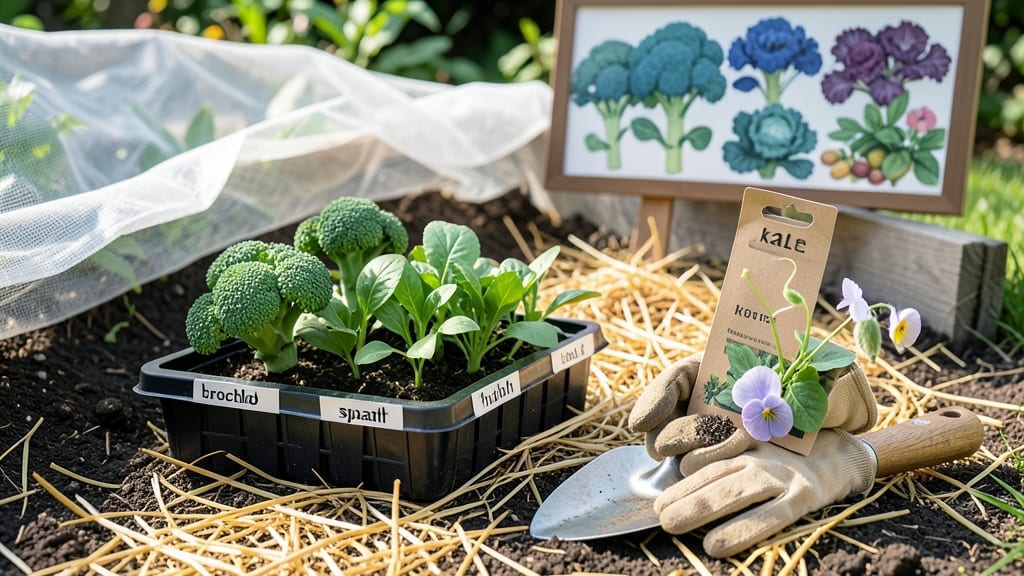
Planting your garden in Connecticut at the right time means the difference between a bumper crop and a wasted season—and the last frost date is your secret weapon.
Missed planting season in Connecticut? Don’t worry—knowing your local last frost dates can help you time your garden perfectly, whether you're sowing seeds indoors, transplanting seedlings, or starting warm-season crops outdoors.
From the coastal breezes of New Haven to the inland valleys of Hartford, frost timing shifts by weeks. In Zone 5b, you’ve got until mid-May for hardy greens, while Zone 6b gardeners can push tomatoes into the ground by late April.
Here’s how to align your planting with Connecticut’s climate, plus pro tips for extending the season so you can harvest well into fall.
Connecticut last frost dates by Zone: critical timing for seed starting and planting
Connecticut's diverse climate—spanning USDA Zones 5b-6b—means your last frost dates can vary by up to 10 days depending on whether you're in Hartford, New Haven, or Fairfield County.
These dates determine when to start seeds indoors, transplant seedlings, and sow warm-season crops like tomatoes and peppers without risking frost damage. Understanding your zone helps you avoid common mistakes like planting too early or too late.
For Zone 5b (northern CT, like Hartford), the average last frost date is May 10-15. In Zone 6a (southern CT, like Fairfield County), it’s May 1-5. New Haven falls in between, typically around May 5-10.
These dates are based on a 30-year average, but microclimates near bodies of water or hills can shift them by 3-7 days.
Knowing these dates is crucial because cold-sensitive plants like tomatoes, peppers, and cucumbers can’t tolerate temperatures below 50°F. Meanwhile, cool-season crops such as spinach, peas, and lettuce thrive in cooler weather and can even handle light frosts.
Starting seeds indoors 6-8 weeks before your last frost date ensures seedlings are ready for transplanting at the right time.
Here’s how to use this timing to your advantage: Begin warm-season seeds indoors in late February to early March (Zone 5b) or early March to mid-March (Zone 6a).
For cool-season crops, direct-sow outdoors 4-6 weeks before your last frost date. This strategy maximizes your growing season and minimizes wasted effort.
| Zone & Location | Avg. Last Frost | Start Warm Seeds Indoors | Transplant Outdoors | Direct-Sow Cool Crops |
|---|---|---|---|---|
| Zone 5b (Hartford) | May 10-15 | Late Feb - Early Mar | May 20-25 | Apr 10 - May 1 |
| Zone 6a (New Haven) | May 5-10 | Early Mar - Mid-Mar | May 15-20 | Apr 1 - Apr 15 |
| Zone 6b (Fairfield) | May 1-5 | Early Mar | May 10-15 | Mar 25 - Apr 5 |
Note: Adjust dates by 3-7 days for microclimates near water or hills.
For Zone 5b gardeners in Hartford, this means your tomato seedlings should be ready to transplant around May 20-25. If you’re in Fairfield County (Zone 6b), you can push that date up to May 10-15.
Always monitor your local Almanac or weather forecasts for late frosts, which can still occur in early May even after the average date.
Pro tip: Use frost cloth or row covers to protect tender seedlings if nighttime temperatures dip below 40°F after your last frost date. This gives you an extra 1-2 weeks of flexibility for warm-season crops.
For cool-season crops, you can even sow a second round 4-6 weeks after your last frost for a fall harvest.
Don’t forget about first frost dates, which typically arrive between October 15-30 in CT. These dates help you plan for fall planting of frost-tolerant crops like kale, spinach, and carrots. By aligning your planting with these dates, you’ll avoid common pitfalls like overcrowding or underestimating frost risk.
Urban gardeners in New Haven or Fairfield might also benefit from container gardening, which allows you to move plants to sheltered spots during late frosts. For example, peppers and eggplants thrive in containers and can be brought indoors if temperatures drop unexpectedly.
To summarize, mastering your last frost dates in Connecticut means starting seeds at the right time, transplanting after all danger of frost has passed, and adjusting for local microclimates. With this timing down, you’ll enjoy a longer, more productive growing season
Best month-by-month planting schedule for CT gardens: what to sow when
Connecticut’s variable climate means timing is everything for a thriving garden. Whether you're a seasoned gardener or just starting, knowing when to plant each crop can mean the difference between a bountiful harvest and disappointment.
The key is understanding last frost dates (typically mid-to-late May in most of CT) and adjusting for your specific microclimate—coastal areas like New Haven may be 1-2 weeks earlier than inland zones.
For cool-season crops like lettuce, peas, and spinach, start seeds indoors 6-8 weeks before your last frost date. These hardy plants can handle light frosts and even thrive in early spring soil as long as it’s workable.
Meanwhile, warm-season lovers like tomatoes, peppers, and basil need soil temperatures above 60°F—usually mid-to-late May—before going outdoors.
Here’s your month-by-month guide to planting in Connecticut, tailored for vegetables, flowers, and herbs:
Sow lettuce, spinach, kale, and herbs like parsley and cilantro indoors. Transplant onion sets and garlic directly into garden beds.
Move broccoli, cabbage, and peas seedlings outdoors after hardening off. Direct-sow radishes and carrots into prepared soil.
Transplant tomatoes, peppers, and eggplants after last frost (use row covers if nights are chilly). Direct-sow beans and cucumbers.
Sow bush beans, summer squash, and basil. Start fall lettuce and spinach indoors for late-season harvests.
Plant kale, broccoli, and carrots for fall harvests. Add pansies and snapdragons for late-season color.
Sow garlic and hardy perennials. Mulch strawberries and asparagus to protect roots.
Don’t forget perennials! Plant asparagus crowns in early spring or fall for a long-term harvest. For herbs like rosemary and thyme, spring or fall planting works best—they hate summer heat and waterlogged soil.
If you’re in coastal CT, you might push warm-season crops 2 weeks earlier, but always check soil temps with a probe.
Pro tip: Use succession planting for lettuce, radishes, and beans to maximize your harvest. Sow new seeds every 2-3 weeks from spring to early summer for continuous yields.
And if you’re container gardening in urban CT, stick to compact varieties like bush beans, cherry tomatoes, and dwarf peppers—they thrive in pots and can be moved to sunniest spots as the season progresses.
With this schedule, you’ll avoid common CT gardening pitfalls like frost damage or bolting lettuce from heat. Happy planting! 🌱