
Planting
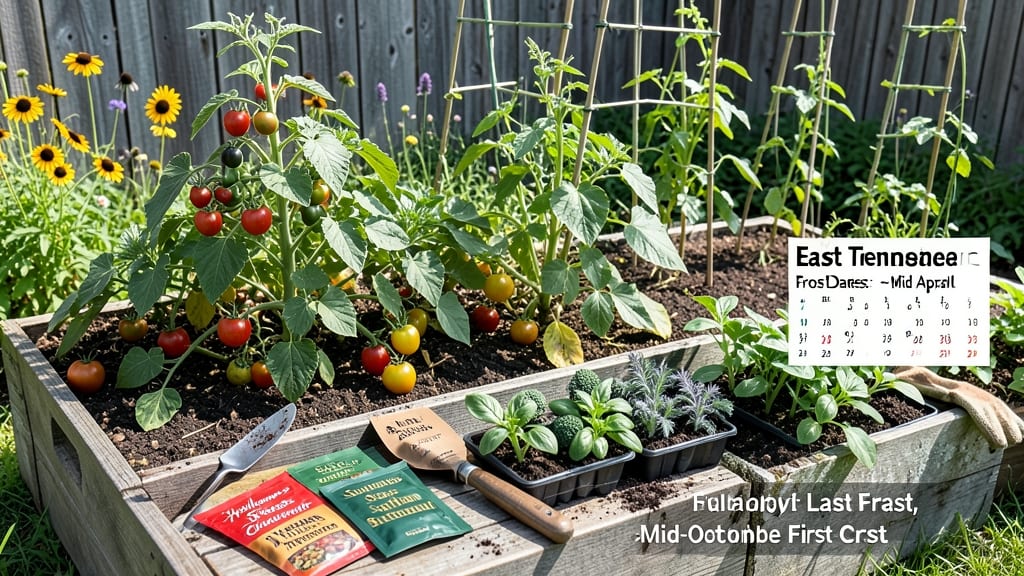
To plant a garden in East Tennessee, aim for mid-March to early April when soil temperatures rise above 50°F and frost risks fade.
East Tennessee’s mild winters and four distinct seasons create the perfect conditions for a thriving garden—but timing is everything. Plant too early, and frost will kill your tender seedlings; wait too long, and you’ll miss peak harvest seasons.
Mastering the frost-free deadlines for Zone 7a and 7b crops can transform your garden from a gamble into a guaranteed success.
In this region, where last frost dates typically land between March 20 and April 5, cool-season crops like spinach and peas can go in as early as February if you’re willing to protect them.
Warm-season favorites like tomatoes and peppers, however, need to wait until after the last frost—usually mid-April—to thrive.
Below, I’ll break down the exact planting windows for your zone, share tricks for adjusting to East Tennessee’s microclimates, and highlight the fastest-growing crops to maximize your harvest before summer heat sets in.
East Tennessee frost-free dates by Zone 7a/7b: planting windows for key vegetables
Understanding East Tennessee's frost-free dates is the key to unlocking a bountiful garden. Zone 7a (last frost: March 20–April 5) and Zone 7b (last frost: March 15–March 30) offer slightly different windows for planting.
These dates mark when soil temperatures rise enough to safely sow warm-season crops like tomatoes and peppers, while cool-season crops like spinach and lettuce can be planted earlier. Getting these timings right means the difference between a thriving harvest and wasted effort.
For Zone 7a, the first frost typically arrives between October 20–November 5, giving you a 165-day growing season. In Zone 7b, the season extends slightly longer, with first frosts arriving a few days later.
This extra time lets you squeeze in a second planting of cool-season crops like radishes or kale in late summer for a fall harvest. Planning around these dates ensures you maximize your garden's potential without risking frost damage.
Here’s a quick reference for East Tennessee’s frost-free planting windows by crop type, tailored to both zones. This summary table breaks down when to plant for optimal results, whether you're a beginner or a seasoned gardener.
For cool-season crops, like spinach and lettuce, you can start sowing seeds as early as late February in Zone 7b or early March in Zone 7a. These crops thrive in cooler temperatures and can even tolerate light frosts.
However, avoid planting them too early—soil should be at least 40°F for seeds to germinate properly. If you’re unsure about frost dates, use row covers to protect tender seedlings until the threat of frost has passed.
When it comes to warm-season crops, such as tomatoes and peppers, timing is critical. These plants are frost-sensitive and won’t tolerate temperatures below 50°F. In Zone 7a, wait until mid-April to plant outdoors, while Zone 7b gardeners can start slightly earlier, around late March.
To jumpstart your season, begin seeds indoors 6–8 weeks before the last frost date. This gives your seedlings a head start and ensures they’re ready to transplant once the soil warms up.
Don’t overlook the opportunity for a fall garden! In East Tennessee, you can extend your growing season well into October by planting cold-hardy crops like kale, radishes, and carrots 4–6 weeks before the first frost.
These crops not only survive light frosts but often taste sweeter after a frost. Use row covers or cold frames to push your harvest even later into the season, especially in Zone 7b where frosts arrive slightly later.
For herbs, timing varies by type. Basil, for example, loves warmth and should be planted after the last frost, just like tomatoes. Meanwhile, cilantro and dill prefer cooler weather and can be sown in early spring or even late summer for a fall harvest.
If you’re growing basil in the summer, provide afternoon shade to prevent bolting, and consider succession planting every 2–3 weeks for a continuous supply.
Finally, don’t forget about overwintering crops like garlic and onions. These hardy plants can be planted in fall and will be ready for harvest the following
How to adjust planting times for East Tennessee’s microclimates and unpredictable weather
East Tennessee’s rolling mountains and valleys create distinct microclimates where Johnson City’s average last frost (March 15) can differ by weeks from Knoxville’s (April 5). These variations, combined with unpredictable late frosts or early heatwaves, demand flexibility in your planting strategy.
Whether you’re gardening in the Appalachian foothills or urban Knoxville, understanding how to adapt your schedule can mean the difference between a bountiful harvest and lost seedlings.
One of the most effective tools for extending your growing season is using row covers and cold frames. These low-cost solutions can push your spring planting window earlier by 2–4 weeks or keep your fall harvests going until the first hard frost.
For example, I’ve used lightweight row covers to plant spinach and lettuce as early as February in sheltered microclimates, while still protecting them from unexpected 20°F dips that can occur even in April.
Here’s how to adjust your planting times using practical strategies tailored to East Tennessee’s conditions:
Use the USDA Plant Hardiness Zone Map and local weather apps (like Almanac’s Frost Predictor) to pinpoint your exact last frost date. For instance, Zone 7a (e.g., Johnson City) typically has a later frost risk than Zone 7b (e.g., Knoxville), so adjust your warm-season crops (tomatoes, peppers) accordingly.
Install floating row covers over cool-season crops (kale, broccoli, carrots) to plant them 4–6 weeks earlier than your average last frost date. These covers raise soil temps by 5–10°F and block light frosts while allowing sunlight and water to penetrate. Remove covers when plants bolt or flowers appear.
Cold frames or low tunnels can keep your garden productive until November or December in sheltered areas. I’ve grown spinach and radishes well into late fall by using a simple PVC hoop frame covered with clear plastic. Monitor soil temps—aim for 40–50°F for optimal growth of cold-hardy greens.
Succession planting ensures a continuous harvest by staggering planting dates every 2–3 weeks. For example, sow bush beans in early May, then again in mid-June to avoid a single overwhelming harvest. This works especially well for fast-growing crops like radishes, lettuce, and green onions.
Use a soil thermometer to verify when soil reaches 60°F+ for warm-season crops (tomatoes, peppers) or 40–50°F for cool-season crops. In East Tennessee, elevation changes can cause soil temps to lag by 1–2 weeks, so don’t rely solely on air temperature.
Another key strategy is to choose crops that thrive in your microclimate. For example, higher elevations (like Tellico Plains) may support hardier varieties of potatoes or cabbage, while lower valleys (like Chattanooga’s outskirts) can handle heat-loving crops like okra or sweet potatoes with ease.
I’ve found that native Tennessee crops, such as ramps and ginseng, also adapt well to local conditions with minimal intervention.
Finally, don’t underestimate the value of local gardening communities. Join groups like the East Tennessee Master Gardeners or Knoxville Urban Gardeners on Facebook to share real-time updates on frost warnings or pest outbreaks.
Last year, a fellow gardener in Sevierville warned us about an unexpected late frost in early May, allowing me to cover my tomato seedlings just in time. These connections can save your garden—and your sanity—during East Tennessee’s unpredictable springs.
With these adjustments, you’ll turn East Tennessee’s challenging microclimates into an advantage, ensuring your garden thrives year-round. Start small, experiment with one or two strategies, and gradually build your resilience to the region’s quirks. Happy growing!