Planting
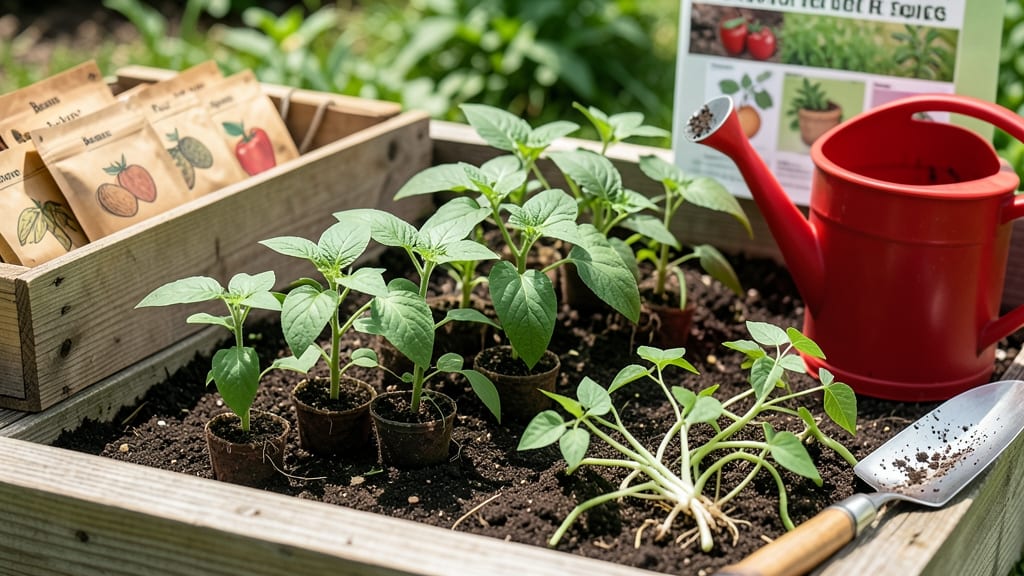
To plant a garden in Florida, start in late February for warm-season crops and late summer for cool-season varieties — timing avoids both frost and the worst of the heat.
Florida’s long growing season and unpredictable weather can make planting your garden feel like a high-stakes guessing game—but timing is everything for heat-tolerant crops and frost-sensitive plants.
Get the wrong start, and your tomatoes could bolt in July or your greens wilt before harvest. The key is knowing when to plant for your specific Florida zone, whether you’re in North Florida’s cooler winters or South Florida’s steamy summers.
Below, I’ll break down the best months for planting vegetables, herbs, and flowers, plus how to adjust for humidity, sudden cold snaps, and Florida’s unique microclimates so you can maximize your harvest.
Florida planting calendar by month: frost-free deadlines & heat-tolerant crops
Florida’s frost-free growing season spans nearly year-round in most regions, but timing still matters—especially for heat-tolerant crops like okra and sweet potatoes versus frost-sensitive greens. The last frost dates vary dramatically between North Florida (as late as March 15) and South Florida (rarely below 32°F).
Planting too early risks heat stress on cool-season crops, while late starts may miss peak harvest windows.
This month-by-month guide aligns your planting schedule with Florida’s microclimates, humidity patterns, and extreme heat warnings. Whether you’re sowing tomatoes in May or broccoli in September, these deadlines help you avoid common pitfalls like bolting or wilting before harvest.