
Planting
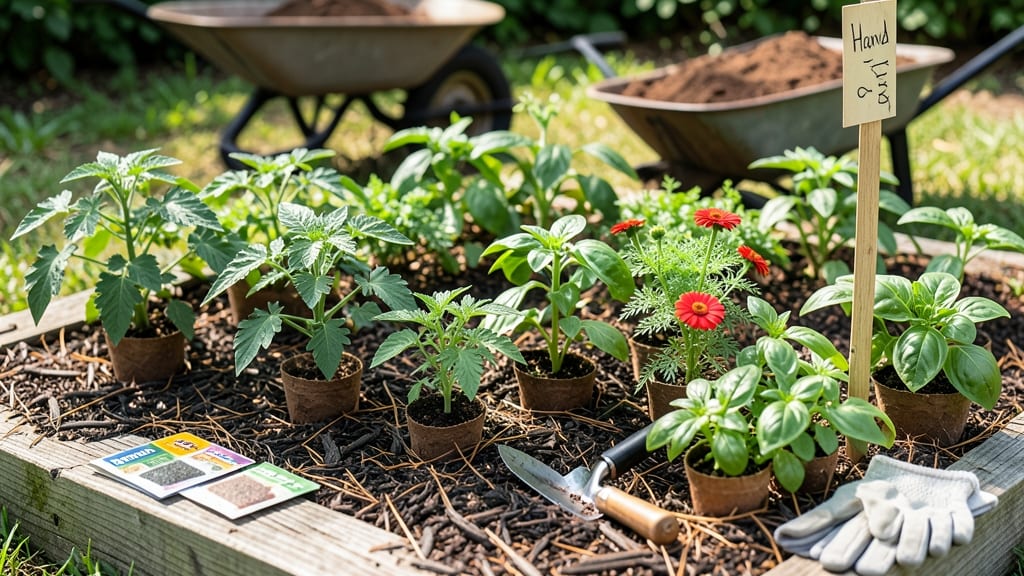
To plant a garden in Georgia, timing is everything—cool-season crops like lettuce need to go in by late February, while heat-lovers like tomatoes wait until after March 15 (or later in the North).
Georgia’s long growing season and humid climate make it a gardener’s paradise—but planting at the wrong time can mean wilted dreams instead of thriving harvests.
Whether you’re in Atlanta’s 7a or Savannah’s 8b, the key is knowing when to start seeds indoors, when to direct-sow, and how to beat the heat or frost.
This guide breaks down the best months for every crop, from frost-tender greens to sun-baked peppers, plus how to prep your soil and mulch for maximum success. No more guessing—just a clear, Georgia-specific calendar to turn your garden into a year-round harvest.
Ready to plant? We’ll walk you through the two critical windows—spring and fall—and show you how to stretch your season with simple tricks like row covers and succession planting.
Georgia’s planting calendar: best months for cool-season vs. warm-season crops
Georgia’s diverse climate zones create unique planting opportunities, but timing makes all the difference between a bountiful harvest and a sad, wilted failure.
The state’s USDA Zones 7a-8b mean your last frost date could be as early as March 1 in Savannah or as late as March 15 in Atlanta. Understanding these regional differences helps you align your seed starting and direct sowing with nature’s rhythm.
Cool-season crops like lettuce and broccoli thrive in Georgia’s mild winter temperatures, while warm-season powerhouses such as tomatoes and peppers need the consistent heat of summer.
The key is knowing when to start seeds indoors versus when to plant directly outdoors—and how to adjust for your specific corner of the Peach State. Let’s break it down by region and crop type.
⚠️ PRO TIP: Always check your local frost-free dates (use the National Weather Service or University of Georgia Extension resources) and soil temperatures—aim for 60°F+ for warm-season crops and 50-65°F for cool-season varieties.
For cool-season crops, start seeds indoors 4-6 weeks before your region’s last frost date. In North Georgia, that means January 15-February 15, while South Georgia gardeners can wait until December 15-January 15.
Direct sow hardy greens like kale or spinach as soon as soil is workable—often by February in Savannah but not until March in Atlanta.
Warm-season crops demand patience. Tomatoes, peppers, and squash won’t tolerate frost, so wait until 2-3 weeks after your last frost date to plant outdoors. In Atlanta, that’s usually mid-April, while Savannah can start as early as late February. Start seeds indoors 6-8 weeks before transplanting
Heat-tolerant crops that thrive in Georgia’s summer: when to plant for maximum yield
Georgia’s summer heat can be brutal for most plants, but some crops actually thrive in the humidity and 90-degree temperatures. Okra, sweet potatoes, black-eyed peas, peppers, melons, and squash are perfect for beating the heat.
The key is planting them at the right time—too early, and they’ll struggle with soil warmth; too late, and they won’t mature before frost.
For maximum yield, focus on late spring to early summer plantings, when soil temperatures consistently stay above 65°F.
This typically means starting seeds or transplanting after April 15 in most of Georgia, with adjustments for cooler mountain regions. Direct sowing is best for heat-lovers like okra and melons, while transplants work well for peppers and squash.
⚠️ callout-warning ⚠️
Planting warm-season crops after June 15 is risky. Late starts may not mature before fall frosts (late October–November). Prioritize fast-maturing varieties (e.g., ‘Clemson Spineless’ okra in 50 days) if extending the season.
Before planting, amend your soil with compost or aged manure to improve drainage—heat-stressed plants wilt faster in compacted or clay-heavy soil. Aim for a pH of 6.0–6.8, ideal for most heat-loving crops. Sweet potatoes and peppers prefer slightly acidic soil (5.8–6.5), while okra thrives in neutral to alkaline conditions (6.5–7.5).
Watering is critical: deep, infrequent watering (1–2 inches per week) encourages root growth, while shallow watering leads to surface-dwelling roots that burn in the heat. Mulch heavily with straw or wood chips to retain moisture and keep roots cool.
Avoid wetting foliage to prevent fungal diseases like powdery mildew, common in Georgia’s humid summers.
For peppers and melons, use black plastic mulch to warm soil faster and deter weeds. Okra and sweet potatoes benefit from raised beds if your soil drains poorly.
Space plants properly: okra needs 18–24 inches apart, while squash vines should sprawl over 3–4 feet of ground. Succession planting every 2–3 weeks extends harvests—think ‘bush beans’ or ‘zucchini’ every few weeks for a continuous supply.
Harvest peppers and squash when they’re firm and fully colored, while okra pods should be 3–4 inches long for best flavor. Sweet potatoes mature in 90–120 days, so plant early varieties by May 1 for a summer harvest. Black-eyed peas thrive in heat but need consistent moisture—water at the base to avoid fungal issues.
With the right timing and care, these heat-lovers will reward you with bountiful, flavorful harvests all summer long. ☀️🌿