
Planting
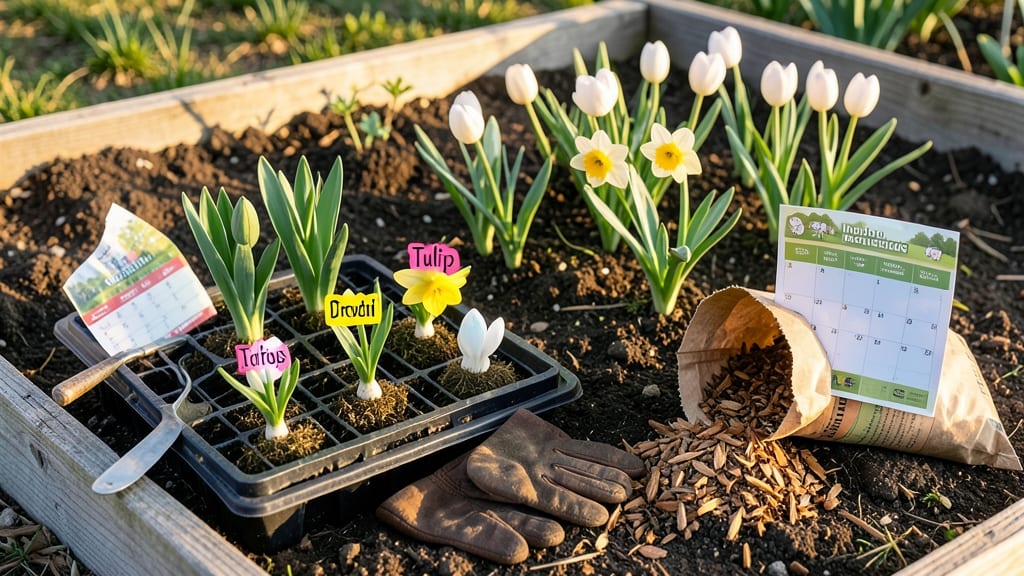
Planting a garden in Indiana at the right time means the difference between a harvest of juicy tomatoes and a sad pile of frost-nipped seedlings.
Indiana’s unpredictable spring weather can turn a gardener’s carefully planned planting schedule into a guessing game—but timing your garden right means the difference between thriving 🌱 General Garden Plants and wilted dreams.
With USDA Zones 5b-6b and frost dates that shift yearly, knowing when to start seeds indoors, when to harden off seedlings, and when to put warm-season crops in the ground is the key to success.
Here’s your foolproof guide to Indiana’s planting deadlines, from cool-season crops in early spring to heat-loving veggies planted after the last frost—plus how to adjust for those tricky late frosts that love to sneak up.
Indiana’s last frost dates by region: Zone 6 planting deadlines explained
Indiana’s Zone 6 climate creates a unique challenge for gardeners—knowing when to plant can feel like solving a puzzle, especially with last frost dates that shift yearly.
Northern Indiana (like Gary or Fort Wayne) often sees frost lingering until mid-April, while southern regions (Evansville or Bloomington) typically warm up by early April. These differences mean your tomato seedlings in the north might need to wait 2 weeks longer than those in the south!
To avoid frost damage to tender plants, I rely on historical frost data from Purdue Extension and the USDA’s frost-free zone calculator.
For example, my garden in Central Indiana (Zone 6a) averages a last frost date of April 15th, but I always plant cold-hardy crops like peas or spinach 4-6 weeks earlier—just in case. Warm-season plants like peppers and cucumbers must wait until 2-3 weeks after that date to thrive.
Here’s how I use the USDA’s frost-free zone calculator for precision planting: First, input your zip code to find your exact last frost date. Then, subtract 14 days for cool-season crops and add 14 days for warm-season ones.
For instance, if your last frost is April 20th, plant lettuce by March 26th and tomatoes after May 4th. This method accounts for Indiana’s microclimates—like urban heat islands or lakeside cooling effects—that can shift frost dates by 1-2 weeks.
| Region | Average Last Frost | Safe Planting Window | Key Crops for Early Planting |
|---|---|---|---|
| Northern Indiana (Gary, Fort Wayne) | April 15–20 | March 15–April 1 (cool crops) | Peas, spinach, broccoli, kale |
| Central Indiana (Indianapolis, Muncie) | April 5–10 | March 1–March 25 (cool crops) | Lettuce, carrots, onions, radishes |
| Southern Indiana (Evansville, Bloomington) | March 25–April 5 | February 20–March 15 (cool crops) | Potatoes, cabbage, Swiss chard |
| All Regions (Warm Crops) | 2–3 weeks after last frost | May 1–May 15 | Tomatoes, peppers, beans, cucumbers |
Note: Adjust dates based on your local microclimate (e.g., valleys frost later). Use row covers to extend early planting.
Indiana’s first frost dates in fall are just as critical for planning. Northern areas typically see frost by October 15th, while southern regions hold off until October 30th.
I use these dates to schedule fall planting of cool-season crops like kale and Brussels sprouts, which actually sweeten after frost.
For warm-season crops like green beans, I start seeds indoors in late April to transplant after the last frost, ensuring a longer harvest window before winter sets in.
Pro tip: Monitor local weather for 3+ years to spot patterns in your specific microclimate. For example, my neighbor in rural Tippecanoe County plants tomatoes 1 week earlier than me in urban West Lafayette because their warmer soil thaws faster.
To test your soil’s readiness, press your finger 2 inches deep—if it’s dry, wait for consistent warmth before planting.
For container gardening, remember that pots warm up faster than garden beds, so you can plant warm-season crops 1 week earlier. I always fill containers with heat-retaining materials like black plastic liners or dark-colored fabric to give seedlings a head start.
However, avoid planting heat-sensitive crops like cucumbers until soil temps reach 60°F—otherwise, they’ll bolt (flower prematurely) and produce bitter fruit.
If you’re new to Indiana gardening, start with cold-hardy perennials like asparagus or rhubarb, which tolerate frost and establish roots early. For annuals, use succession planting: Sow lettuce every 2 weeks from March to August to ensure a continuous harvest.
This strategy works especially well for fast-growing crops like radishes (30 days) or bush beans (50 days).
For real-time updates, bookmark the Midwestern Regional Climate Center or check Purdue Extension’s frost maps. These resources provide yearly adjustments based on climate trends, like the earlier springs we’ve seen in recent years.
By combining historical data with local observations, you’ll master Indiana’s Zone 6 planting deadlines like a pro—and enjoy a garden that’s bursting with life all season long.
Best vegetables to plant in Indiana’s spring and fall seasons
Indiana’s spring and fall seasons offer perfect windows for growing cool-season vegetables that thrive in moderate temperatures. Unlike heat-loving crops, these plants tolerate cooler weather and even light frosts, making them ideal for early spring or late fall planting.
My favorite cold-hardy crops include spinach, peas, and broccoli, which can handle Indiana’s Zone 5-6 climate beautifully.
For warm-season vegetables, timing is everything. Plants like beans, cucumbers, and peppers need consistent warmth to germinate and grow, so waiting until after the last frost date (typically mid-April in most of Indiana) is crucial.
I’ve learned that planting these heat-loving crops too early can lead to stunted growth or even death when unexpected frosts hit.
🌱 Indiana Planting Timeline for Spring & Fall
- Early Spring (March-April): Plant cold-hardy crops like peas, spinach, and lettuce 4-6 weeks before last frost (around February-March). These thrive in cooler temps and can even handle light frosts.
- Late Spring (May): After the last frost date, sow warm-season crops like tomatoes, peppers, and cucumbers. Use row covers if nighttime temps dip below 50°F.
- Early Fall (August-September): Replant cool-season crops like kale, carrots, and radishes 8-10 weeks before first frost (mid-October). These love the cooler fall air and often produce sweeter flavors.
- Late Fall (October): For a winter harvest, try hardy greens like Swiss chard or winter spinach. These can survive light frosts and may even regrow in spring.
One of my top tips is to use succession planting for both seasons. For example, I’ll sow a batch of lettuce or radishes every 2 weeks in spring to ensure a steady harvest.
In fall, I extend the season by planting fast-maturing crops like bush beans or turnips closer to the first frost date.
Don’t overlook soil preparation—Indiana’s clay-heavy soil benefits from compost or aged manure before planting. I always test my soil’s pH (aim for 6.0-7.0) and adjust with lime or sulfur if needed. Proper soil prep ensures your cool-season and warm-season crops get the nutrients they need to thrive.
For fall planting, focus on crops that mature quickly, like bush beans or radishes, which can be harvested before the first hard frost. I’ve had great success with broccoli and kale in fall—they actually taste sweeter after a light frost!
Just be sure to harvest before heavy frosts hit, as they can damage tender leaves.
Remember, Indiana’s weather is unpredictable, so always have backup plans. I keep row covers or cold frames on hand to protect young plants from unexpected late frosts. With the right timing and a little flexibility, you can enjoy a bountiful harvest in both spring and fall! 🌱