
Planting
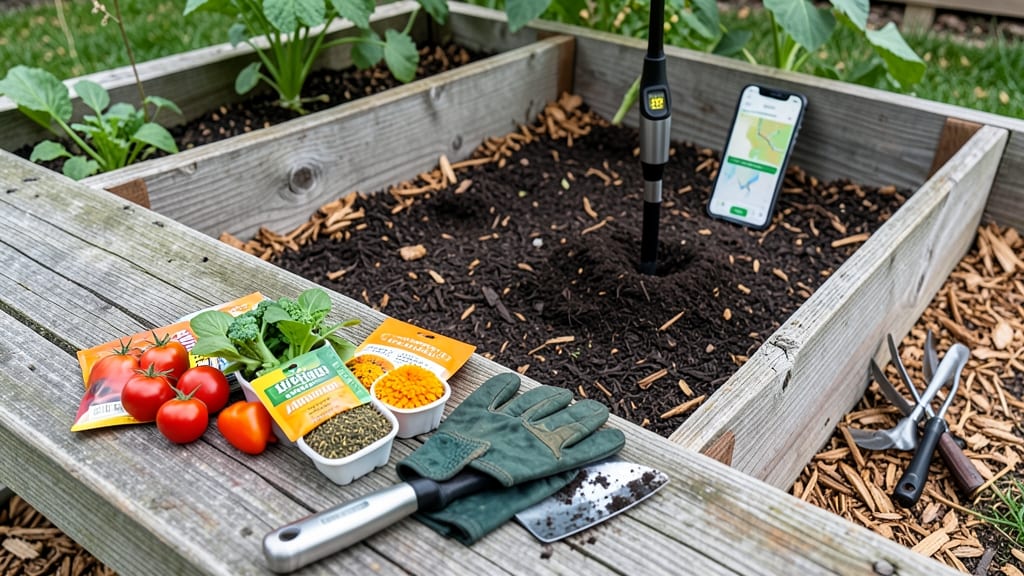
Planting your garden in Kentucky at the right time means the difference between a thriving harvest and frost-bitten disappointment.
Kentucky’s unpredictable spring weather can turn your gardening dreams into a gamble—but knowing the exact last frost dates for your crops means you’ll plant with confidence and avoid frost-bitten failures.
With USDA zones 6a-7a and last frosts typically around April 15, cool-season 🌱 plants like lettuce and spinach can go in as early as March, while tomatoes and peppers need to wait until after the danger has passed.
Below, I break down the perfect planting windows for Kentucky’s most popular crops, plus how to adjust for your specific microclimate—so you’ll never miss a season again.
Kentucky last frost dates by region: when to plant cool vs warm-season crops
Kentucky’s five distinct growing regions create unique planting windows—miss the last frost date in the Bluegrass Region, and your tomatoes might never recover. Each zone has 5-10 days of variation, so knowing your exact area is critical.
Let’s break down the average last frost dates and how they shape your cool-season vs warm-season planting schedule.
For cool-season crops like lettuce, spinach, and peas, you’ll want to start seeds 4-6 weeks before your region’s last frost. Meanwhile, warm-season crops such as tomatoes, peppers, and beans need to wait until 2-3 weeks after the last frost to avoid chilling injury.
The timing difference can mean the difference between a thriving garden and a failed harvest.
Here’s how Kentucky’s five growing zones compare—use this as your planting timeline guide to align with your local climate patterns.
If you’re in the Bluegrass Region, you can start cool-season crops as early as March 1, but gardeners in the Appalachian Plateau should wait until April 1 to avoid late spring frosts.
Similarly, warm-season crops like tomatoes and peppers can go in the ground in late April in the Jackson Purchase, while Appalachian Plateau gardeners should hold off until early June.
Pro tip: Use row covers or cold frames to extend your cool-season planting window by 2-3 weeks in colder regions. This lets you grow spinach and kale even if frost lingers past the average date. Just remove covers when flowers appear to prevent bolting.
For warm-season crops, the 30-day rule applies: Wait until the soil temperature consistently stays above 60°F for at least 30 days. A soil thermometer is your best tool—planting too early can stunt growth or invite disease. In Pennyrile, this often means waiting until mid-May.
Don’t forget about fall planting! Many cool-season crops thrive when sown in late summer, giving you a second harvest before winter. Aim to plant 6-8 weeks before your region’s first frost date.
For example, broccoli and carrots can go in the ground as early as August 1 in the Bluegrass Region.
To stay on track, mark your last frost date on a calendar and set reminders for 2-3 weeks before and after. Use a frost-free date calculator (like the Old Farmer’s Almanac) for real-time updates, especially if you’re new to your area.
A little planning now means bigger yields and healthier plants all season long
Best crops to plant in Kentucky’s early spring, late spring, and summer seasons
Kentucky gardeners know timing is everything—especially when balancing cool-season greens with heat-loving tomatoes. Early spring’s crisp air is perfect for spinach and kale, while late spring’s warmth welcomes peppers and cucumbers.
The key? Planting 4-6 weeks before last frost for cool crops and 2-3 weeks after for warm-season stars.
My Bluegrass region garden thrives with early spring lettuce (sown in March) and summer basil (transplanted after April 15). But don’t overlook succession planting—sow radishes every 2 weeks to keep harvests rolling until July. This strategy maximizes space and avoids overlapping frost risks.
🌱
| Season | Crop | Planting Time | Sun Needs | Notes |
|---|---|---|---|---|
| Early Spring | Spinach | March 1–15 | Partial shade | Harvest before bolting |
| Early Spring | Kale | March 15–April 1 | Full sun | Cold-hardy, great for fall too |
| Late Spring | Tomatoes | April 20–May 10 | Full sun | Use row covers for early starts |
| Late Spring | Peppers | May 1–15 | Full sun | Wait until soil warms to 65°F |
| Summer | Basil | May 15–June 1 | Full sun | Harvest leaves for bushier growth |
| Summer | Cucumbers | May 20–June 10 | Full sun | Trellis for vertical space |
For late-summer heat waves, focus on okra and sweet potatoes, which thrive when temps hit 85°F+. My trick? Plant succession beans every 2 weeks from June to July—this ensures a steady supply until first frost. Just avoid overcrowding, or you’ll lose yields to powdery mildew.
Pro tip: Use mulch to retain moisture for summer squash and eggplant. These heat-lovers need consistent watering but hate soggy roots. A 2-inch layer of straw keeps soil cool and disease-free while locking in humidity.
Don’t forget herbs like dill and cilantro—they bolt fast in Kentucky’s summer. Sow them in partial shade and harvest leaves before flowering to keep them productive. With this schedule, my garden stays bountiful from March to October!
🌿