
Planting
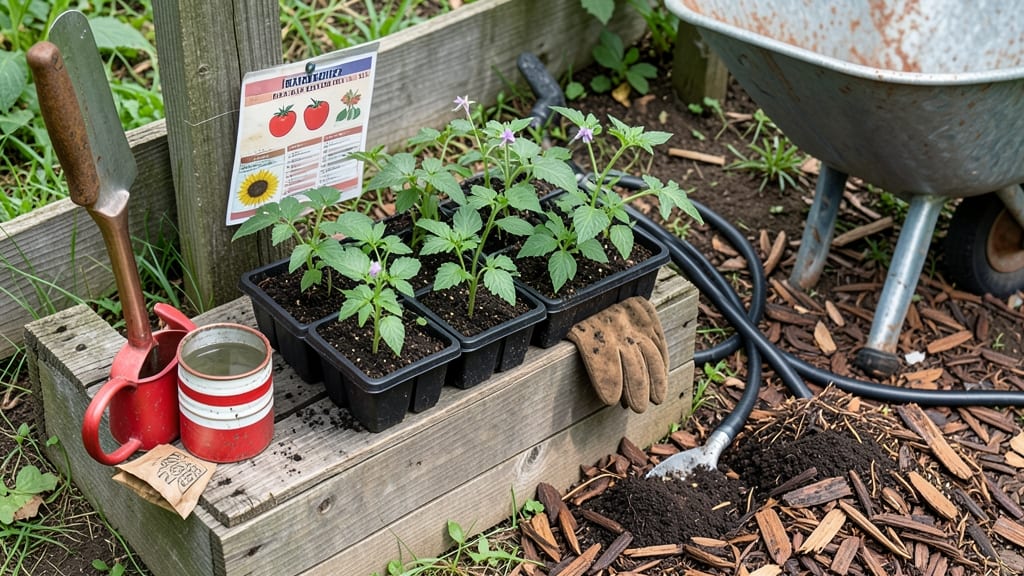
Planting a garden in Tennessee at the right time means the difference between a thriving harvest and a total loss to frost or heat.
Tennessee’s climate varies wildly—from the cool mountain valleys of the East to the sweltering Lowland Plains—so one planting date doesn’t fit all. Get it wrong, and your seedlings could freeze overnight or bolt before producing.
But nail the timing, and you’ll enjoy fresh tomatoes, crisp lettuce, and blooming flowers all season long.
Most gardeners in USDA Zones 6-8 should start cool-season crops like broccoli and peas as soon as the soil is workable in early spring, while warm-season favorites like peppers and squash need to wait until after the last frost—typically late April to early May.
I’ll break down the exact windows for your county, plus how to adjust for microclimates like urban heat islands or sheltered valleys.
Ready to grow? You’ll learn how to use frost dates, soil temperature, and even local weather tools to plant with confidence—so you can skip the guesswork and enjoy a garden that actually produces.
Tennessee last-frost dates by region: when to plant cool-season vs. warm-season crops
Tennessee’s last-frost dates vary dramatically across its five distinct climate zones, from the cool mountain valleys of the East to the hot, humid Delta. These differences mean your lettuce might thrive in Memphis while your tomatoes in Knoxville need extra protection.
Understanding your USDA Zone 6-7 and elevation adjustments is key to avoiding frost damage or wasted effort.
For cool-season crops like broccoli and spinach, timing is critical—plant too early, and a late frost will kill seedlings. For warm-season crops like peppers and squash, soil temperature matters more than frost dates.
Below, I’ve broken down average last-frost dates by region, plus planting windows for your top crops.
🌱
In the East Tennessee mountains, where USDA Zone 6b dominates, your last-frost date might not arrive until May 1 in high-elevation areas like Gatlinburg. This means cool-season crops like kale and carrots should start indoors by February 15 for a spring harvest.
For warm-season crops, wait until soil reaches 60°F—usually mid-May—before planting tomatoes or peppers.
Conversely, West Tennessee’s Delta region (like Memphis) has earlier last-frost dates around March 15, allowing you to plant squash and beans as early as February.
The key here is soil temperature, not frost. Use a soil thermometer to confirm 55°F for peppers and 60°F for tomatoes before planting.
For Nashville and Middle Tennessee, which straddle USDA Zones 7a-7b, your cool-season window opens in January for hardy greens like
How to adjust planting times for Tennessee’s microclimates (mountains vs. cities vs. rural areas)
Tennessee’s microclimates create dramatic differences in planting times—just 2 weeks can separate success in Nashville’s urban heat island from the Smoky Mountains’ cooler valleys. If you’ve ever wondered why your neighbor’s tomatoes thrive while yours struggle, it’s likely due to these localized climate variations.
Urban areas like Nashville and Memphis often experience earlier soil warming, while high-elevation zones like Sevier County can linger in frost until mid-April.
To navigate these differences, I rely on real-time data from the Tennessee State University Ag Extension and local weather stations. Their tools help me adjust planting schedules based on soil temperature, not just calendar dates.
For example, warm-season crops like peppers need soil at 60°F+, while cool-season crops like spinach tolerate 40°F soils. Let’s break down how to time your plantings for your specific microclimate.
- 1 Urban Areas (Nashville, Memphis): Plant 2 weeks earlier than rural zones. Use black plastic mulch to warm soil faster in containers or raised beds.
- 2 Mountain Regions (Smokies, Cumberland Plateau): Wait until mid-April for frost-sensitive crops. Use row covers to extend the season by 3-4 weeks.
- 3 Rural Lowlands (Delta, West TN): Start warm-season crops by March 15 if soil is workable. Monitor for late spring frosts—they’re rare but possible.
- 4 Hardening Off Seedlings: Urban areas: 5-7 days (warmer nights). Mountains: 10-14 days (cooler nights). Gradually expose to wind and sun to avoid shock.
- 5 Urban Checklist: Test soil pH weekly (urban soil is often alkaline from concrete runoff). Use self-watering containers to prevent drought stress in heat islands.
For urban gardeners with limited space, I recommend starting warm-season crops indoors by February 15 to transplant outdoors by April 1. Use reflective mulch to reduce heat stress on seedlings.
In contrast, mountain gardeners should wait until after May 1 for heat-loving plants like tomatoes, as late frosts are common in valleys.
Pro tip: Use the TN Ag Extension’s Frost Probability Tool to check your specific ZIP code. It accounts for elevation and urban heat effects.
For example, Chattanooga’s urban core might be safe for tomatoes by April 10, while nearby Lookout Mountain could still face frost until April 25. Always plant frost-tender crops like basil and cucumbers after the last frost date, not before.
Adjusting for microclimates also means paying attention to wind exposure. Sheltered areas (like behind a fence or building) can be 2-3°F warmer than open spaces, allowing earlier planting. If you’re in a windy rural area, opt for sturdy varieties or use windbreaks to protect young plants.
For instance, zucchini thrives in sheltered urban backyards but may struggle in exposed mountain gardens.
Finally, don’t forget that soil temperature is your best friend. Use a soil thermometer ($10 at garden centers) to confirm when to plant. Warm-season crops need 60°F+ soil, while cool-season crops like kale grow best in 50-65°F soil.
In Nashville, this might mean planting tomatoes in early April, while in Gatlinburg, you’ll wait until late May. With these adjustments, your garden will thrive regardless of Tennessee’s climate quirks! 🌱