
Planting
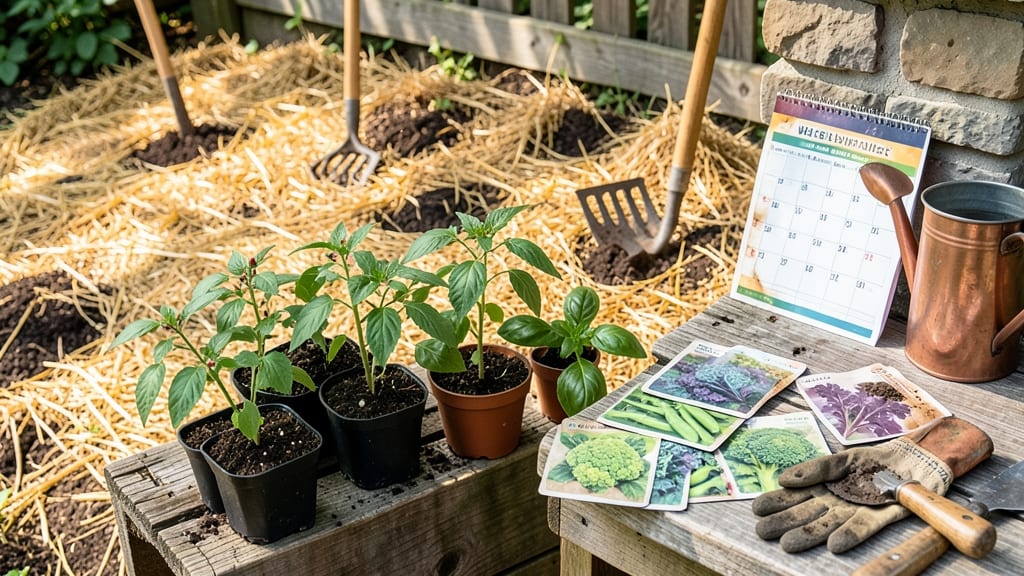
Planting your garden in West Virginia at the right time means the difference between a bountiful harvest and a sad pile of frost-killed seedlings 🌱.
West Virginia’s diverse climate—from cool mountain valleys to humid river regions—means your garden’s success hinges on timing. Plant too early, and a late frost could wipe out your hard work; too late, and you’ll miss peak harvests.
Whether you’re growing tomatoes in Zone 7a or potatoes in Zone 5b, the last frost date in your county is your best friend. Most of WV sees its final freeze around April 15, but highland areas can linger until May.
Below, I break down the exact spring and fall planting windows for every major crop, plus how to adjust for microclimates—so you can start seeds, transplant with confidence, and enjoy fresh veggies from June through October.
West Virginia planting zones: frost dates & last safe planting deadlines by county
West Virginia spans USDA Zones 5b through 7a, creating a patchwork of microclimates where last frost dates can vary by 3 weeks or more between mountain valleys and river regions.
In Zone 5b (northern counties like Pendleton), gardeners face earlier frost risks, while Zone 7a (southern areas like Putnam) enjoys longer growing seasons. Understanding these frost-free windows is critical—planting cool-season crops too late or warm-season crops too early can mean lost harvests.
For most of WV, the average last frost date falls between April 15 and May 1, but elevation changes everything. High-altitude areas like Monongahela National Forest (Zone 5b) may see frost until May 15, while Kanawha Valley (Zone 6b) typically warms up by April 10.
Similarly, the first frost arrives October 15-30, with northern counties freezing earlier. Use these county-specific deadlines to time your plantings perfectly.
Here’s your zone-by-zone breakdown of last frost dates, safe planting windows, and crop-specific timelines to avoid frost damage. Pro tip: Check your local NOAA station for 3-year averages—they can differ by 1-2 weeks from these general guidelines.
| USDA Zone | County Examples | Avg. Last Frost | Safe Planting Window | Cool-Season Deadline | Warm-Season Start |
|---|---|---|---|---|---|
| 5b | Pendleton, Tucker, Lewis | May 1-15 | May 15-June 1 | April 1-15 | June 1-15 |
| 6a | Monongalia, Preston, Marion | April 20-May 5 | May 5-20 | March 25-April 10 | May 20-June 5 |
| 6b | Kanawha, Boone, Fayette | April 10-20 | April 20-May 10 | March 15-April 5 | May 10-25 |
| 7a | Putnam, Cabell, Mason | March 25-April 10 | April 10-25 | March 1-15 | April 25-May 10 |
For cool-season crops like kale, spinach, and peas, aim to plant 4-6 weeks before your last frost date. In Zone 5b, that means mid-March for hardy varieties, while Zone 7a gardeners can start as early as late February.
These crops thrive in cooler temperatures and can often handle light frosts, but a hard freeze (below 20°F) will damage most greens.
Warm-season crops—tomatoes, peppers, and squash—need soil temperatures above 60°F to germinate. Wait until 2-3 weeks after your last frost to plant directly in the ground.
In Zone 5b, that’s typically mid-June, while Zone 7a gardeners can start by late April. For a head start, use biodegradable pots or <
Best crops to plant in West Virginia by season: month-by-month schedule
West Virginia’s diverse microclimates demand precision timing. In Zone 5b, cool mountain areas like Pocahontas County have shorter growing seasons, while Zone 7a regions like Charleston enjoy 150+ frost-free days.
I’ve tailored this schedule to West Virginia’s top 15 crops, including tomatoes, beans, and herbs, with week-specific deadlines to avoid frost damage.
For cool-season crops like spinach and kale, start seeds indoors 4-6 weeks before last frost (typically March 15 in Zone 5b, March 1 in Zone 7a). Warm-season crops such as squash and peppers need soil temps above 60°F, so wait until 2-3 weeks after last frost (usually May 15 in Zone 5b, April 15 in Zone 7a).
For continuous harvests, use succession planting. For example, sow bush beans every 2 weeks from May to July to enjoy fresh pods all summer. In Zone 7a, you can even plant spinach in late summer for a fall/winter harvest before the first frost.
Heat-tolerant varieties like ‘Celebrity’ tomatoes and ‘Black Beauty’ sweet potatoes thrive in Zone 7a’s longer summers, while cold-hardy options such as ‘Winterbor’ kale and ‘Purple Top’ turnips are perfect for Zone 5b.
Always check your local frost dates—tools like the Old Farmer’s Almanac or NOAA can help fine-tune your schedule.
Pro tip: Use black plastic mulch in early spring to warm soil faster for warm-season crops in cooler zones. In Zone 5b, consider a cold frame to extend your growing season by 3-4 weeks in both spring and fall. 🌱