
Planting
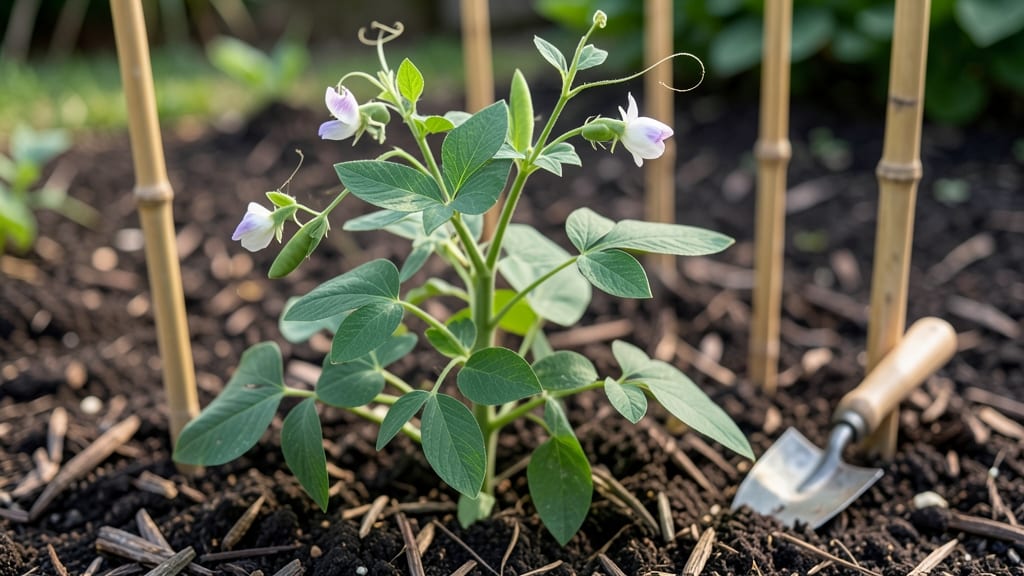
To plant garden peas at the perfect time means catching that narrow window between frost and heat, when the soil is cool but workable and the air stays crisp.
Garden peas thrive in cool weather, but planting them too early or late can mean the difference between a bountiful harvest and wasted effort. Timing is everything—especially when working with cold-soil crops like peas—and mastering the right schedule ensures strong germination and vigorous growth.
In Zone 6a, where spring arrives gradually, aim for early March to mid-April, when soil temperatures hover around 45°F. That’s the sweet spot for 🌱 peas to sprout without risking bolting in warmer conditions.
Below, I’ll break down the exact planting windows for your region, soil prep secrets to speed up germination, and how to extend your harvest with smart succession planting.
Optimal planting times for garden peas by USDA hardiness Zones
Garden peas are cool-season champions that thrive when temperatures dip below 70°F—but timing your planting right depends entirely on your USDA hardiness zone. In colder regions like Zones 3-4, you can start as early as late winter, while warmer zones like 9-10 demand a fall planting strategy.
The key? Soil temperatures between 40-50°F and avoiding heat stress that stunts germination.
Peas are frost-tolerant, meaning they can handle light freezes (25-30°F) once established, but their seeds need consistent moisture and warmth to sprout. Planting too early in cold, wet soil leads to rot, while waiting too long risks bolting (premature flowering) in warmer zones.
Let’s break down the best windows for each zone to maximize your harvest.
🌱
In Zones 3-4, where winters are harsh, I recommend starting peas indoors 6-8 weeks before your last frost date. This gives you a head start on the 4-6 week germination window needed for a spring harvest.
For example, if your last frost is May 15, aim to plant outdoors by April 15 when soil warms to 45°F. A bonus tip: In these zones, you can also sow a late summer crop (August-September) for a fall harvest before hard frosts hit.
For Zones 5-6, the sweet spot is early April, but I’ve had success with a succession planting trick: Sow seeds every 2 weeks until mid-May to stretch your harvest. The key here is monitoring soil temps—wait until the ground reaches 45°F consistently.
If you’re in doubt, stick a soil thermometer 2 inches deep; peas won’t germinate well below 40°F. Pro tip: Use black plastic mulch to warm cold soil faster.
Gardeners in Zones 7-8 should skip spring planting entirely—peas bolt (go to seed) when temps exceed 75°F. Instead, focus on a fall planting from late August to early October. Choose heat-tolerant varieties like ‘Oregon Sugar Pod’ or ‘Wando’ for better success.
Plant in partial shade if possible, and water deeply to keep soil cool. A light row cover can protect young plants from late-season heat spikes.
In Zones 9-10, where winters are mild, peas thrive in fall but struggle in spring. Plant from September to November, aiming for harvests before December frosts. If you’re eager for a spring crop, try high-altitude microclimates or shaded areas to delay heat stress.
Varieties like ‘Tom Thumb’ (dwarf) handle warm conditions better than standard types. Remember: In these zones, soil never truly "cools down"—focus on timing seeds to align with natural temperature drops.
Regardless of your zone, always soak pea seeds overnight before planting to speed germination. And if you’re unsure about frost dates, check your local cooperative extension service for precise timelines. With the right schedule, you’ll enjoy sweet, tender peas for weeks—no guesswork needed!
☀️
Signs your soil is ready for pea planting (and what to do if it’s not)
Knowing when your soil is ready for garden peas can save you from wasted seeds and stunted growth. These cool-season crops need 45-50°F soil temperatures to germinate properly, but checking more than just temperature is key.
I’ll show you how to assess your soil’s readiness and what to do if conditions aren’t quite right yet.
First, check the moisture level—pea seeds need consistently damp soil to sprout. Stick your finger about an inch deep; if it feels dry, water thoroughly before planting. Cold, soggy soil can also delay germination, so aim for well-drained but moist conditions.
A simple soil temperature gauge (or even a thermometer) will tell you if your soil is in the ideal range.
Garden peas planted in cold, wet soil below 40°F risk rot or poor germination. If your soil isn’t warm enough, use row covers or wait 2-3 weeks. For Zone 3-5, late winter plantings under protection can work, but monitor for frost damage.
Next, test the soil temperature at a depth of 2-3 inches. If it’s below 45°F, your peas may struggle to break through the soil. A simple trick: press a handful of soil in your palm—if it feels cool but not icy, it’s likely ready.
For faster warming, till in compost or aged manure a week before planting to raise soil temps naturally.
If your soil is too cold to plant now, don’t despair. Cold frames or low tunnels can warm the soil by 5-10°F, creating a microclimate perfect for peas. Even a simple black plastic mulch laid a few days before planting can help.
Just remove it once seeds sprout to prevent overheating. This trick works especially well in northern climates where spring arrives slowly.
Finally, consider your last frost date. Peas tolerate light frosts, but planting 4-6 weeks before the average last frost gives them time to mature. In Zone 7-10, you can also try a fall planting for a winter harvest—just ensure soil temps stay above 40°F during germination.
A quick frost calendar check (or local extension service) will guide your timing.
With these checks, you’ll know exactly when your soil is ready for peas—or how to prep it if it’s not quite there yet. The right conditions mean the difference between healthy seedlings and failed sprouts. Happy planting! 🌱